In the modern global trading architecture, Full Container Load (FCL) shipping solutions form the backbone of industrial supply chains. Choosing a China wholesale FCL shipping solutions supplier is not merely a transactional procurement decision; it is a long-term strategic alignment. Industrial cargo, commercial machinery, raw chemicals, and consumer retail sectors rely heavily on consistent freight flows, rate predictability, and route optimization. As carrier alliances shift and global port congestion threatens timelines, professional freight forwarding companies integrate multiple container capacities (20GP, 40GP, 40HQ, 45HQ, and special reefers/flat racks) directly with prime ocean vessel booking networks to bypass supply chain choke points.
Strategic logistics management requires a deep understanding of ocean routes, port infrastructure limits, and documentation practices. FCL transport offers significant security and economic advantages for high-volume traders. Unlike Less than Container Load (LCL), FCL shipments bypass continuous consolidation handling, minimizing transit friction, reduce customs delays, and lower damage risks. However, utilizing these advantages demands systematic coordination: matching factory production schedules with vessel departures, securing container space during peak seasons, and streamlining import/export declarations.
"Optimizing your global supply chain requires more than booking space. It demands deep visibility into carrier routing, intermodal transshipment pathways, local port tariffs, and dynamic customs clearance frameworks."
Shenzhen Leoti Logistics Co., Ltd. coordinates these logistical components. By linking key manufacturing clusters across China with major ocean terminals like Shenzhen, Guangzhou, Shanghai, Ningbo, Xiamen, and Qingdao, we offer structured FCL routes. Our services help overseas importers manage volume surges and keep their supply chains resilient and agile.
We leverage directly negotiated contract rates with Ocean Alliance, 2M, and THE Alliance to ensure reliable space allocations and premium port rotations globally.
Deploying standard dry vans (20GP, 40GP, 40HC) alongside customized open tops, flat racks, and ISO tank configurations to fit your exact cargo footprint.
Complete regulatory risk mitigation, handling all foreign import customs clearances, inland transport, and final delivery logistics securely.
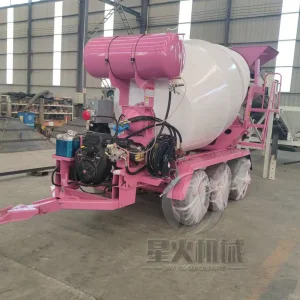
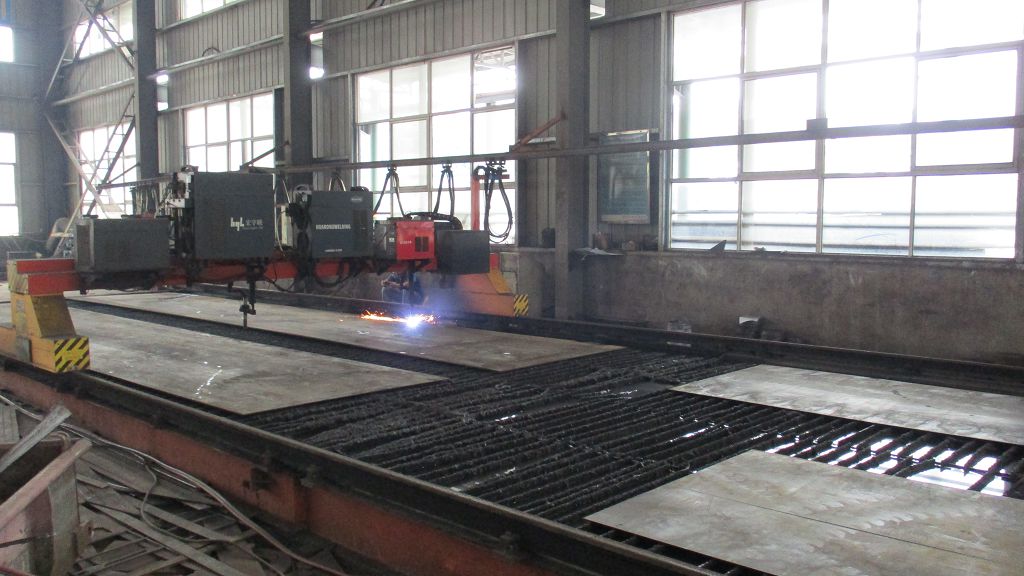
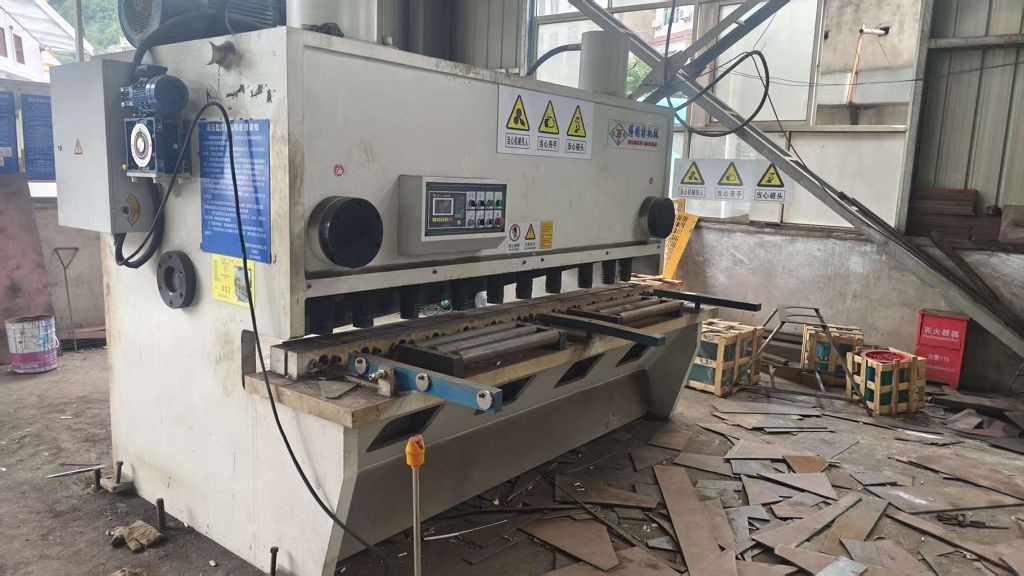
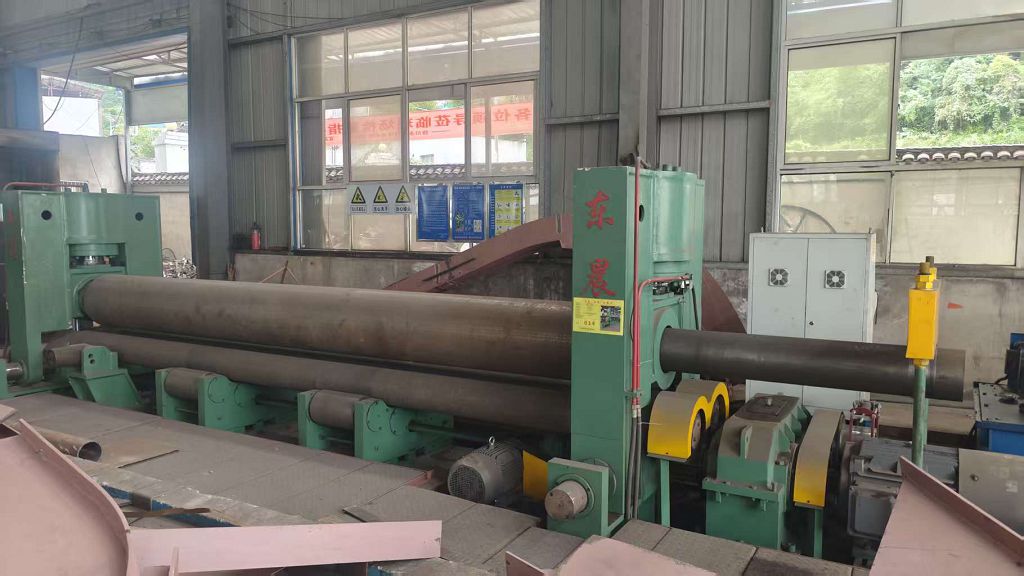
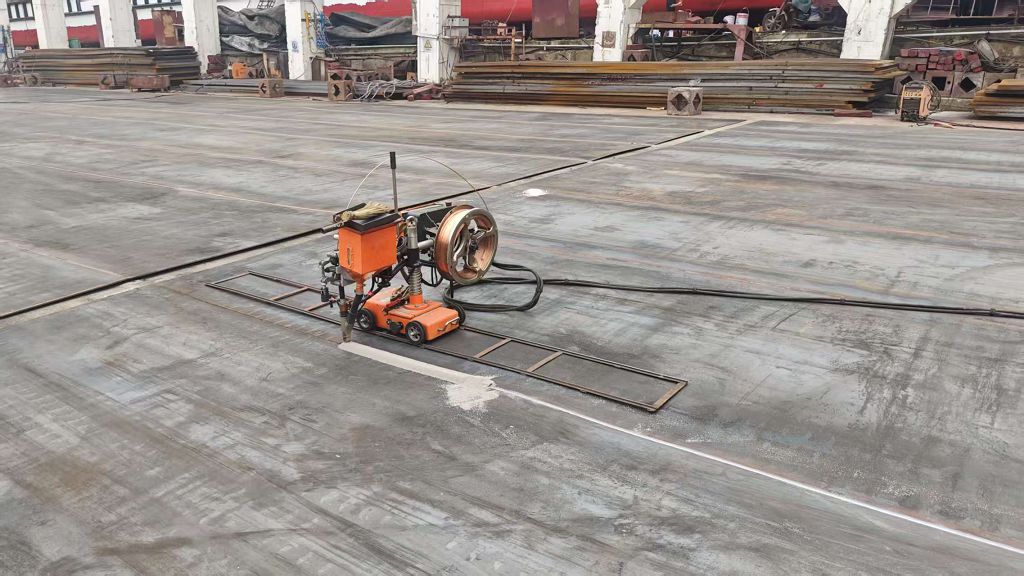
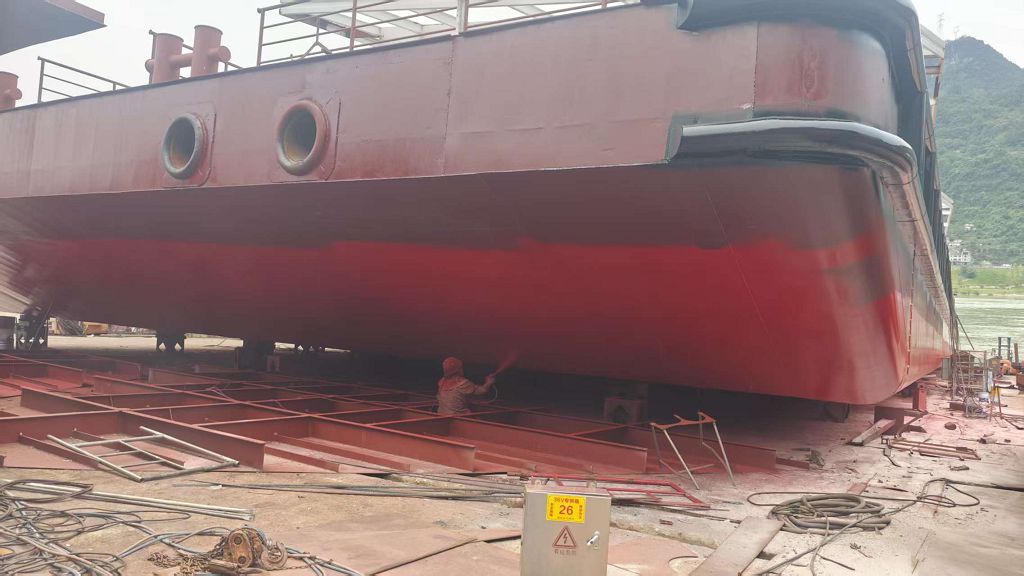
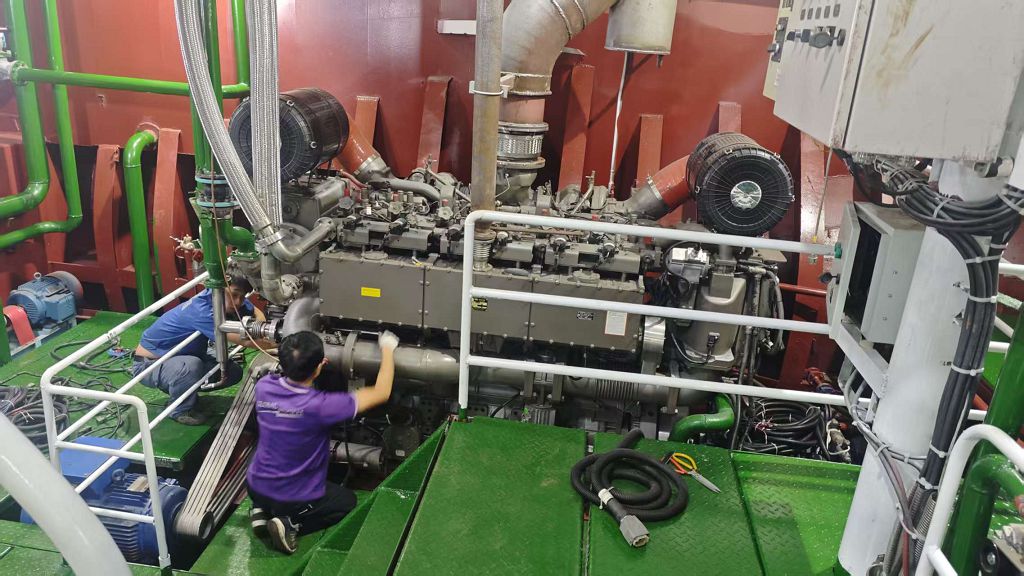
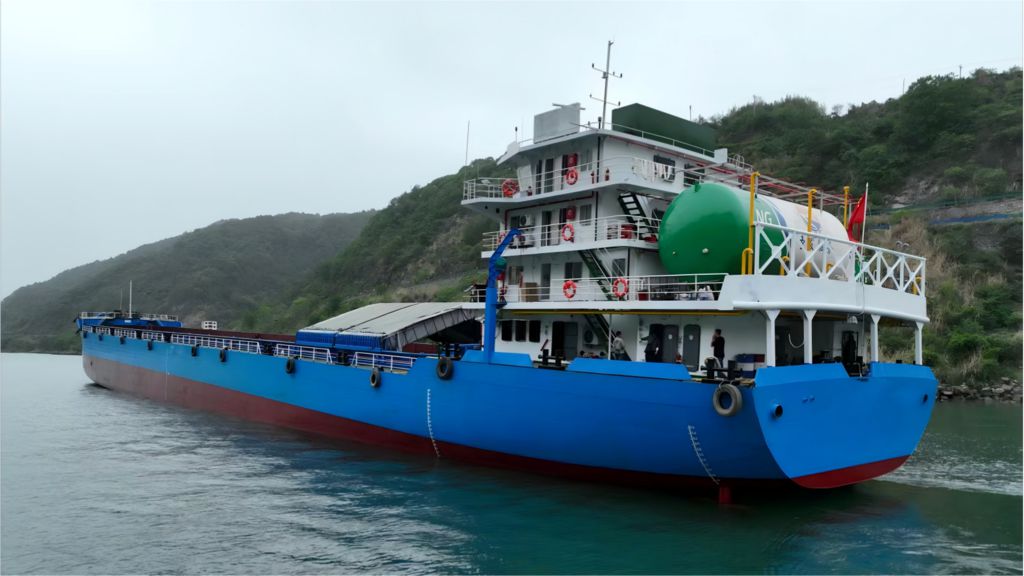
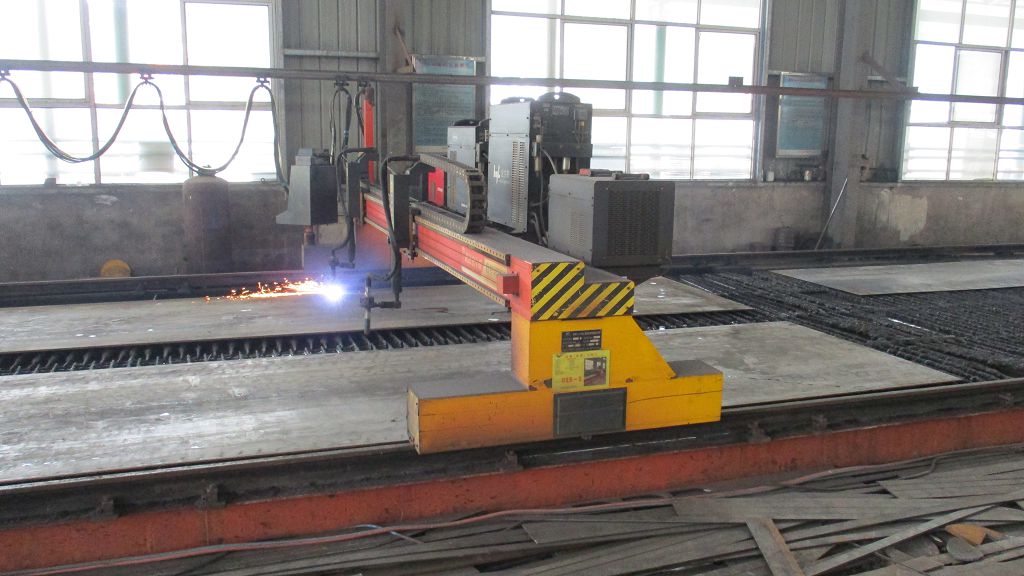
Modern global logistics is closely linked to heavy manufacturing and precision fabrication. Industrial cargo, such as concrete mixer trucks and heavy steel machinery, relies on seamless transitions from the factory floor to specialized ocean transport. Efficient FCL supply chains must align with various industrial processes: raw material preparation (shearing and rolling), high-precision laser cutting, automated welding, surface treatment (painting), and final product assembly. Efficient shipping agents handle containerized shipments alongside heavy, over-dimensional (OOG) machinery, ensuring specialized goods reach international markets safely and on time.
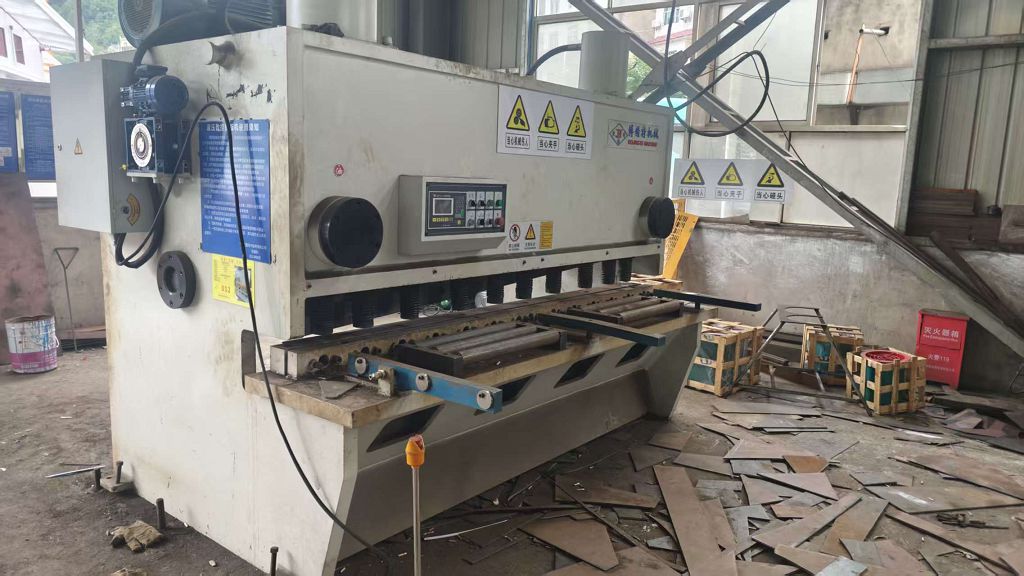
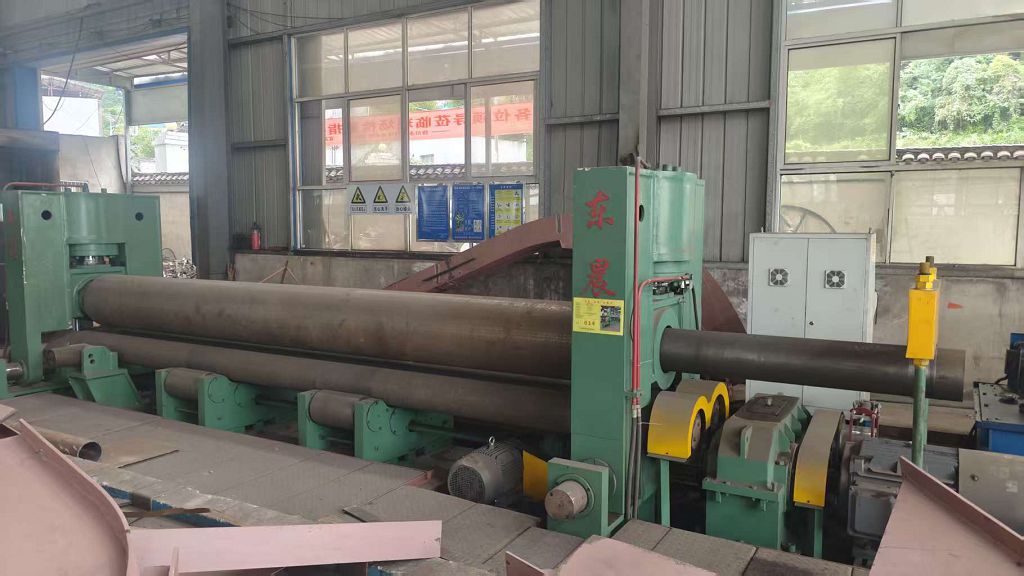
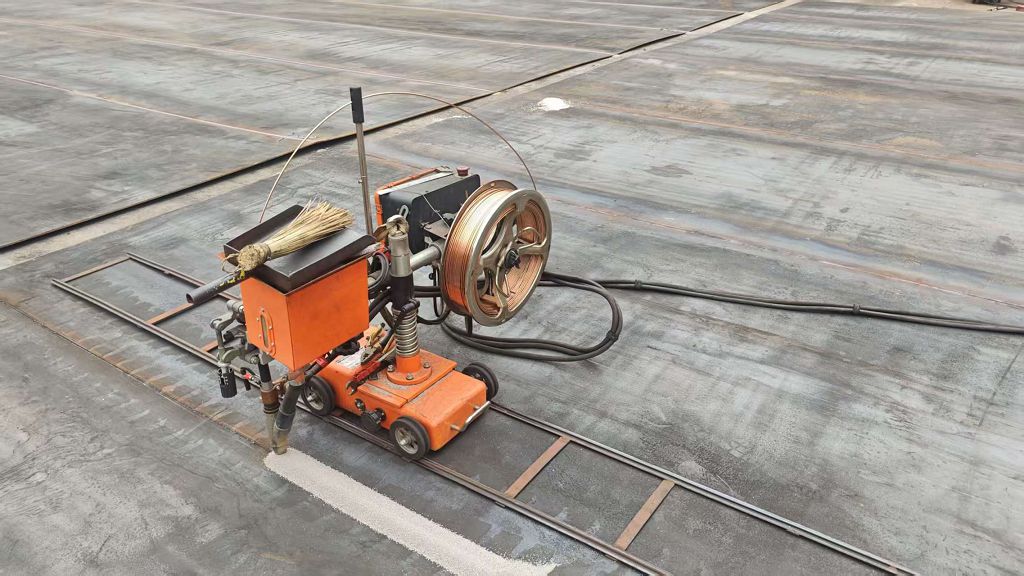
Shenzhen Leoti Logistics Co., Ltd. is a modern international logistics company dedicated to providing comprehensive and efficient global freight solutions. The company primarily specializes in import and export freight forwarding, including air freight, ocean shipping, international express delivery, rail transport, and road transportation services.
In addition to core transportation services, Leoti Logistics offers a full range of one-stop logistics solutions, such as customs clearance, warehousing, cargo consolidation, trailer transportation, and trade agency services. Our goal is to simplify global trade for our clients by providing seamless end-to-end logistics support.
As a trusted booking agent for multiple leading shipping lines and airlines, the company is able to secure competitive cargo space in major global port cities, including Shenzhen, Guangzhou, Shanghai, Ningbo, Xiamen, Qingdao, Tianjin, Dalian, Beijing, and Lianyungang. Through strong partnerships with local warehouses, trucking fleets, and customs brokers, Leoti ensures smooth and efficient operations at every major port.
Over the years, Shenzhen Leoti Logistics has actively expanded its overseas logistics network. Today, we cooperate with more than 200 global agents covering Europe, North America, South America, Africa, Oceania, Central Asia, and Southeast Asia. This extensive network allows us to provide reliable international air freight, sea freight, express delivery, customs clearance, and last-mile delivery services worldwide.
Our overseas operations team maintains 24/7 real-time communication with international partners, ensuring timely coordination and secure handling of all shipments. This continuous communication helps guarantee cargo safety, operational efficiency, and customer satisfaction.
Leoti Logistics is proud of its strong core advantages. Our experienced and highly professional logistics team is well-versed in international shipping procedures and has in-depth knowledge of customs regulations and trade policies across different countries. This expertise enables us to design precise logistics solutions, effectively reduce operational risks, and optimize costs for our clients.
Supported by an advanced logistics information system, we provide real-time tracking throughout the entire transportation process. Customers can monitor their shipments at any time with full transparency and confidence.
At Shenzhen Leoti Logistics, we always adhere to a customer-first service philosophy. From order placement to final delivery, we offer personalized, one-on-one service to ensure that every client’s needs are responded to quickly and handled professionally.
Looking ahead, Shenzhen Leoti Logistics Co., Ltd. will continue to expand its global presence, enhance service quality, and strengthen its integrated logistics capabilities. Our vision is to become a leading international logistics enterprise and contribute to the growth and efficiency of global trade.
Global Partner Agents
Major Chinese Port Hubs
Real-Time Operations
Customs Compliance
The Transpacific corridor is the largest shipping route in the world, characterized by seasonal volume peaks and complex regulatory requirements. Importers shipping FCL to US ports (LA/LB, Seattle, New York, Savannah) must coordinate with US Customs and Border Protection (CBP). Navigating the FMC (Federal Maritime Commission) regulations, filing ISF (Importer Security Filing) 10+2 documents on time, and securing ocean container space during peak seasons are critical steps. We offer integrated DDP and LDP door-to-door options, helping shippers manage peak-season surges and clearance challenges at the border.
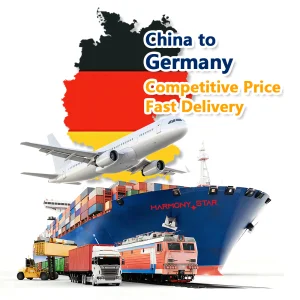
FCL shipping to Europe requires compliance with EU customs regulations, including the Import Control System 2 (ICS2) and EORI number setups. Our door-to-door DDP services to Germany, Norway (Oslo, Drammen, Bergen), and Bulgaria balance transit speed with cost. Depending on budget and timeline, cargo can move via Suez Canal maritime routes, overland rail, or air-sea transshipment links. This helps businesses maintain consistent inventory levels across European distribution hubs.
Dynamic trade lanes like the Middle East (Saudi Arabia, UAE), Latin America (Caribbean, East Coast South America), and Africa (Egypt, Somalia) require specialized local expertise. Importing into Saudi Arabia, for example, demands compliance with the SABER system and SASO certificates. In Egypt, handling project cargo at ports like Alexandria and Port Said requires local customs experience. We coordinate booking agents, customs representatives, and regional trucking lines to ensure smooth transshipment and final delivery.
FCL logistics involves managing detailed international standards and compliance protocols. The International Maritime Organization's (IMO) VGM (Verified Gross Mass) regulations under the SOLAS convention require every container to be weighed before loading to protect crew and vessel safety. Incorrect cargo weight declaration can lead to cargo holds, custom fines, or refusal of loading at Chinese base ports.
Our operational checklist covers the full cycle of FCL compliance:
By using structured cargo tracking and keeping documentation complete and accessible, we prevent port demurrage and container detention. This ensures shipping operations run smoothly and predictably.
The global logistics industry is digitalizing rapidly. Our technology roadmap focuses on real-time data integration, cargo visibility, and carbon tracking. By embedding IoT sensors inside FCL containers, we can track temperature, humidity, and shock impacts in transit. This is particularly valuable for high-tech components, pharmaceutical shipments, and heavy precision machinery.
We are also adapting to new global environmental regulations, such as the International Maritime Organization's Carbon Intensity Indicator (CII) and the EU's Emissions Trading System (ETS). By analyzing routes and vessel efficiencies, we help importers optimize carbon emissions per TEU, preparing their supply chains for future ESG compliance requirements.
FOB (Free on Board) transfers cargo risk to the buyer once the container is loaded onto the vessel at the Chinese port. CIF (Cost, Insurance, and Freight) requires the seller to cover freight and marine insurance to the destination port. DDP (Delivered Duty Paid) offers the highest level of service, where the shipping agent handles all logistics, customs clearances, import duties, and inland trucking, delivering the cargo directly to the buyer's warehouse.
Demurrage (port storage fees) and detention (container rental fees outside the port) can be minimized by securing extended free time (typically 7 to 14 days) during booking negotiations. Preparing import documentation like customs declarations, commercial invoices, packing lists, and the Bill of Lading well before the vessel arrives also speeds up delivery and helps avoid delays.
VGM is a global safety regulation under the SOLAS convention. It requires shippers to provide the certified weight of a packed container (cargo plus container tare weight) before loading. The container will not be loaded onto the vessel if the VGM document is missing or incorrect, which can cause significant delays and port penalties.
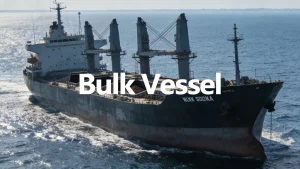
Heavy machinery and out-of-gauge (OOG) equipment that do not fit inside standard dry vans are shipped using special equipment, such as flat racks, open tops, or breakbulk charter vessels. These shipments require specialized lashing, securing, and crane operations at both the loading and discharge ports.
 Leoti Logistics