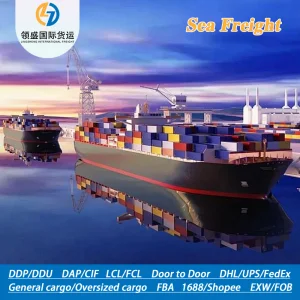
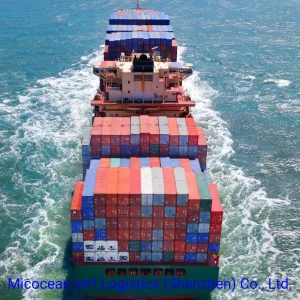
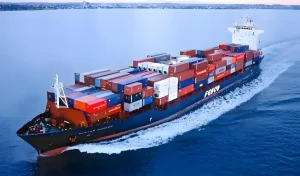
Explore our targeted port-to-port ocean solutions designed to connect industrial hubs with global distribution terminals.
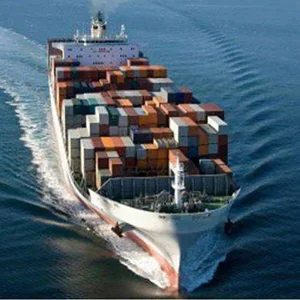
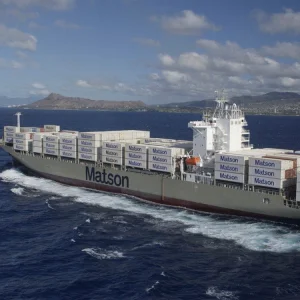
In the matrix of international trade, Port-to-Port Ocean Shipping serves as the backbone of large-scale supply chains. Unlike multi-modal or door-to-door configurations, port-to-port maritime freight represents the purest form of ocean carriage, transferring containerized or bulk cargo directly from the origin seaport to the destination seaport. This methodology optimizes transport costs for companies possessing mature inland logistics structures, offering a lean, highly transparent baseline shipping mechanism.
For global procurement directors and industrial manufacturers, leveraging Port-to-Port ocean shipping requires deep coordination between three core pillars: ocean carrier booking authorization, port-side container consolidation (for Less-Than-Container-Load / LCL shipments), and localized export custom compliance. Shenzhen Leoti Logistics Co., Ltd. serves as an expert catalyst in this domain, connecting domestic industrial output with foreign trade gateways.
Determining whether to utilize Full Container Load (FCL) or Less-Than-Container-Load (LCL) shipping involves calculating volumetric yield against port tariffs. FCL provides exclusive rights to a 20-foot, 40-foot, or 40-foot High-Cube (HQ) ocean container, mitigating cargo handling risks and reducing per-unit freight costs for high-volume orders. LCL consolidates smaller shipments into shared containers, requiring meticulous cataloging and manifest creation at the origin warehouse—such as Leoti's Guangzhou or Shenzhen consolidation centers—to avoid customs hold-ups at international terminals like Port Louis or Norfolk.
The operational efficiency of Chinese manufacturing is inherently linked to its hyper-integrated port infrastructure.
Factories throughout Guangdong, Zhejiang, and Jiangsu are seamlessly linked via high-capacity highway networks to deep-water ports like Shenzhen Yantian, Ningbo-Zhoushan, and Shanghai Yangshan, slashing local drayage transit windows.
China's maritime export zones house high-capacity consolidation warehouses that permit cross-docking, quality assurance inspections, packaging optimization, and container optimization under strict trade control structures.
Through modernized customs systems like China's Single Window System, logistics actors secure rapid clearance, meaning cargo is processed and manifested for vessel loading with minimal detention risks.
Shenzhen Leoti Logistics Co., Ltd. is a modern international logistics company dedicated to providing comprehensive and efficient global freight solutions. The company primarily specializes in import and export freight forwarding, including air freight, ocean shipping, international express delivery, rail transport, and road transportation services.
In addition to core transportation services, Leoti Logistics offers a full range of one-stop logistics solutions, such as customs clearance, warehousing, cargo consolidation, trailer transportation, and trade agency services. Our goal is to simplify global trade for our clients by providing seamless end-to-end logistics support.
As a trusted booking agent for multiple leading shipping lines and airlines, the company is able to secure competitive cargo space in major global port cities, including Shenzhen, Guangzhou, Shanghai, Ningbo, Xiamen, Qingdao, Tianjin, Dalian, Beijing, and Lianyungang. Through strong partnerships with local warehouses, trucking fleets, and customs brokers, Leoti ensures smooth and efficient operations at every major port.
Over the years, Shenzhen Leoti Logistics has actively expanded its overseas logistics network. Today, we cooperate with more than 200 global agents covering Europe, North America, South America, Africa, Oceania, Central Asia, and Southeast Asia. This extensive network allows us to provide reliable international air freight, sea freight, express delivery, customs clearance, and last-mile delivery services worldwide.
Our overseas operations team maintains 24/7 real-time communication with international partners, ensuring timely coordination and secure handling of all shipments. This continuous communication helps guarantee cargo safety, operational efficiency, and customer satisfaction.
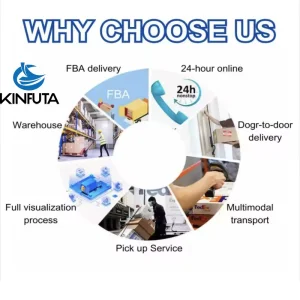
Leoti Logistics is proud of its strong core advantages. Our experienced and highly professional logistics team is well-versed in international shipping procedures and has in-depth knowledge of customs regulations and trade policies across different countries. This expertise enables us to design precise logistics solutions, effectively reduce operational risks, and optimize costs for our clients. Supported by an advanced logistics information system, we provide real-time tracking throughout the entire transportation process. Customers can monitor their shipments at any time with full transparency and confidence. At Shenzhen Leoti Logistics, we always adhere to a customer-first service philosophy. From order placement to final delivery, we offer personalized, one-on-one service to ensure that every client’s needs are responded to quickly and handled professionally. Looking ahead, Shenzhen Leoti Logistics Co., Ltd. will continue to expand its global presence, enhance service quality, and strengthen its integrated logistics capabilities. Our vision is to become a leading international logistics enterprise and contribute to the growth and efficiency of global trade.
Behind global trade flows lies industrial hardware fabrication. Our integrated services bridge the gap between heavy machinery manufacturing and international marine transport.
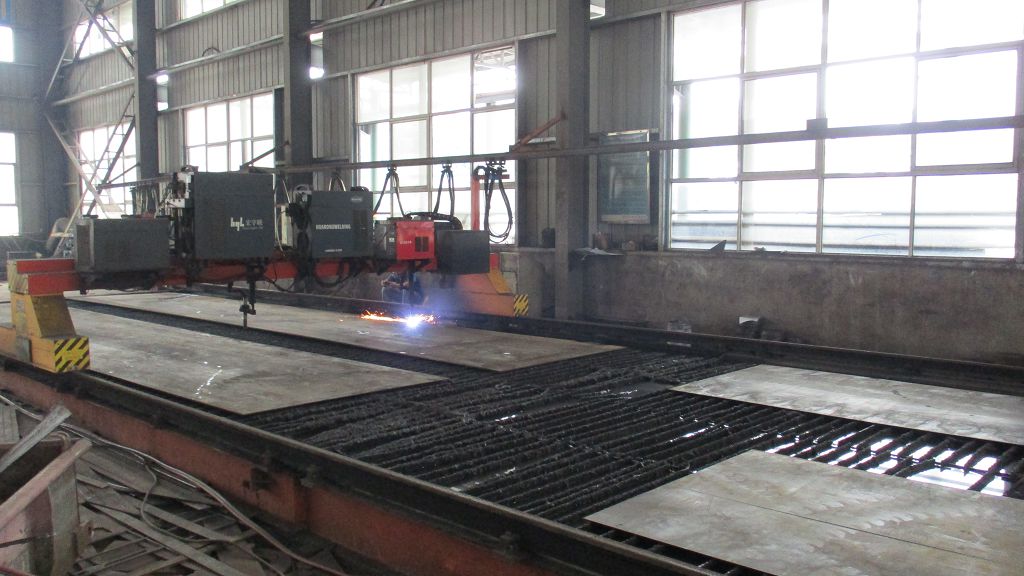
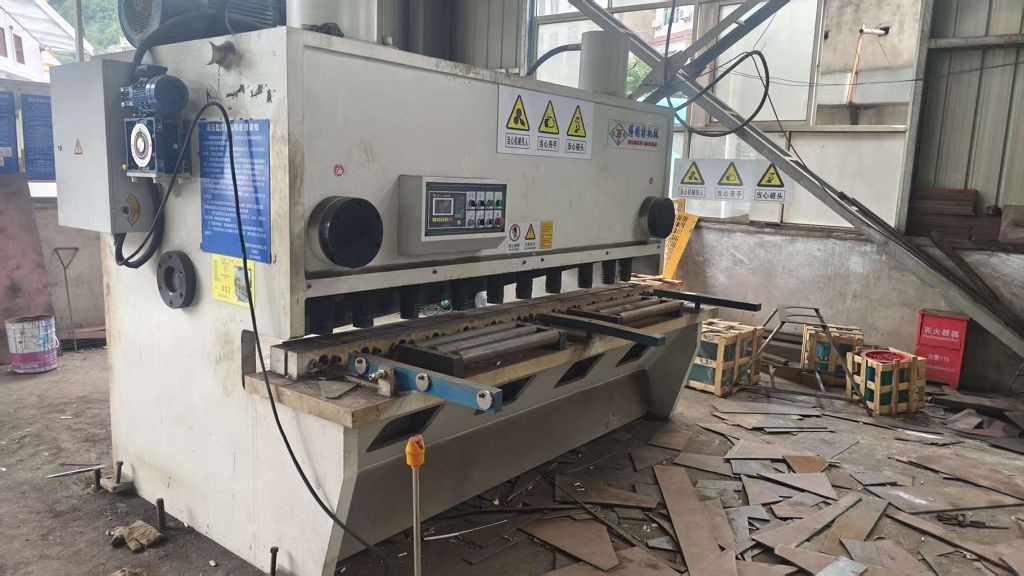
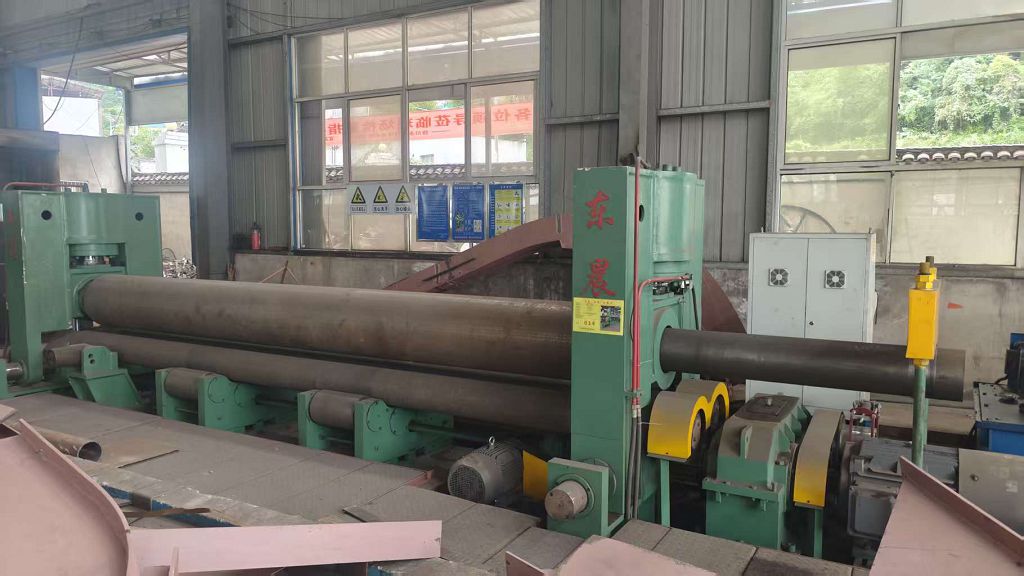
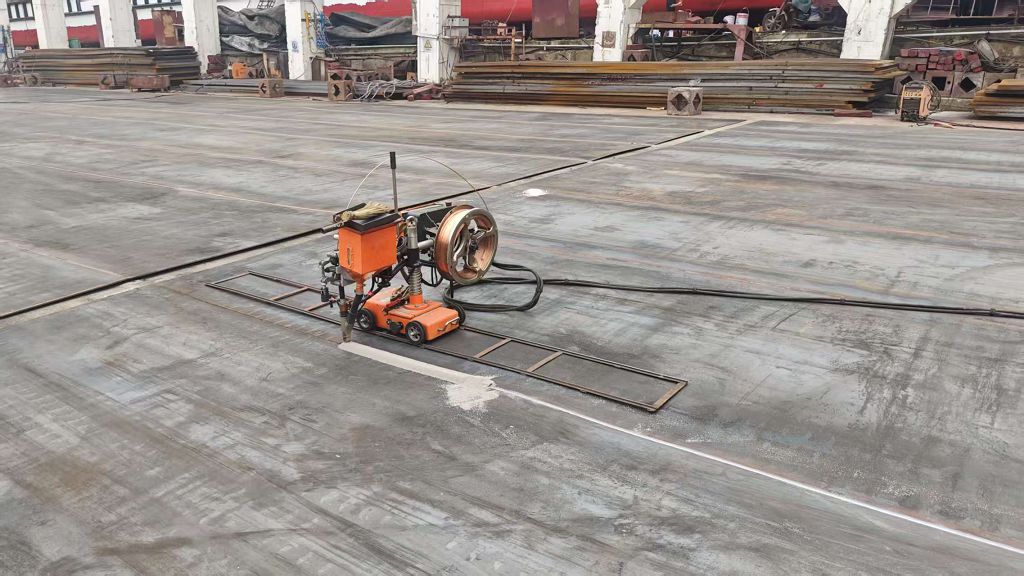
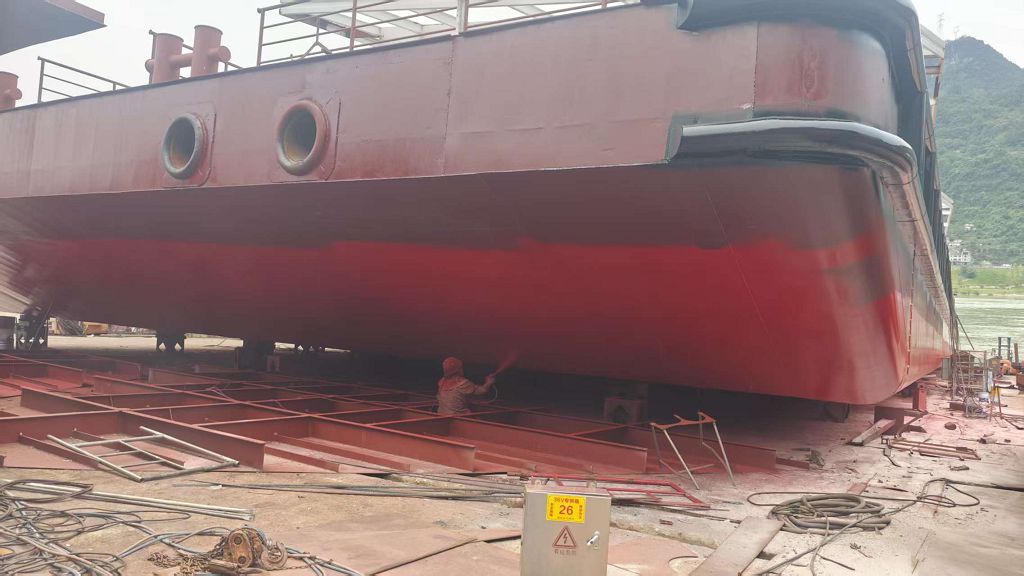
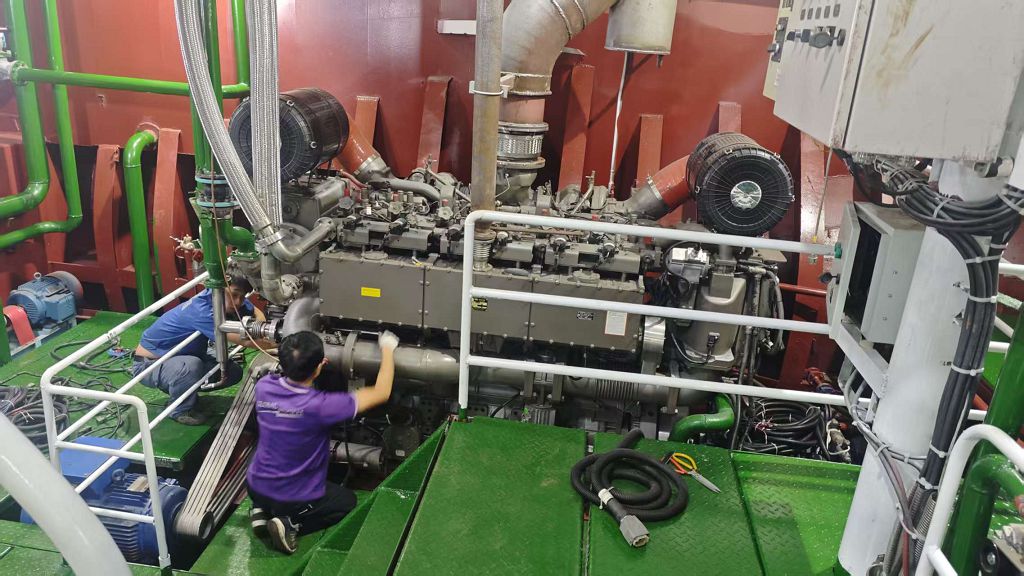
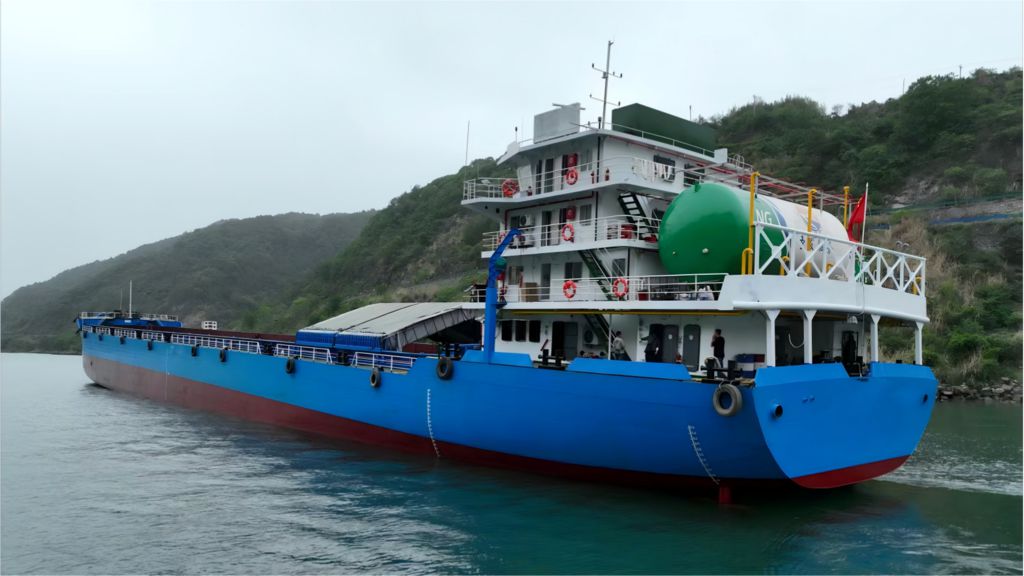
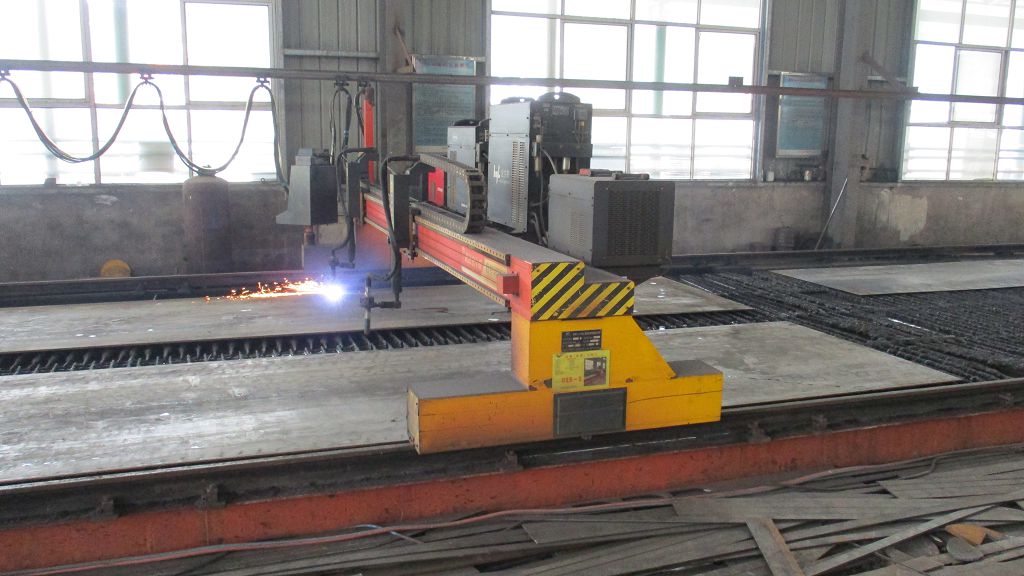
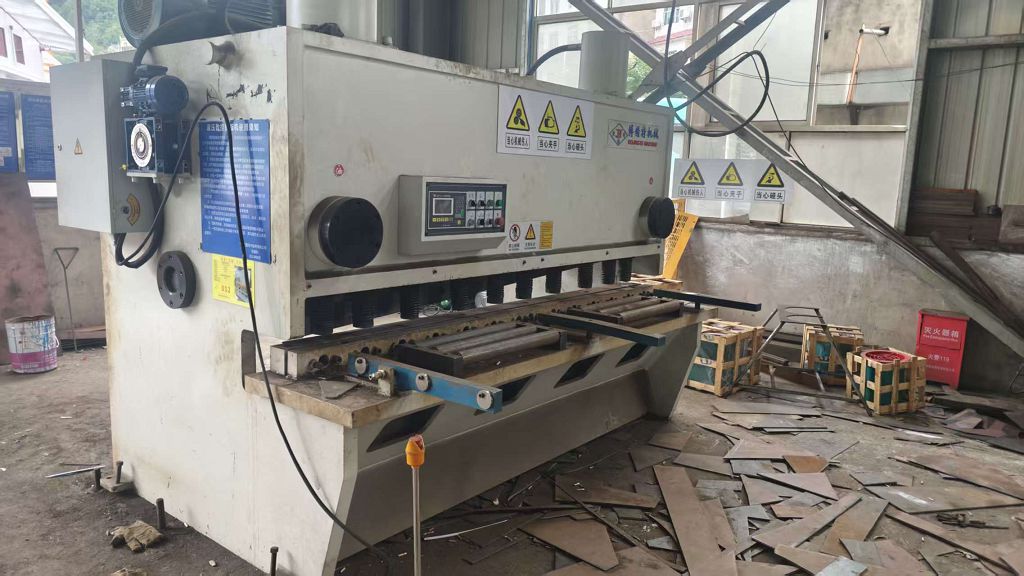
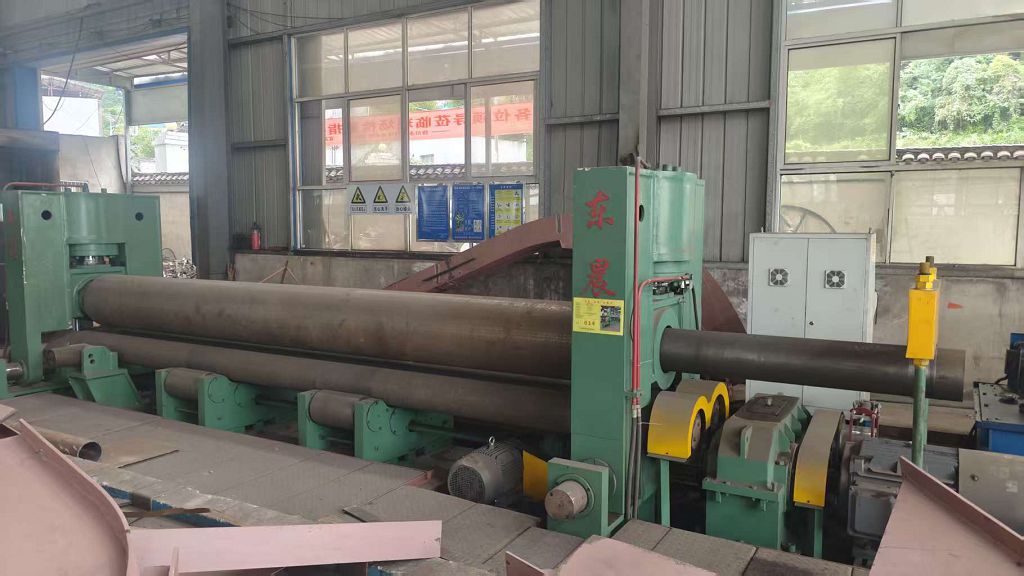
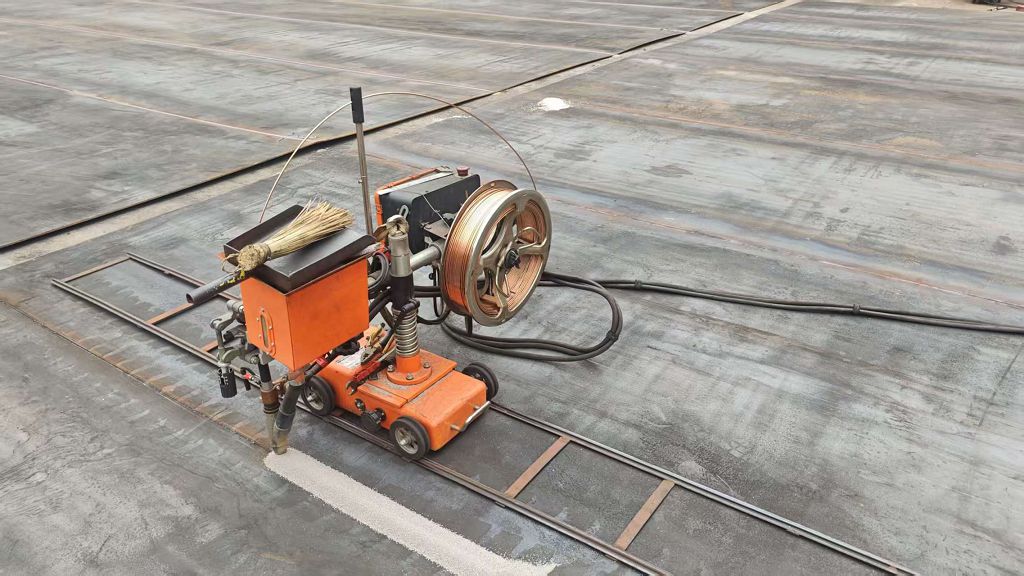
Heavy machinery such as Laser Cutting Machines, Shearing Machines, Rolling Machines, and Automatic Welding Machines present complex transport logistics challenges. Due to their dimensions, specialized structural weight, and sensitive high-tolerance components, standard general-purpose containers may not suffice. Our team matches manufacturing outputs with dedicated shipping assets: flat-racks, open-top containers, and heavy-lift breakbulk options to guarantee safe handling from the assembly floor to destination ports.
By coordinating the manufacturing phases—from shearing raw metal plate to final painting, assembly, and anti-corrosive vacuum packaging—with maritime schedules, we eliminate demurrage. We ensure that industrial heavy cargo moves from production bay directly to the vessel hold without delayed storage periods, streamlining the supply chain.
Shipping from manufacturing hubs like Shanghai to critical East Coast terminals like Norfolk demands strategic routing. Norfolk Port, handling heavy containerized traffic, serves as a gateway to North American industrial centers. Balancing maritime transit with inland rail links requires experienced customs processing to navigate Federal Maritime Commission (FMC) and Customs Border Protection (CBP) regulations. Leoti Logistics provides optimized cargo flows to manage seasonal cargo surges and port congestion.
Maritime transport to developing trade hubs, including Mauritius (Port Louis), Djibouti, and Port Sudan, demands comprehensive route mapping. Port Louis serves as an Indian Ocean hub, requiring structured FCL/LCL sorting at Chinese consolidation centers like Guangzhou or Yantian. In the Red Sea corridor, coordinating shipping to Djibouti and Port Sudan serves as a gateway to East Africa. Our dedicated documentation services ensure smooth customs transit through complex tariff areas.
Operating container links to Europe's northern hubs (Oslo, Drammen, Kristiansand, Bergen in Norway; Le Havre in France; Lisbon and Leixoes in Portugal) involves meeting strict environmental regulations. Under the European Green Deal and IMO carbon intensity metrics, shipping lines face tightening emissions standards. Leoti Logistics works with carriers prioritizing modern, fuel-efficient container fleets, offering global buyers transparent carbon footprint tracking and reliable port-to-port arrivals.
International procurement is moving beyond simple cost calculations. Global buyers now prioritize resilience, agility, and visibility. Managing port-to-port logistics requires mitigating risks such as blank sailings, labor disruptions, and shifting energy costs. Leading logistics teams use data-driven systems to predict container availability, track shipping delays, and optimize route choices.
Key developments shaping the future of global maritime logistics include:
Get professional insights from our trade compliance and maritime transport engineering team.
Explore additional trade routes and specialized logistics services to expand your international distribution network.
 Leoti Logistics