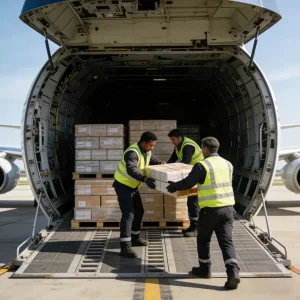
High-priority air cargo solutions departing from China's primary manufacturing hubs and main airports, designed for maximum reliability and expedited custom clearances.
Exploring the macro-economic drivers, technological progress, and logistical structures of high-velocity airport networks.
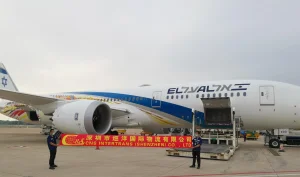
In modern industrial commerce, the velocity of the supply chain is no longer just a metric; it is a profound competitive advantage. As manufacturers shift toward just-in-time (JIT) production and agile assembly paradigms, Airport-to-Airport Air Freight has evolved into the definitive lifeline for high-value, time-critical global trade. By utilizing direct airport-to-airport routes, enterprises avoid the delays typical of multi-modal transfers, port congestion, and complex land operations. Instead, cargo is transferred securely from one international airport customs zone directly to another, utilizing either dedicated cargo freighters (CA) or passenger belly space (PA).
Globally, the inter-connectivity of international airport hubs forms the structural backbone of air freight forwarding. Modern logistics platforms rely on large hub airports—such as Shanghai Pudong (PVG), Shenzhen Bao'an (SZX), Hong Kong (HKG), Frankfurt (FRA), Los Angeles (LAX), and Amsterdam Schiphol (AMS)—to act as regional consolidation and distribution centers. This node-based architecture enables high-frequency, reliable routing schedules, giving manufacturers the confidence to meet tight client SLAs and maintain continuous production lines across oceans.
Compared to door-to-door shipping, airport-to-airport delivery offers unmatched cost efficiency and operational flexibility for sophisticated supply chains. By managing local warehousing and import customs through preferred domestic brokers, purchasing companies gain full control over their shipping processes. This approach is highly effective in avoiding hidden logistical markups, optimizing import tax declarations, and securing reliable transit times during peak seasons when shipping space is limited.
How Chinese infrastructure, technology, and regional integration optimize international air freight lanes.
Chinese air logistics hubs are integrated with automated storage and retrieval systems (ASRS), cutting airport handling times in half compared to traditional facilities.
Advanced digital customs portals allow for pre-clearance while cargo is in transit, minimizing dwell times and enabling rapid flight connection windows.
Our cross-border infrastructure links factories in Shenzhen, Shanghai, Guangzhou, and Ningbo, enabling efficient cargo aggregation for cost-effective bulk shipping rates.
The concentration of raw materials, parts manufacturers, and specialized factories in regions like the Greater Bay Area (GBA) and the Yangtze River Delta creates an exceptionally efficient production network. When combined with air cargo services, it allows components manufactured in Dongguan or Suzhou to be delivered to airports in Frankfurt, Singapore, or Los Angeles in just a few days. This unmatched speed is supported by continuous highway links and dedicated custom channels that bridge the gap between factory floors and airport runways.
Ensuring cargo integrity from raw material fabrication stages through to international airport delivery.
Precision manufacturing and high-capacity logistics go hand in hand. Shenzhen Leoti Logistics Co., Ltd. coordinates closely with industrial fabrication partners to manage the transportation of large machinery, structural steel components, and advanced electronic hardware. Below are the key manufacturing stages and facilities we support, ensuring specialized packaging, precise handling, and custom secure loading configurations for heavy-lift air cargo shipments:
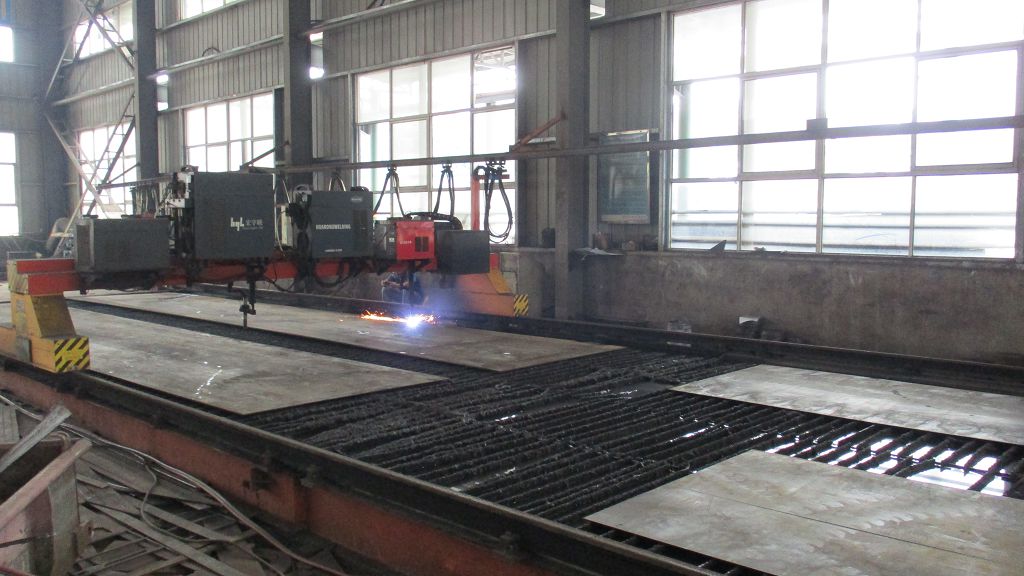
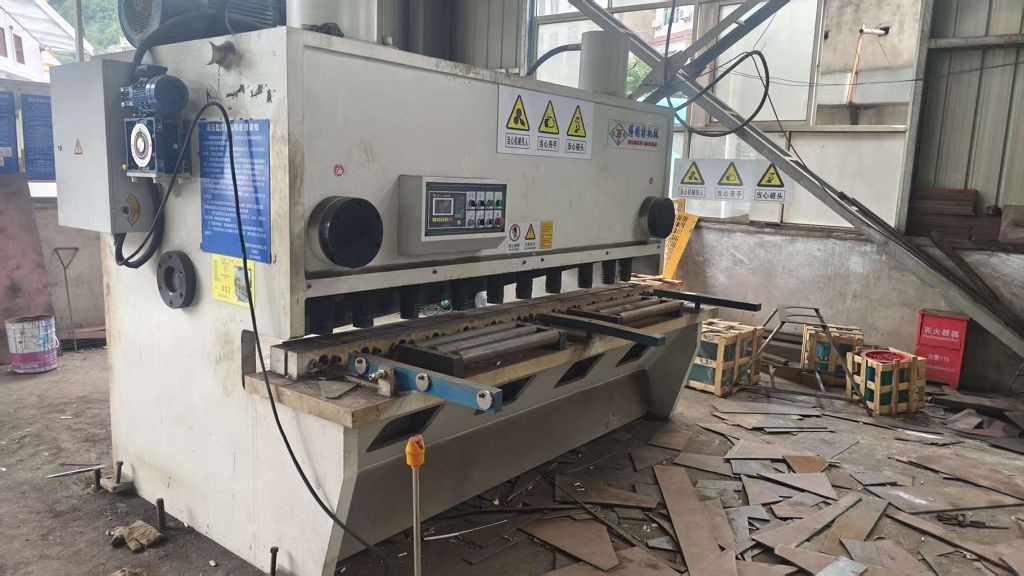
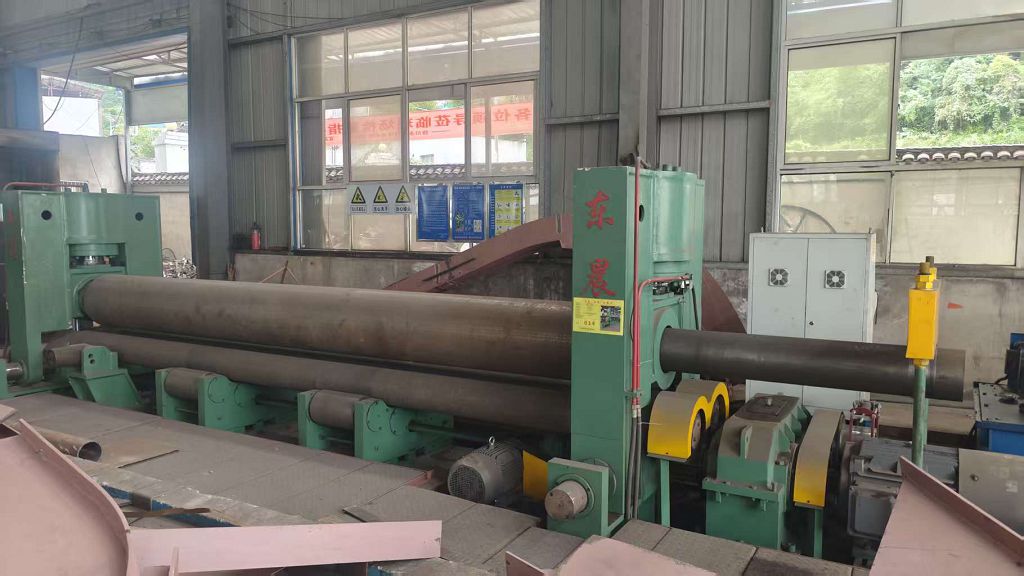
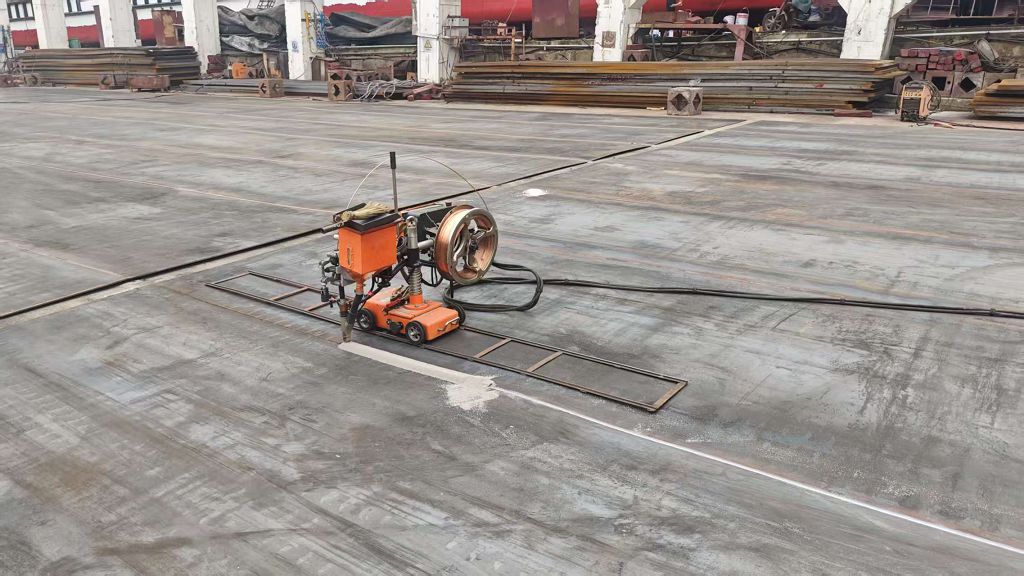
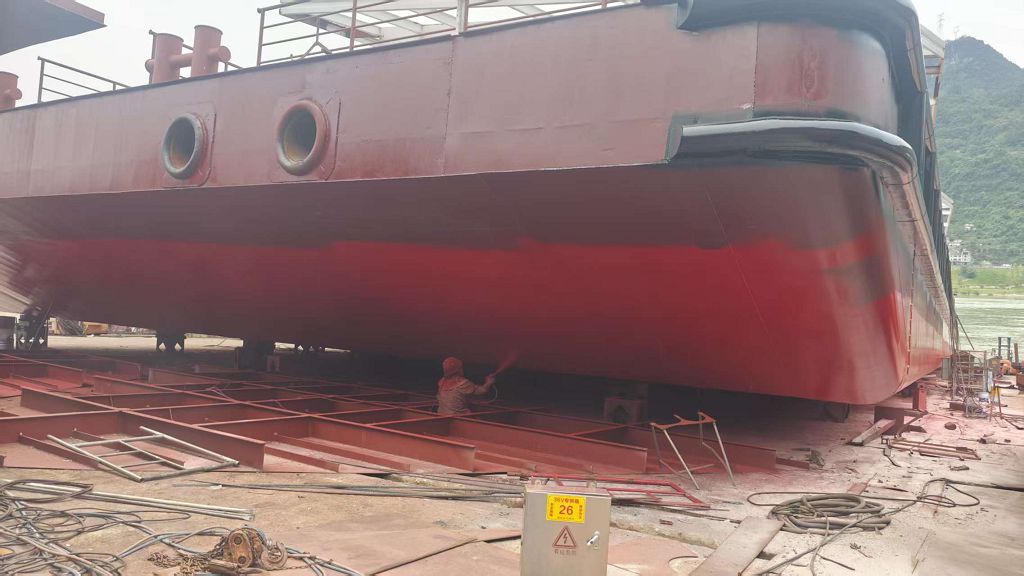
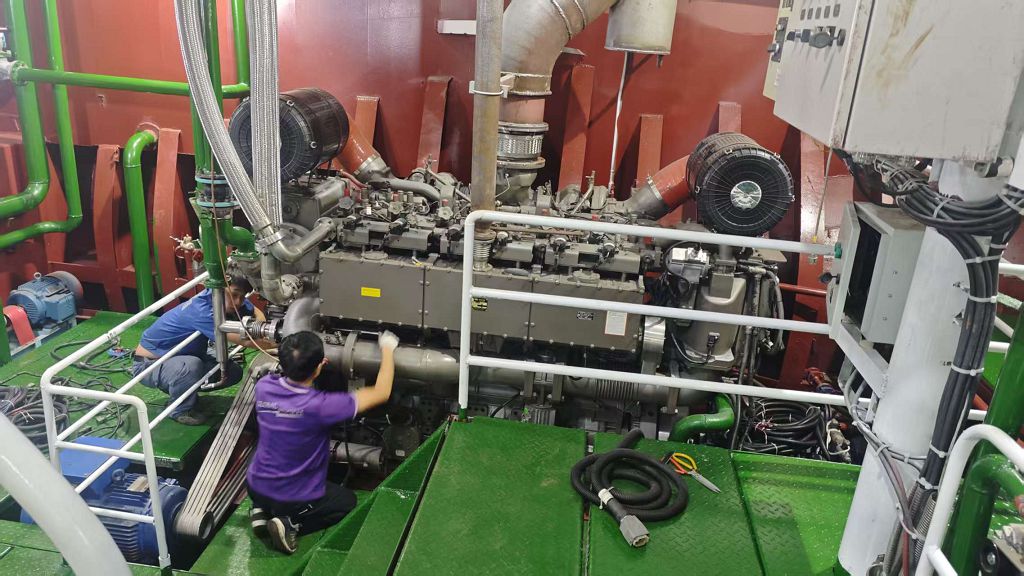
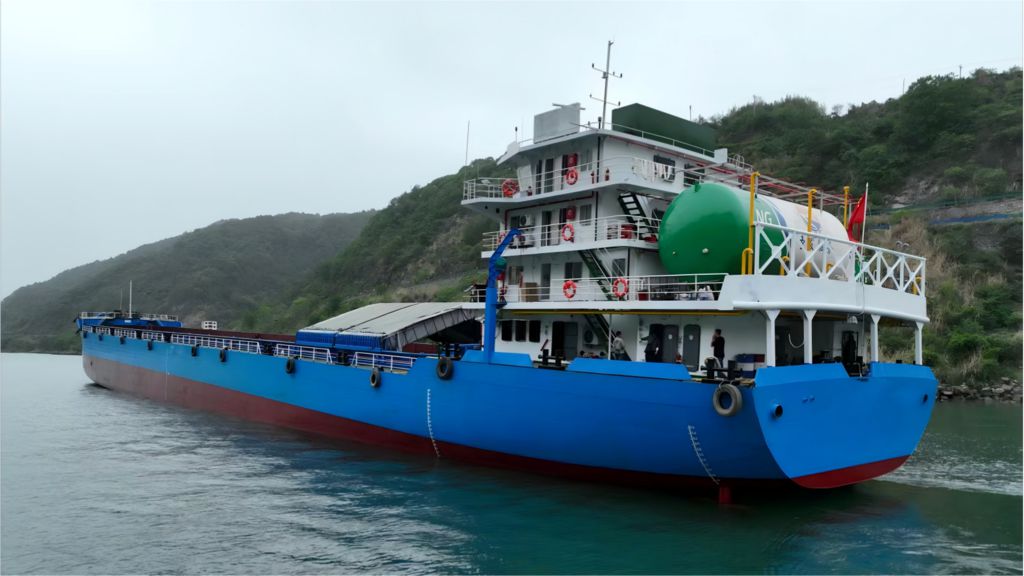
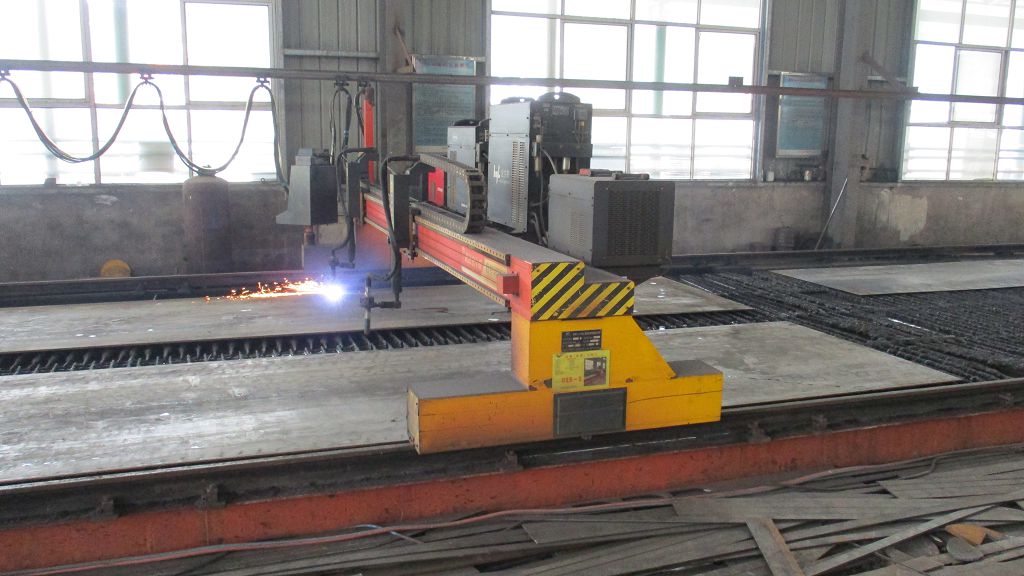
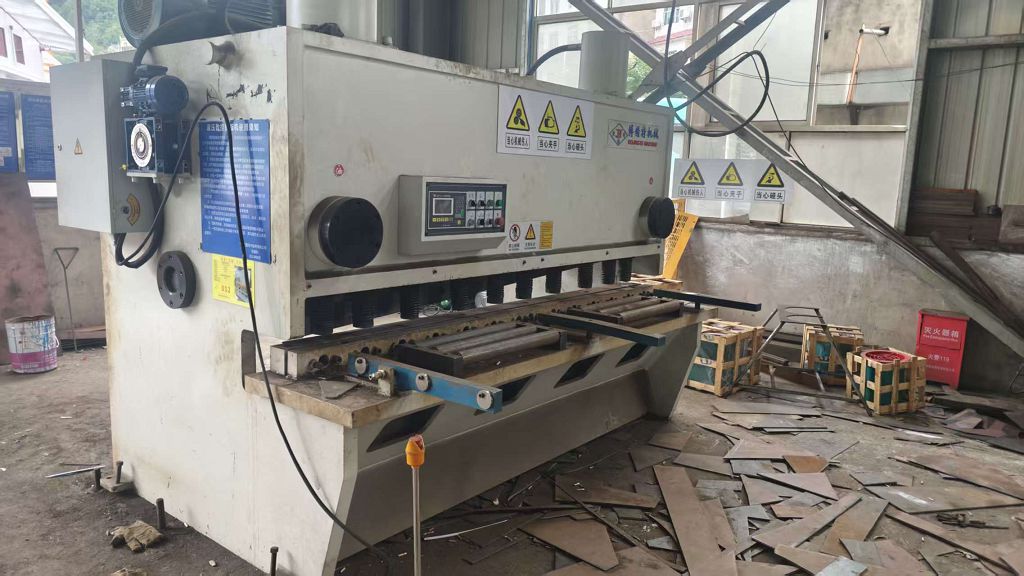
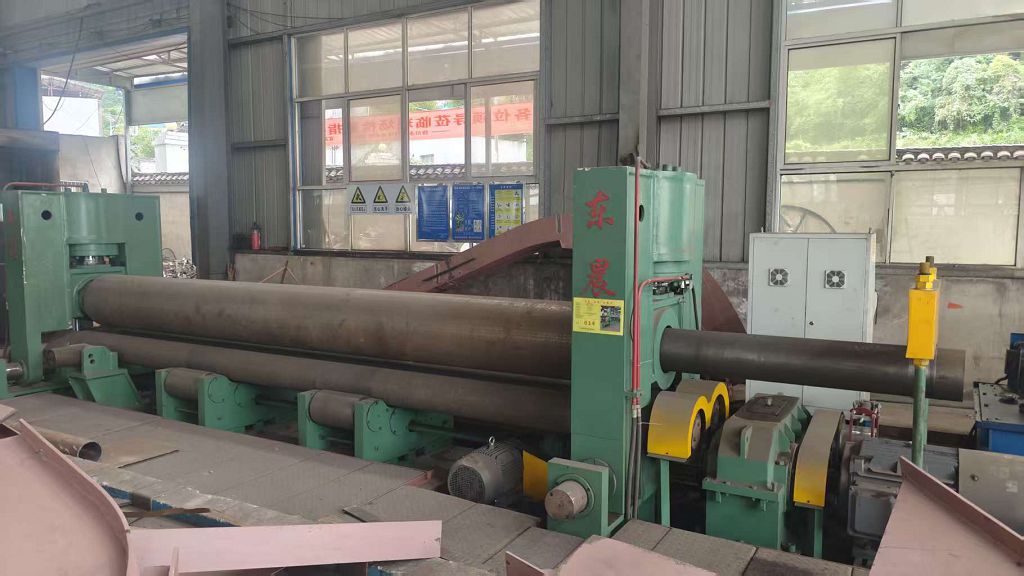
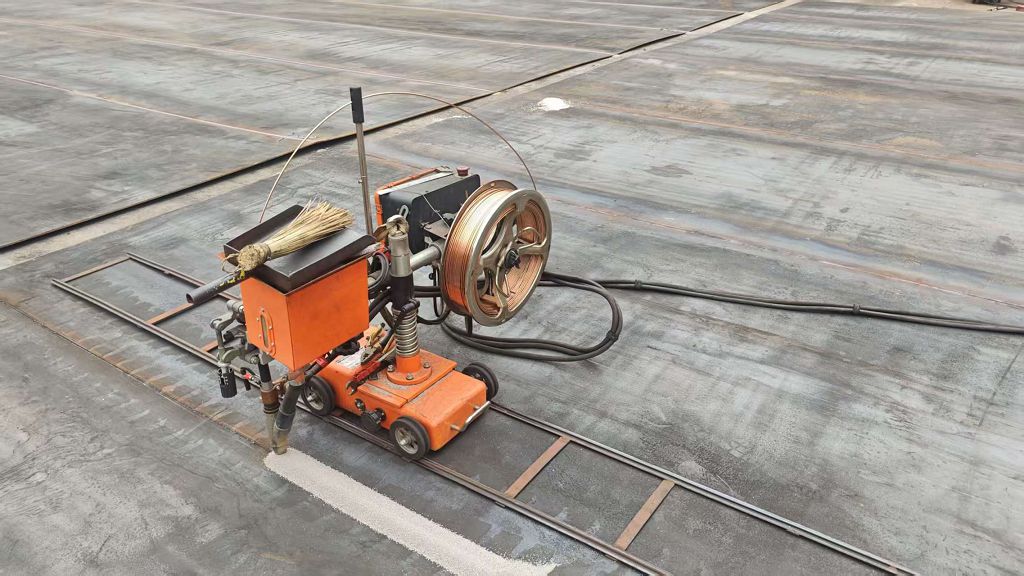
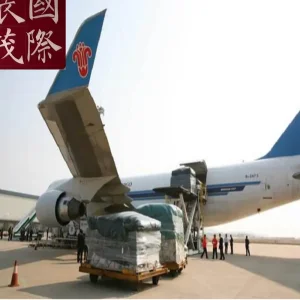
Precision manufacturing operations like CNC laser cutting, automatic shearing, rolling, and robotic welding generate high-value structural assemblies that require careful transport. These goods must be protected from humidity, vibration, and mechanical shifts during flight. Through custom packaging, heavy cargo loading plans, and IATA-compliant handling procedures, we transport completed industrial products safely from factory floors to global airports, ensuring they arrive on schedule and in pristine condition.
A trusted global freight forwarding partner delivering professional, transparent, and efficient logistics solutions.
Shenzhen Leoti Logistics Co., Ltd. is a modern international logistics company dedicated to providing comprehensive and efficient global freight solutions. The company primarily specializes in import and export freight forwarding, including air freight, ocean shipping, international express delivery, rail transport, and road transportation services.
In addition to core transportation services, Leoti Logistics offers a full range of one-stop logistics solutions, such as customs clearance, warehousing, cargo consolidation, trailer transportation, and trade agency services. Our goal is to simplify global trade for our clients by providing seamless end-to-end logistics support.
As a trusted booking agent for multiple leading shipping lines and airlines, the company is able to secure competitive cargo space in major global port cities, including Shenzhen, Guangzhou, Shanghai, Ningbo, Xiamen, Qingdao, Tianjin, Dalian, Beijing, and Lianyungang. Through strong partnerships with local warehouses, trucking fleets, and customs brokers, Leoti ensures smooth and efficient operations at every major port.
Over the years, Shenzhen Leoti Logistics has actively expanded its overseas logistics network. Today, we cooperate with more than 200 global agents covering Europe, North America, South America, Africa, Oceania, Central Asia, and Southeast Asia. This extensive network allows us to provide reliable international air freight, sea freight, express delivery, customs clearance, and last-mile delivery services worldwide.
Our overseas operations team maintains 24/7 real-time communication with international partners, ensuring timely coordination and secure handling of all shipments. This continuous communication helps guarantee cargo safety, operational efficiency, and customer satisfaction.
Leoti Logistics is proud of its strong core advantages. Our experienced and highly professional logistics team is well-versed in international shipping procedures and has in-depth knowledge of customs regulations and trade policies across different countries. This expertise enables us to design precise logistics solutions, effectively reduce operational risks, and optimize costs for our clients.
Supported by an advanced logistics information system, we provide real-time tracking throughout the entire transportation process. Customers can monitor their shipments at any time with full transparency and confidence.
At Shenzhen Leoti Logistics, we always adhere to a customer-first service philosophy. From order placement to final delivery, we offer personalized, one-on-one service to ensure that every client’s needs are responded to quickly and handled professionally.
Looking ahead, Shenzhen Leoti Logistics Co., Ltd. will continue to expand its global presence, enhance service quality, and strengthen its integrated logistics capabilities. Our vision is to become a leading international logistics enterprise and contribute to the growth and efficiency of global trade.
From factory arrival to destination airport cargo release: A systematic approach to secure and timely logistics.
We secure space with leading commercial airlines or charter services, coordinating departure dates based on the production schedules of the manufacturing facilities.
Cargo is picked up from the factory, measured, weighed, and double-checked for proper packaging at our local storage warehouses.
Our dedicated customs brokers manage the documentation and declaration processes, ensuring compliance with trade regulations to prevent terminal delays.
The shipment is flown to the destination airport, where it is transferred to the receiving terminal for customs clearance and collection by the importer's agent.
Analyzing technology adoption, sustainability efforts, and shift-on-demand dynamics in global air transport.
The air freight industry is undergoing a significant digital transformation. By replacing manual paperwork with electronic air waybills (e-AWB), carriers and forwarders are improving processing speeds and data accuracy. This digitalization enables real-time status updates, giving cargo managers and importers complete visibility over their shipments throughout transit.
At the same time, environmental sustainability has become a key priority. Leading airlines are increasing their use of Sustainable Aviation Fuel (SAF) and introducing fuel-efficient cargo jets to reduce carbon emissions. These advancements help global manufacturers meet environmental standards while maintaining the speed and reliability that air cargo provides.
Additionally, logistics networks are increasingly using AI-driven route optimization and smart scheduling systems. These tools analyze historical and real-time weather and airport congestion data to select the most reliable routes. This predictive approach minimizes delays and ensures consistent delivery times, even during busy shipping seasons.
Essential factors for supply chain leaders when evaluating airport-to-airport transportation partners.
When selecting a freight forwarding partner, global procurement teams look for reliability, capacity, and expertise. Key criteria include:
Shenzhen Leoti Logistics addresses these needs by combining booking agent space guarantees with digital tracking systems and experienced customs support, providing a reliable option for global manufacturing supply chains.
Expert answers to common questions about international airport-to-airport air cargo services.
Additional direct cargo services and routes linking major commercial airports worldwide.
 Leoti Logistics