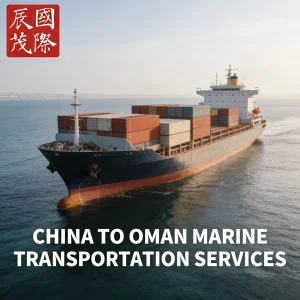
Direct vessel booking and tailor-made logistics routes connecting global industrial hubs with major regional deepwater ports.
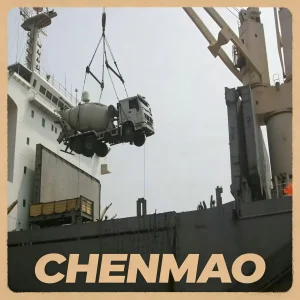
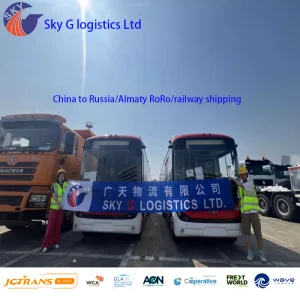
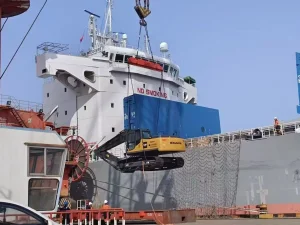
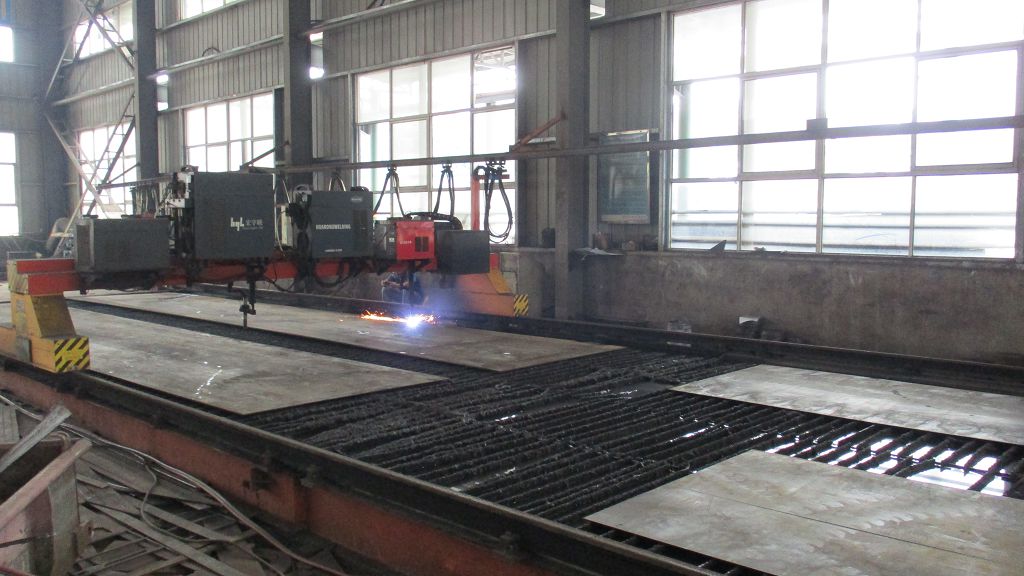
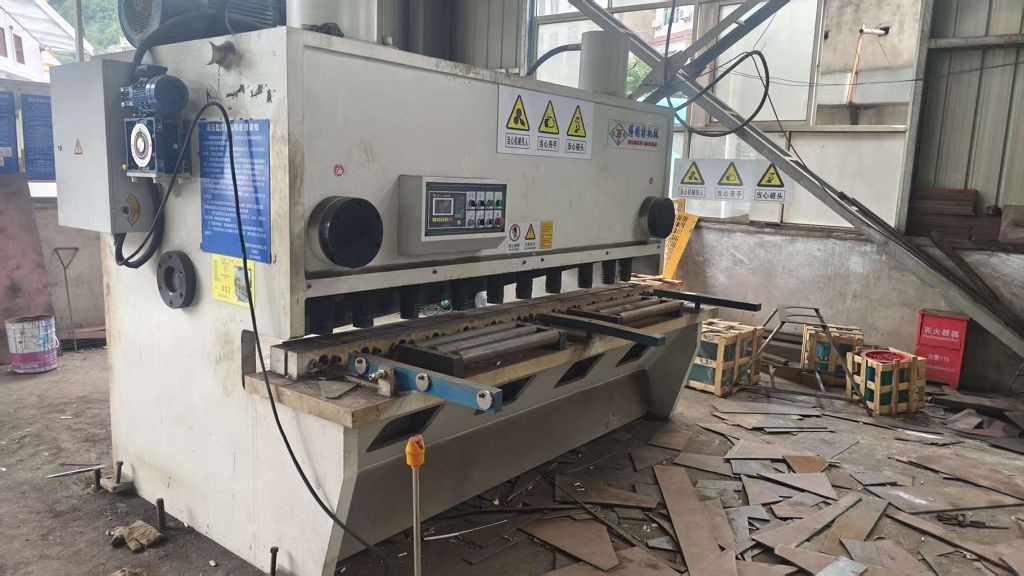
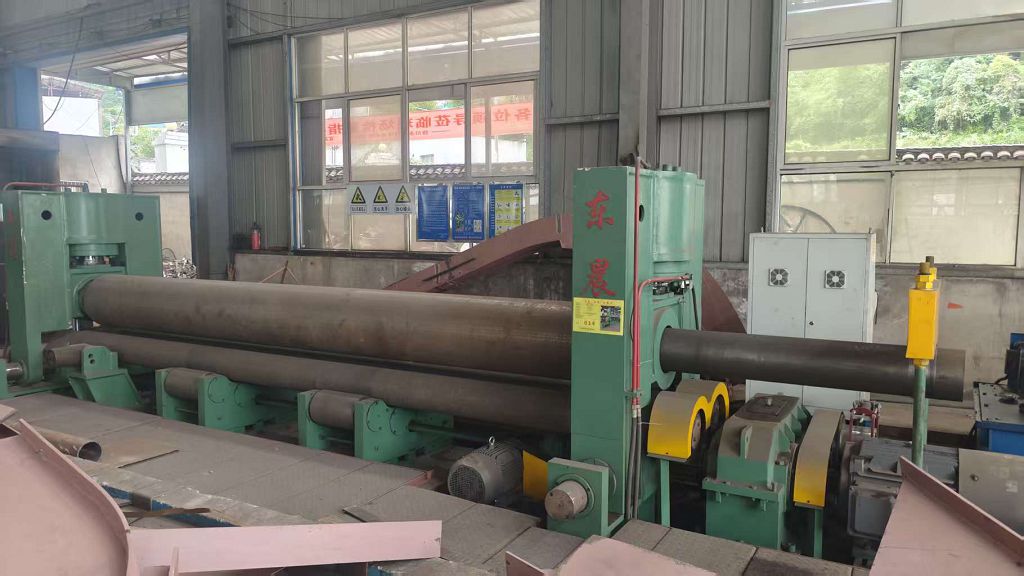
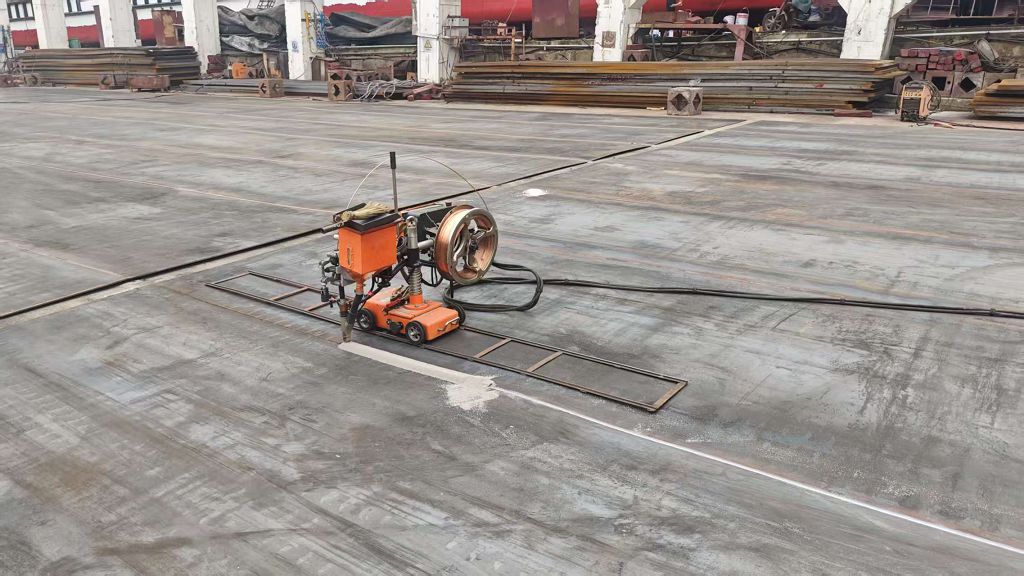
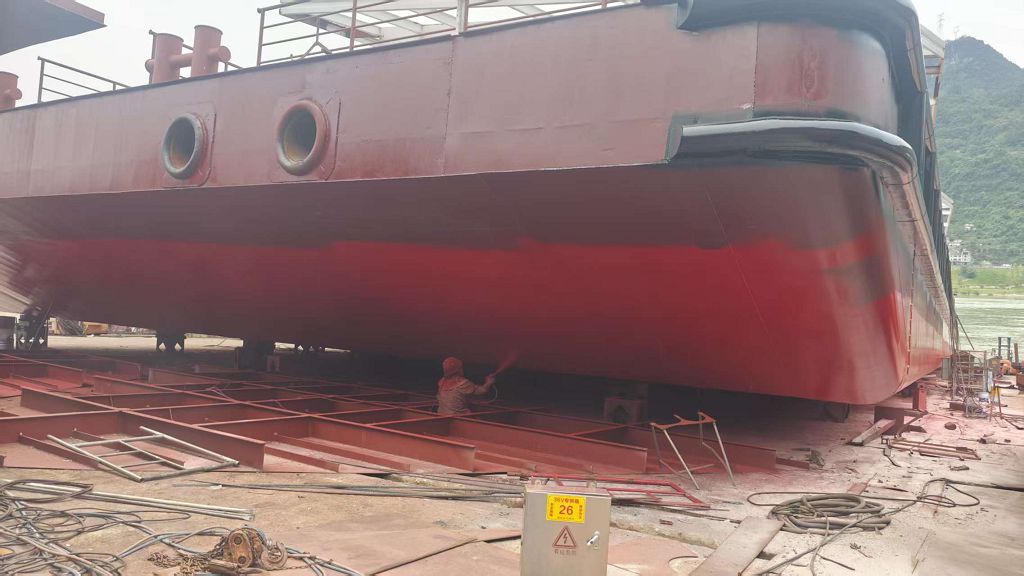
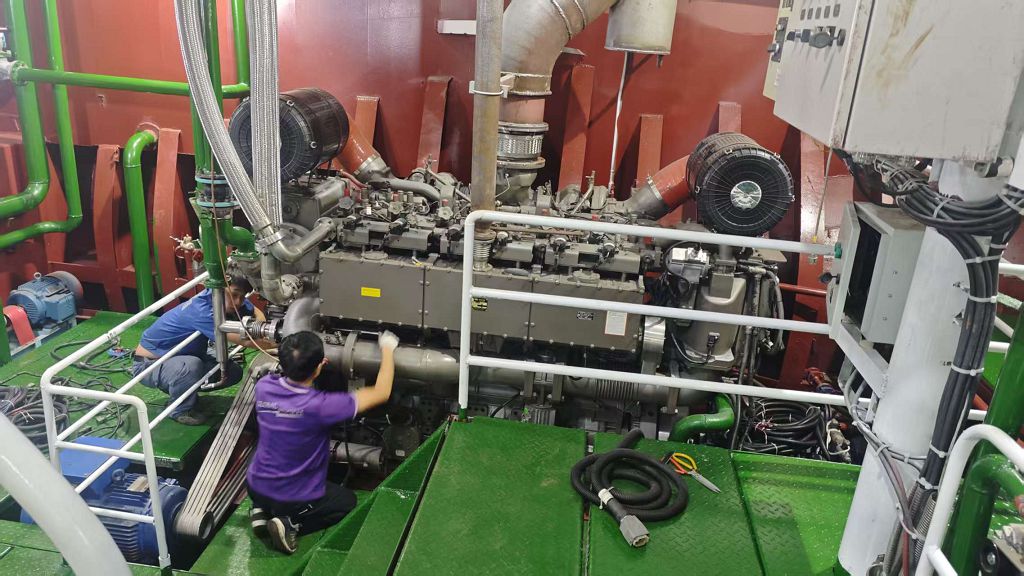
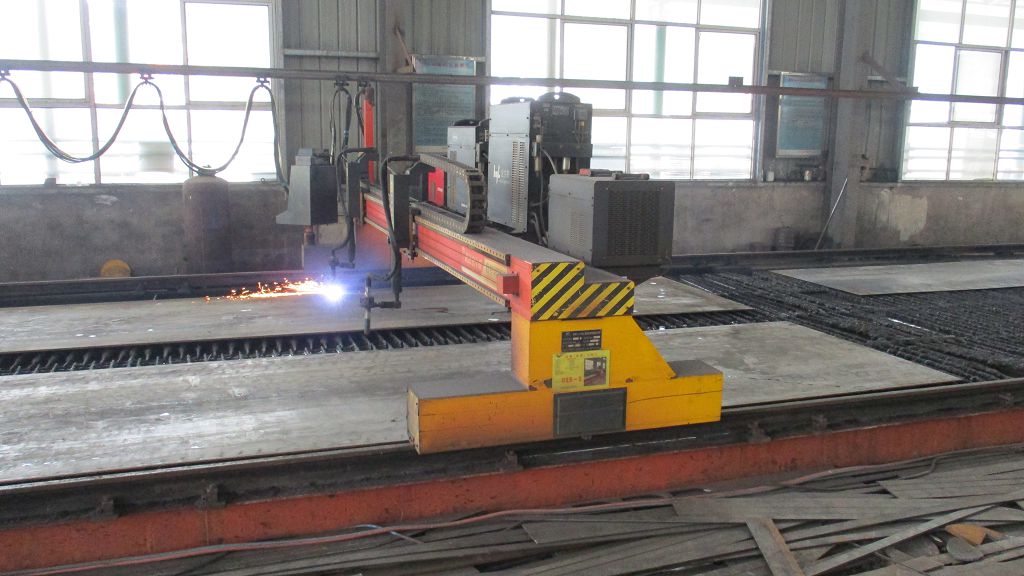
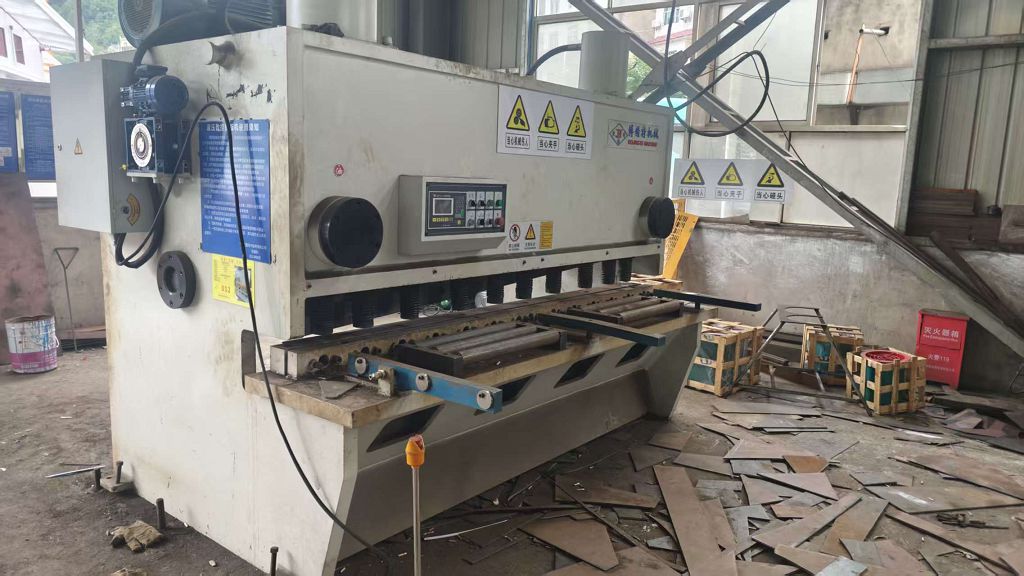
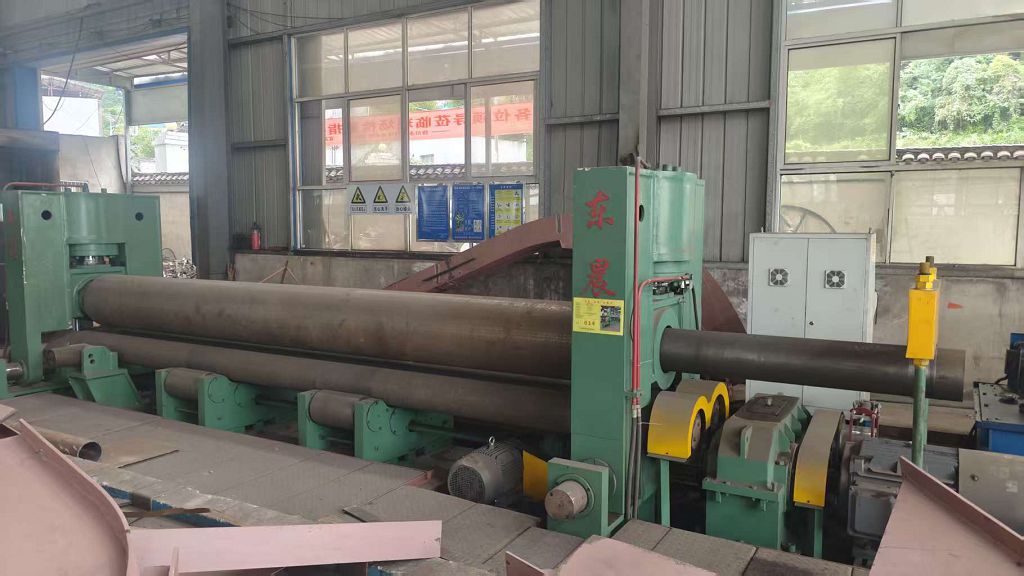
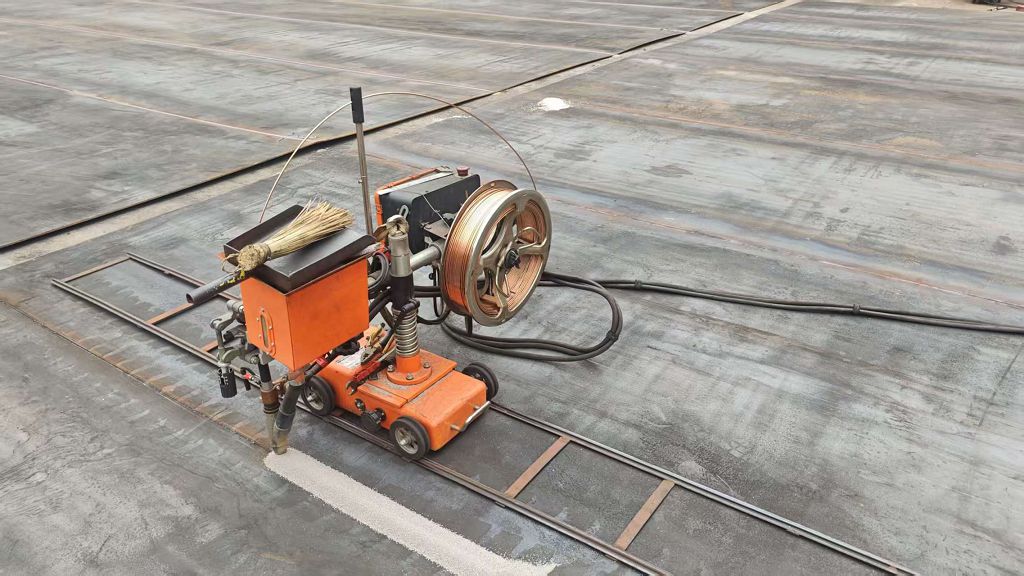
Our integrated operations utilize top-tier heavy machining and robotic assembly to manufacture custom roll trailers, securing rigs, and adapter systems essential for complex RoRo project cargo shipping.
Shenzhen Leoti Logistics Co., Ltd. is a modern international logistics company dedicated to providing comprehensive and efficient global freight solutions. The company primarily specializes in import and export freight forwarding, including air freight, ocean shipping, international express delivery, rail transport, and road transportation services. In addition to core transportation services, Leoti Logistics offers a full range of one-stop logistics solutions, such as customs clearance, warehousing, cargo consolidation, trailer transportation, and trade agency services. Our goal is to simplify global trade for our clients by providing seamless end-to-end logistics support.
As a trusted booking agent for multiple leading shipping lines and airlines, the company is able to secure competitive cargo space in major global port cities, including Shenzhen, Guangzhou, Shanghai, Ningbo, Xiamen, Qingdao, Tianjin, Dalian, Beijing, and Lianyungang. Through strong partnerships with local warehouses, trucking fleets, and customs brokers, Leoti ensures smooth and efficient operations at every major port.
Over the years, Shenzhen Leoti Logistics has actively expanded its overseas logistics network. Today, we cooperate with more than 200 global agents covering Europe, North America, South America, Africa, Oceania, Central Asia, and Southeast Asia. This extensive network allows us to provide reliable international air freight, sea freight, express delivery, customs clearance, and last-mile delivery services worldwide.
Our overseas operations team maintains 24/7 real-time communication with international partners, ensuring timely coordination and secure handling of all shipments. This continuous communication helps guarantee cargo safety, operational efficiency, and customer satisfaction.
Leoti Logistics is proud of its strong core advantages. Our experienced and highly professional logistics team is well-versed in international shipping procedures and has in-depth knowledge of customs regulations and trade policies across different countries. This expertise enables us to design precise logistics solutions, effectively reduce operational risks, and optimize costs for our clients. Supported by an advanced logistics information system, we provide real-time tracking throughout the entire transportation process. Customers can monitor their shipments at any time with full transparency and confidence.
At Shenzhen Leoti Logistics, we always adhere to a customer-first service philosophy. From order placement to final delivery, we offer personalized, one-on-one service to ensure that every client’s needs are responded to quickly and handled professionally. Looking ahead, Shenzhen Leoti Logistics Co., Ltd. will continue to expand its global presence, enhance service quality, and strengthen its integrated logistics capabilities. Our vision is to become a leading international logistics enterprise and contribute to the growth and efficiency of global trade.
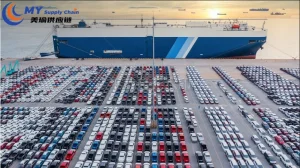
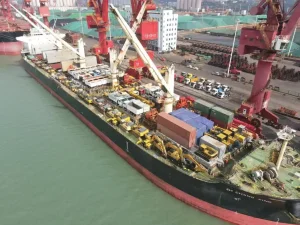
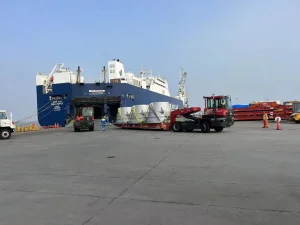
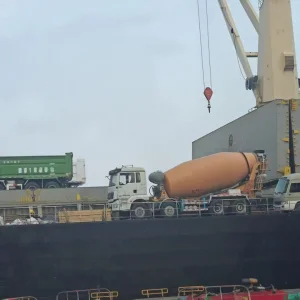
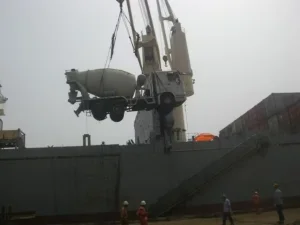
The Roll-on/Roll-off (RoRo) shipping industry constitutes the backbone of international vehicle manufacturing, heavy machinery supply chains, and specialized break-bulk logistics. Unlike standard container shipping, RoRo logistics is characterized by vessels equipped with built-in ramps that allow wheeled cargo—such as passenger automobiles, heavy trucks, excavators, agricultural tractors, and railway coaches—to be driven directly on and off the ship.
Today's global industrial landscape is experiencing structural changes. The rapid expansion of New Energy Vehicles (NEVs), combined with massive infrastructure developments across the Middle East, Latin America, and Southeast Asia, has triggered an unprecedented demand for reliable RoRo vessel capacity. Large industrial manufacturers require predictable transit times, customized heavy-lift stowage planning, and advanced cargo-securing techniques. The strategic alignment between specialized logistics operators and manufacturing facilities represents a vital competitive advantage for global trade.
China's dominance in the global industrial supply chain is underpinned not only by its manufacturing output but also by its highly integrated logistical support systems. Key components of this efficiency include:
This level of hardware integration, combined with automated manufacturing and logistics planning, ensures that Chinese-produced industrial goods can be dispatched globally with minimal delay, maintaining supply chain integrity even during peak shipping seasons.
Understanding local requirements is essential for designing optimal transport routes. Here are several key application scenarios:
Jebel Ali Port (UAE) and Sohar Port (Oman) serve as major transit Gateways for the Middle East. RoRo shipments to these ports typically consist of heavy-duty municipal construction machinery, high-tonnage cranes, and commercial buses. Logistics systems must withstand extreme temperatures, requiring specialized dust protection and engine fluid checks before roll-on procedures.
Shipping oversized cargo and utility vehicles to ports such as Mariel (Cuba) and Manati (Puerto Rico) demands meticulous compliance with regional maritime regulations. With varying port infrastructure and draft clearances, logistics planners must choose RoRo vessels equipped with multi-stage stern ramps capable of adjusting to tidal fluctuations.
The transit of EV buses and heavy utility trucks from Shanghai or Qingdao to Manzanillo and Mexico City requires specialized handling. Due to high-voltage battery arrays, these vehicles are subject to strict maritime hazardous cargo guidelines. Specialized RoRo operators must establish designated monitoring zones on board, with integrated thermal imaging and active fire suppression systems to ensure complete safety throughout the voyage.
The maritime shipping sector is undergoing a technology-driven transformation. Future development in RoRo and break-bulk logistics is focused on three main pillars:
Navigating the complex regulatory landscape of international trade requires dedicated compliance procedures:
Find answers to common questions about Roll-on/Roll-off shipping operations, equipment specifications, and safety standards.
Reliable container, bulk, and project logistics connections for diverse industrial markets.
 Leoti Logistics