Whitepaper: Optimizing Ocean Vessel Space Booking for New Zealand's Supply Chains
In the complex and dynamic landscape of global logistics, New Zealand represents a highly specialized destination. Geographically isolated and heavily reliant on oceanic trade corridors, the nation's economy demands absolute efficiency, predictability, and safety in ocean freight systems. Establishing reliable vessel space booking protocols from major global industrial nodes—most notably China's manufacturing clusters—is not merely a logistical necessity but a strategic differentiator for New Zealand enterprises. This whitepaper analyzes the current commercial realities, technical parameters, and strategic solutions essential for securing reliable ocean vessel space allocation.
“Resilient supply chains are the lifeblood of New Zealand’s industrial, agricultural, and consumer sectors. Understanding the nuances of vessel space booking at the manufacturer origin is key to mitigating delays at regional ports like Tauranga and Auckland.”
1. New Zealand’s Local Commercial & Industrial Realities
New Zealand's domestic trade is characterized by a high reliance on containerized imports for consumer electronics, industrial manufacturing parts, steel products, agricultural machinery, and fire safety systems. Major ports like the Port of Auckland and the Port of Tauranga serve as the primary entry points for the North Island, while Lyttelton Port and Port Chalmers (Dunedin) anchor the South Island's logistics networks. However, these ports are vulnerable to schedule disruptions due to global carrier blank sailings, regional weather fluctuations, and localized labor and infrastructure constraints.
Furthermore, New Zealand's export-driven economy—dominated by dairy, timber, meat, and fresh fruit—demands high volumes of empty food-grade refrigerated containers (Reefers) and general-purpose Dry Vans. The imbalance of trade routes means that managing the repositioning of empty equipment is critical. Under these circumstances, local businesses must utilize origin-based booking agents that have strong contractual agreements with major ocean alliances (such as 2M, Ocean Alliance, and THE Alliance) to secure space even during peak seasons or sudden capacity reductions.
2. China-to-NZ Freight Corridors: Supply Chain Resilience & Efficiency
China remains New Zealand's largest trading partner. The manufacturing hubs of Shenzhen, Guangzhou, Shanghai, Ningbo, and Tianjin serve as the origins for over 30% of New Zealand's total imports. Establishing ocean vessel space booking factories and suppliers in China provides significant efficiency gains. By acting as the direct link between manufacturing plants and carrier booking offices, specialized logistics providers like Shenzhen Leoti Logistics Co., Ltd. bypass intermediaries, ensuring direct control over equipment release, container stuffing, and customs declaration.
This direct-source booking approach minimizes the risk of roll-overs (where cargo is bumped to a subsequent vessel due to overbooking). Additionally, with direct representation in major Chinese ports, logistics providers can offer flexible FCL (Full Container Load) and LCL (Less than Container Load) consolidations, guaranteeing that high-priority parts reach Auckland or Lyttelton without intermediate warehouse bottlenecks.
3. E-E-A-T Case Study: The Process and Equipment Behind Industrial Cargo
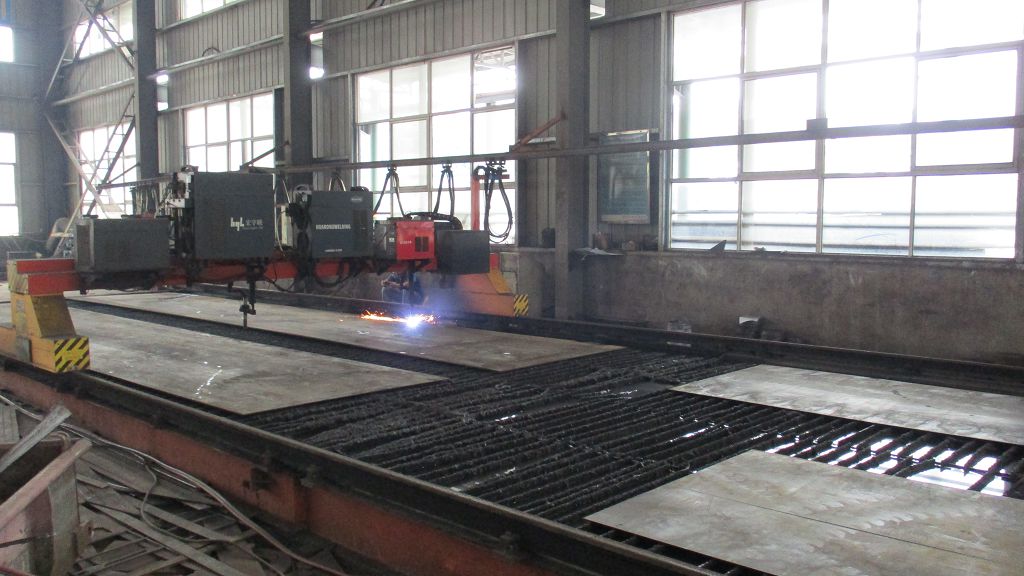
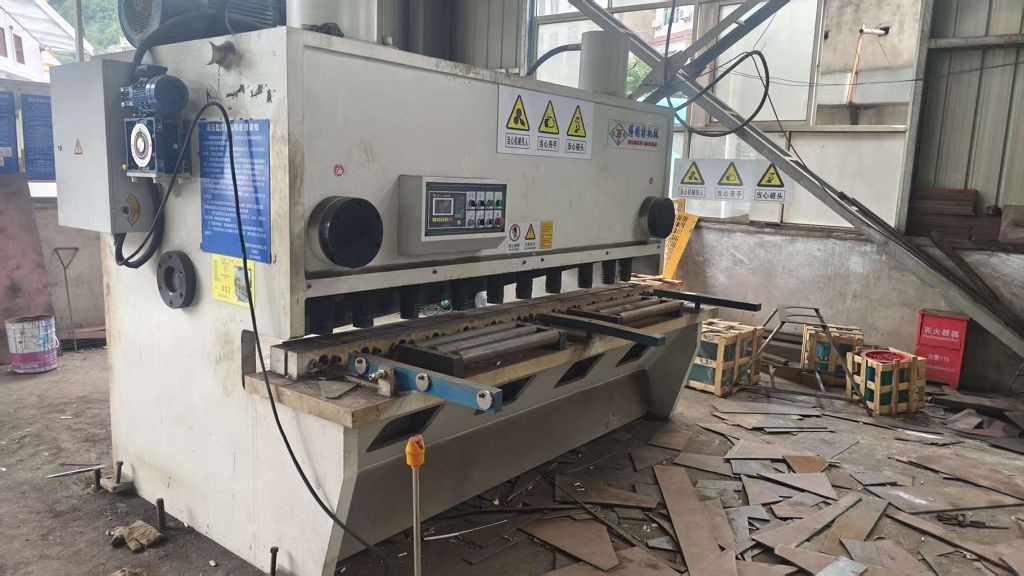
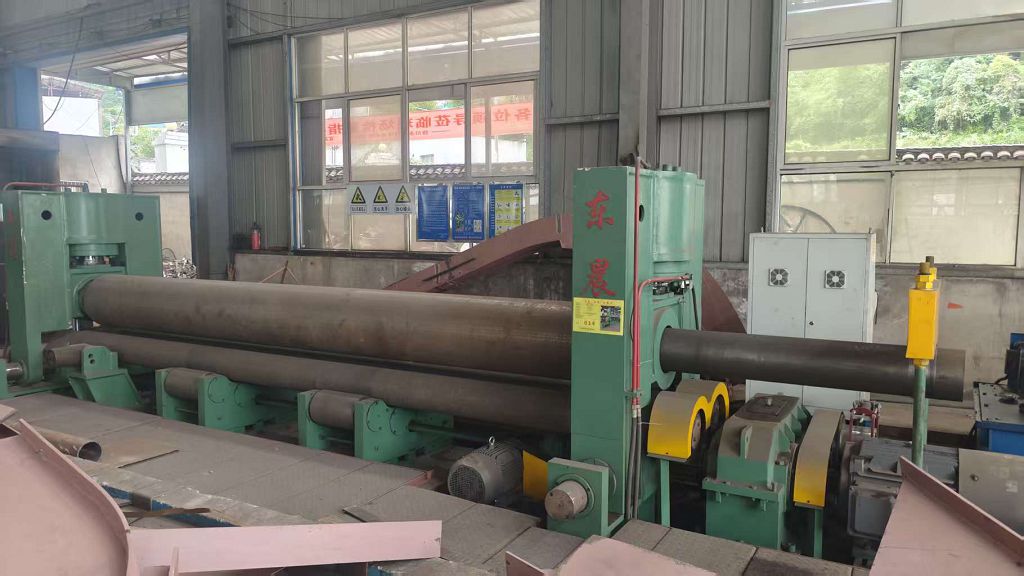
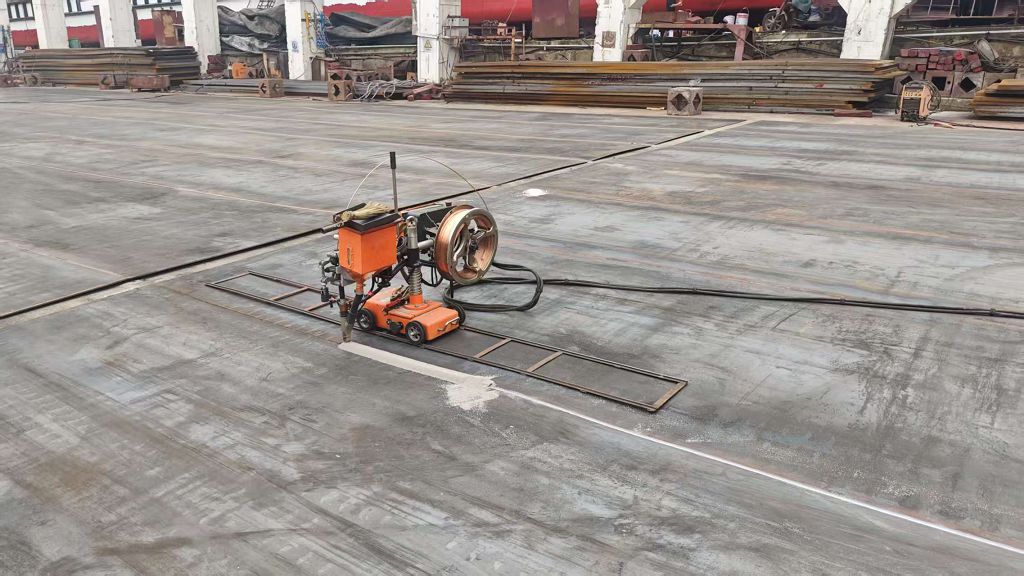
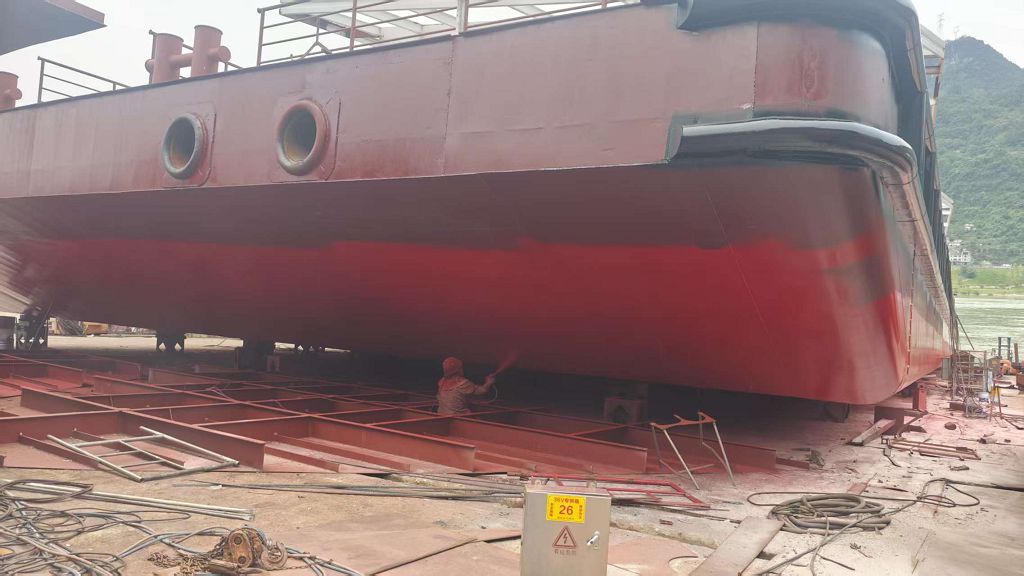
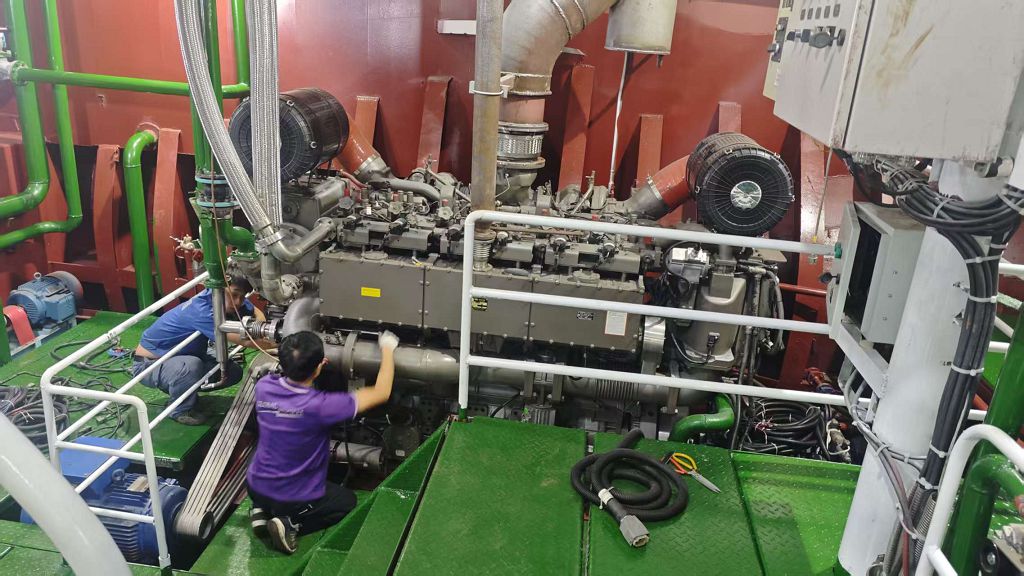
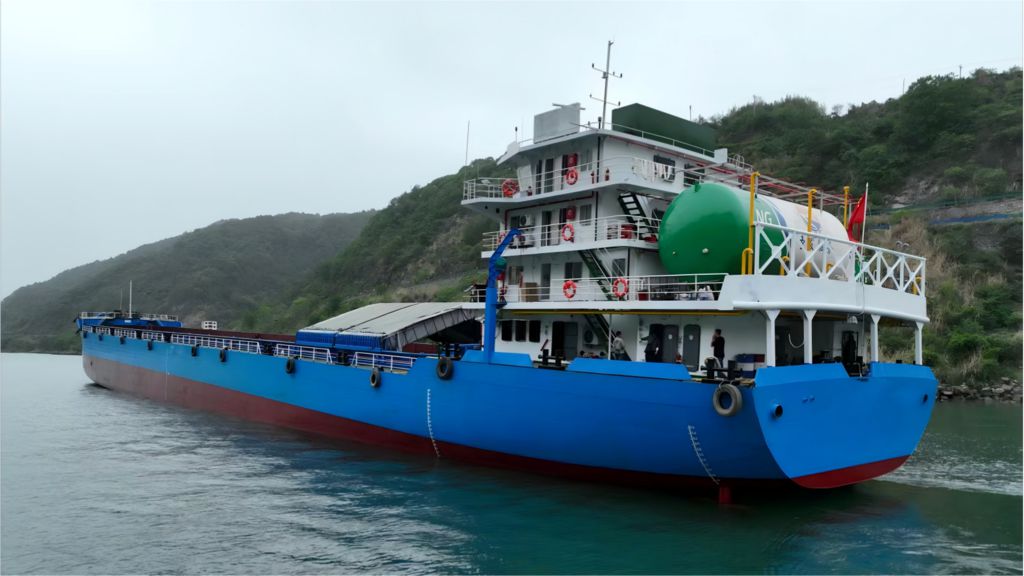
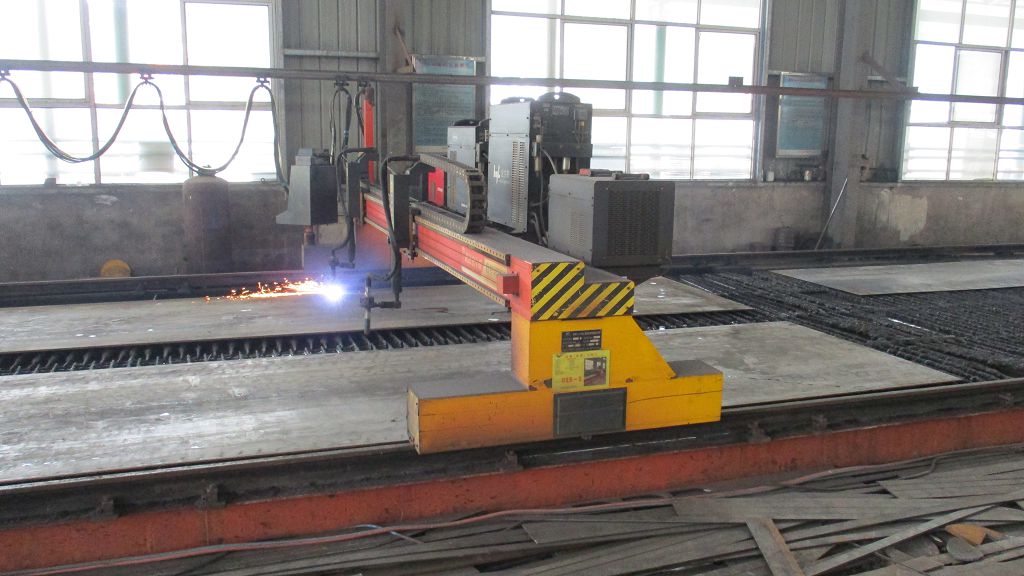
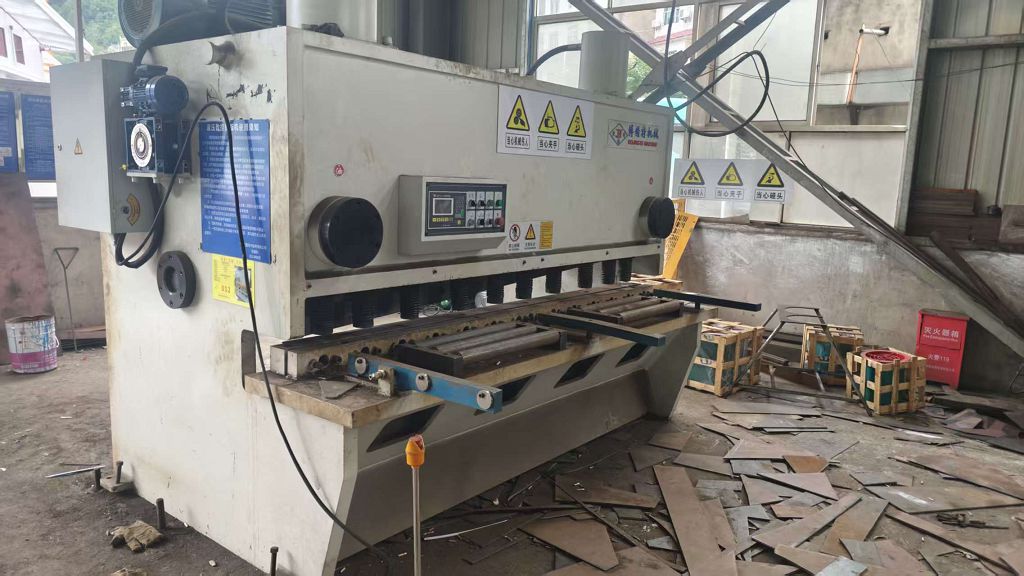
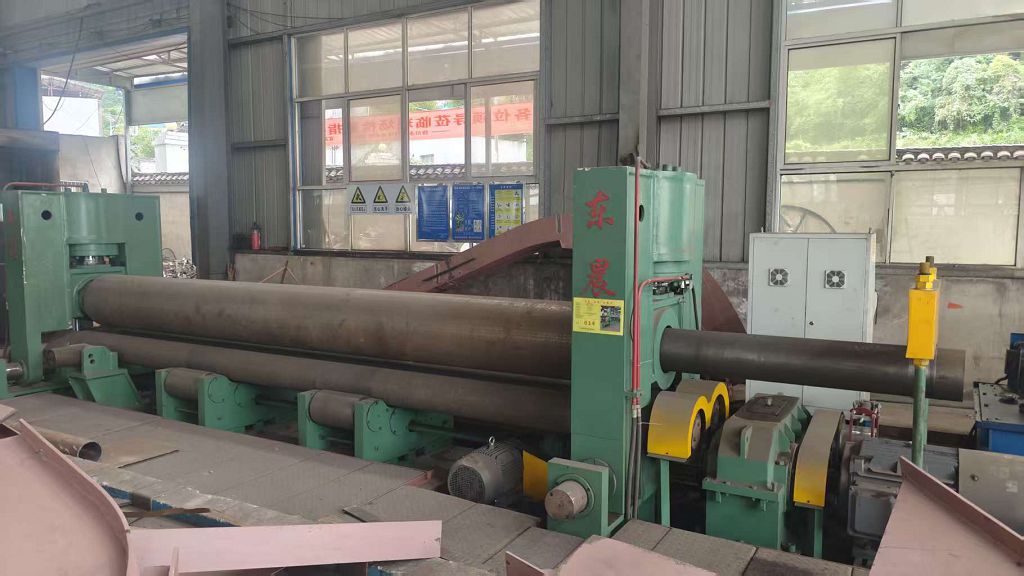
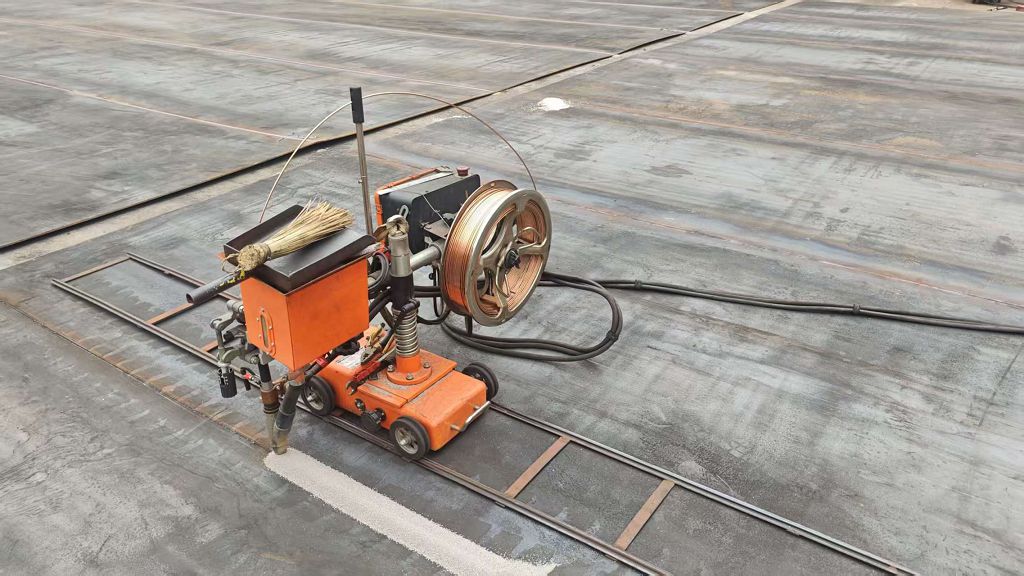
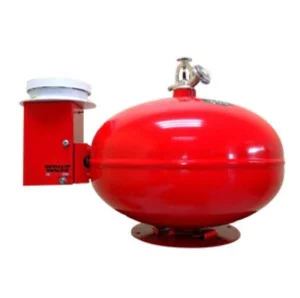
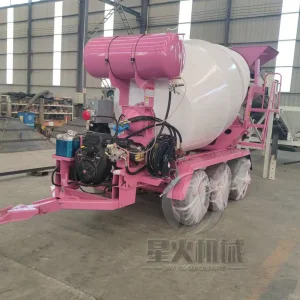
For industrial components, structural metals, and machinery shipped to New Zealand, origin factories must follow precise manufacturing, preparation, and shipping workflows. Securing ocean vessel space for industrial goods requires the carrier to understand the dimensional profile and weight distribution of the cargo. The following sequence demonstrates how typical heavy industrial products are processed, verified, and secured for export shipping:
4. Our Story: Shenzhen Leoti Logistics Co., Ltd.
Shenzhen Leoti Logistics Co., Ltd. is a modern international logistics company dedicated to providing comprehensive and efficient global freight solutions. The company primarily specializes in import and export freight forwarding, including air freight, ocean shipping, international express delivery, rail transport, and road transportation services.
In addition to core transportation services, Leoti Logistics offers a full range of one-stop logistics solutions, such as customs clearance, warehousing, cargo consolidation, trailer transportation, and trade agency services. Our goal is to simplify global trade for our clients by providing seamless end-to-end logistics support.
As a trusted booking agent for multiple leading shipping lines and airlines, the company is able to secure competitive cargo space in major global port cities, including Shenzhen, Guangzhou, Shanghai, Ningbo, Xiamen, Qingdao, Tianjin, Dalian, Beijing, and Lianyungang. Through strong partnerships with local warehouses, trucking fleets, and customs brokers, Leoti ensures smooth and efficient operations at every major port.
Over the years, Shenzhen Leoti Logistics has actively expanded its overseas logistics network. Today, we cooperate with more than 200 global agents covering Europe, North America, South America, Africa, Oceania, Central Asia, and Southeast Asia. This extensive network allows us to provide reliable international air freight, sea freight, express delivery, customs clearance, and last-mile delivery services worldwide.
Our overseas operations team maintains 24/7 real-time communication with international partners, ensuring timely coordination and secure handling of all shipments. This continuous communication helps guarantee cargo safety, operational efficiency, and customer satisfaction.
Leoti Logistics is proud of its strong core advantages. Our experienced and highly professional logistics team is well-versed in international shipping procedures and has in-depth knowledge of customs regulations and trade policies across different countries. This expertise enables us to design precise logistics solutions, effectively reduce operational risks, and optimize costs for our clients.
Supported by an advanced logistics information system, we provide real-time tracking throughout the entire transportation process. Customers can monitor their shipments at any time with full transparency and confidence.
At Shenzhen Leoti Logistics, we always adhere to a customer-first service philosophy. From order placement to final delivery, we offer personalized, one-on-one service to ensure that every client’s needs are responded to quickly and handled professionally.
Looking ahead, Shenzhen Leoti Logistics Co., Ltd. will continue to expand its global presence, enhance service quality, and strengthen its integrated logistics capabilities. Our vision is to become a leading international logistics enterprise and contribute to the growth and efficiency of global trade.
5. Technical Roadmap: Future of Ocean Space Booking and Logistics Automation
The logistics sector is undergoing a rapid digital shift, particularly in booking and capacity management. Traditionally, securing space on ocean carriers involved complex manual iterations between shippers, forwarders, and lines. Modern logistics systems utilize API-integrated digital booking engines to automate this process. Key updates include:
- Direct Carrier API Integration: Enables instant container allocation, digital verification of hazardous cargo, and dynamic freight pricing based on spot-market indicators.
- Predictive Blank Sailing Allocations: AI algorithms track global blank sailing trends, automatically rerouting shipments to avoid congestion.
- IoT-enabled Smart Containers: Provides real-time tracking of parameters like temperature and humidity—critical for New Zealand food and agricultural logistics.
6. Compliance, Biosecurity, and Localized Support for New Zealand
New Zealand has strict biosecurity regulations to protect its ecosystem. The Ministry for Primary Industries (MPI) enforces stringent guidelines on cleanliness and wood packaging materials. For imports from China, particularly during the high-risk season (September to April), shipments must undergo Brown Marmorated Stink Bug (BMSB) treatment (heat treatment or sulfuryl fluoride fumigation) before arrival in New Zealand. Non-compliant containers face immediate re-export or destruction, incurring high costs. Leoti Logistics provides pre-shipment inspections, approved treatments, and seamless customs brokerage to ensure compliance with MPI and the New Zealand Customs Service (NZCS).
 Leoti Logistics