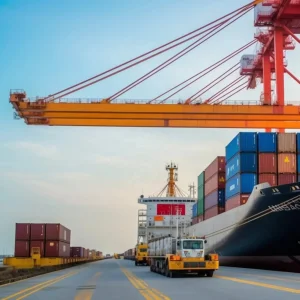
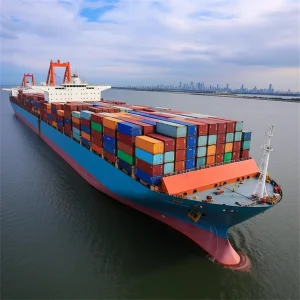
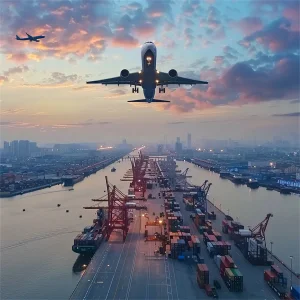
Explore our primary ocean shipping and cargo space reservation services optimized for West African maritime corridors.
In the contemporary global trade dynamic, securing cargo allocations and managing ocean vessel space bookings represent critical bottlenecks for supply chain operations. For the Cameroon market, a region rapidly developing its infrastructure but historically constrained by specific logistics challenges, accessing reliable maritime transport options is vital. Importers in Yaoundé, Douala, Garoua, and across the wider CEMAC (Central African Economic and Monetary Community) zone must establish direct, contracted lines of communication with vessel operators to navigate capacity peaks and seasonal congestion.
As industrialization takes root across Cameroon—driven by investments in hydroelectric power, infrastructure, agricultural processing, and manufacturing sectors—the demand for raw materials and heavy equipment from global industrial hubs, particularly China, has surged. Navigating this demand requires an analytical approach to maritime logistics. It involves understanding transit dynamics, terminal capabilities, carrier service profiles, and the regulatory environment.
A granular assessment of Cameroon's maritime logistics landscape reveals two primary entry points, each serving distinct cargo types and operational strategies:
Understanding these ports is essential when executing ocean vessel space booking. Selecting the appropriate destination port influences not only ocean freight rates but also the inland transport infrastructure costs for the final leg.
The international shipping industry has transitioned into a highly structured environment where carrier alliances (such as the Ocean Alliance, 2M, and THE Alliance) manage global space allocations. For emerging trade routes like China-West Africa, shipping lanes are often subject to sudden blank sailings (voided port calls) and capacity reallocations to high-demand East-West routes.
To mitigate these volatility factors, cargo owners and logistics facilitators rely on direct contracts, NVOCC (Non-Vessel Operating Common Carrier) volume commitments, and early booking strategies. Booking space 3 to 4 weeks prior to estimated time of departure (ETD) is no longer a luxury; it is an operational necessity. Additionally, leveraging digital EDI integrations and real-time carrier container tracking allows importers to manage their inventory lead times with higher statistical accuracy.
For Cameroon-bound ocean shipments, the months leading up to the holiday season (September to December) and the weeks preceding Chinese New Year see peak demand. Booking early and using multi-carrier space allocation ensures that if one vessel is blanked, your container is protected and rolled to the next partner vessel within the alliance.
At Shenzhen Leoti Logistics Co., Ltd., we recognize that securing ocean vessel space is only half the battle. Heavy industrial shipments, construction machinery, and structural components require specialized cargo securement engineering to withstand the mechanical forces of ocean transit. The fabrication of custom steel crates, structural bracing, and specialized container lashing systems is essential.
The production of cargo containment and support structures involves precise metalworking processes to ensure cargo safety during rough sea passages:
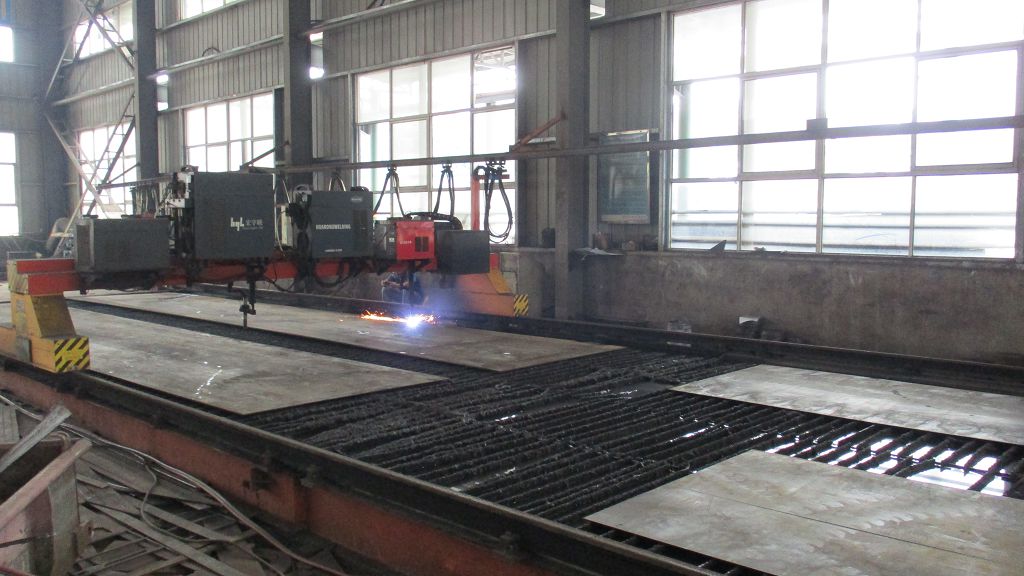
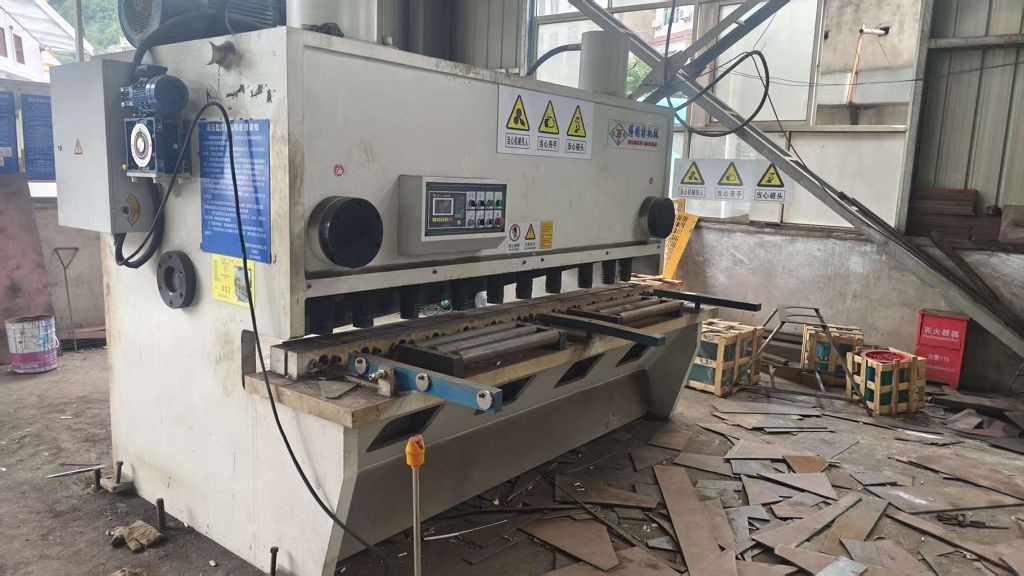
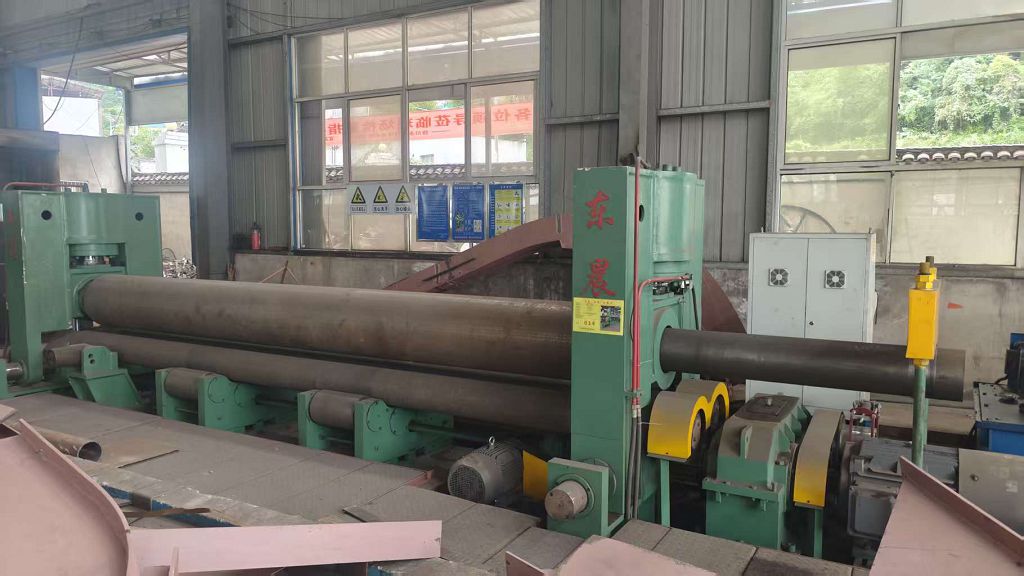
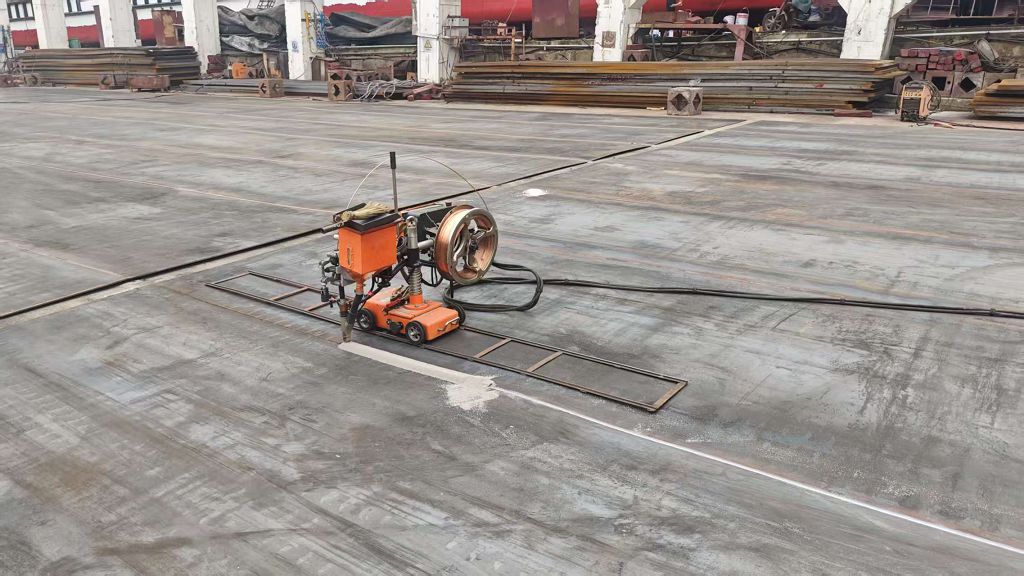
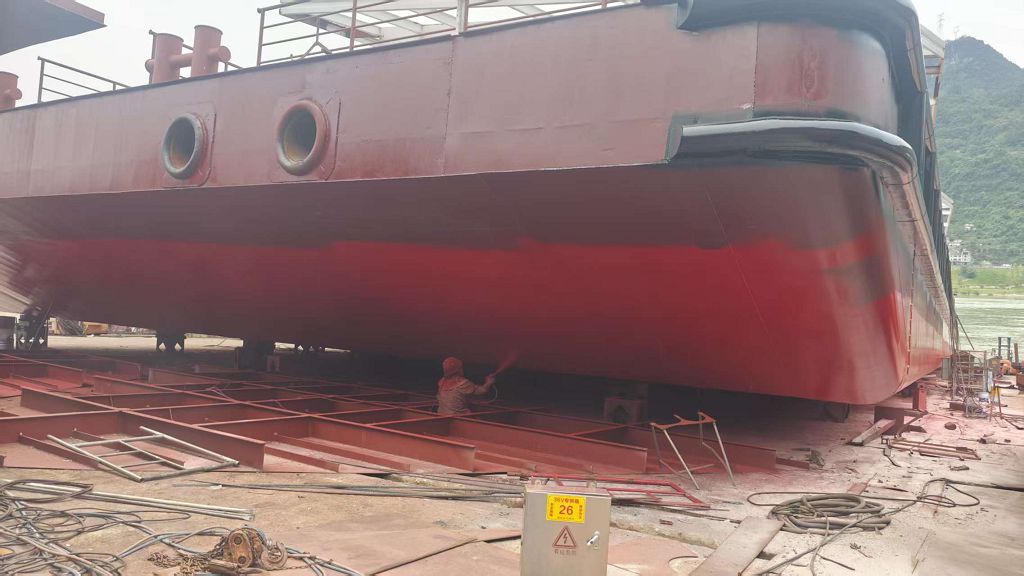
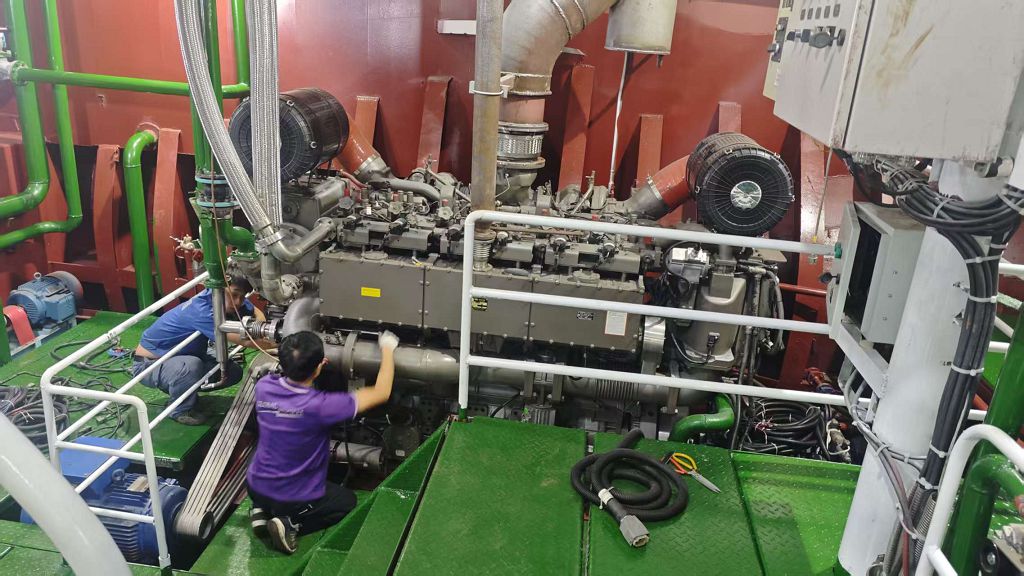
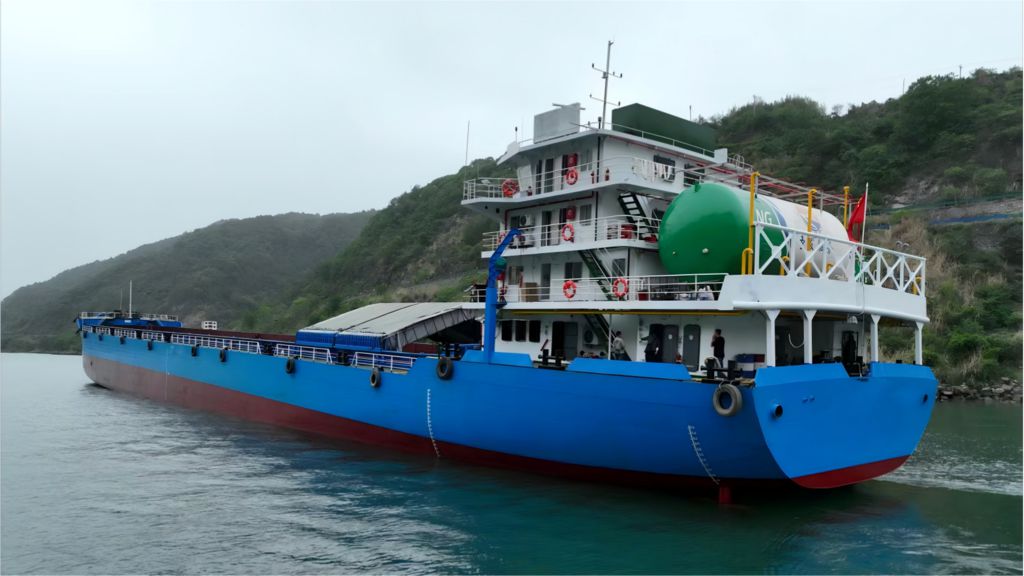
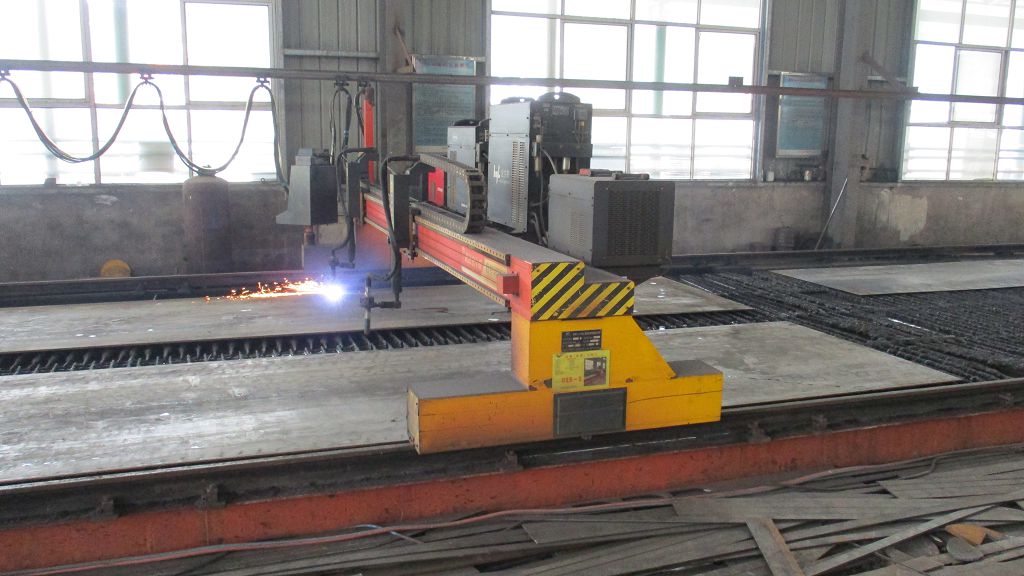
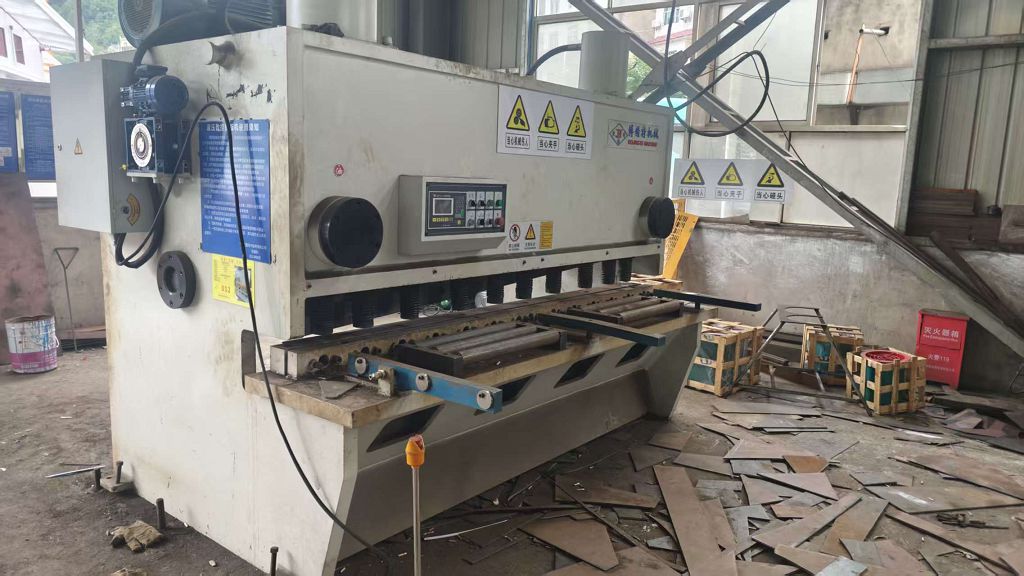
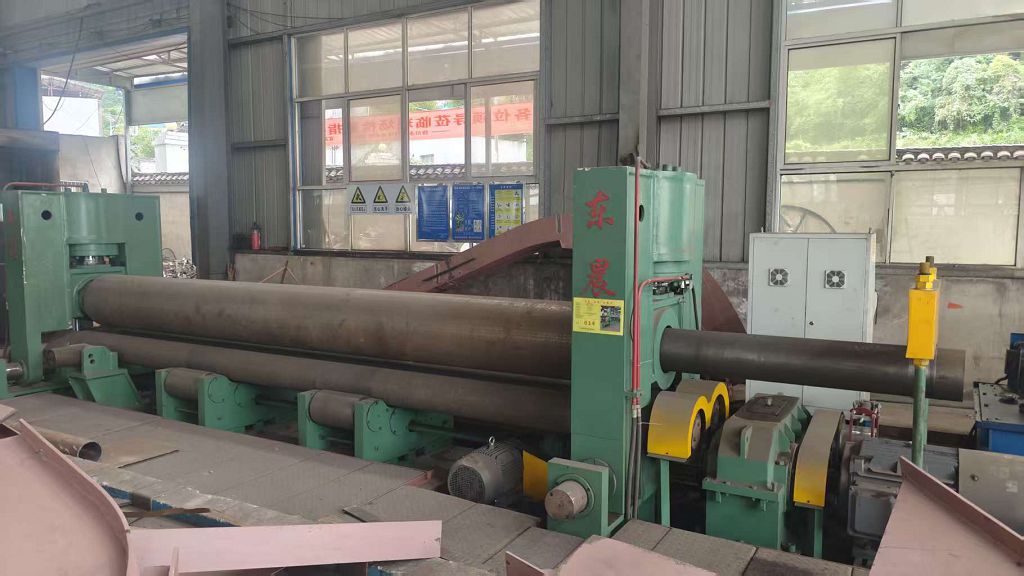
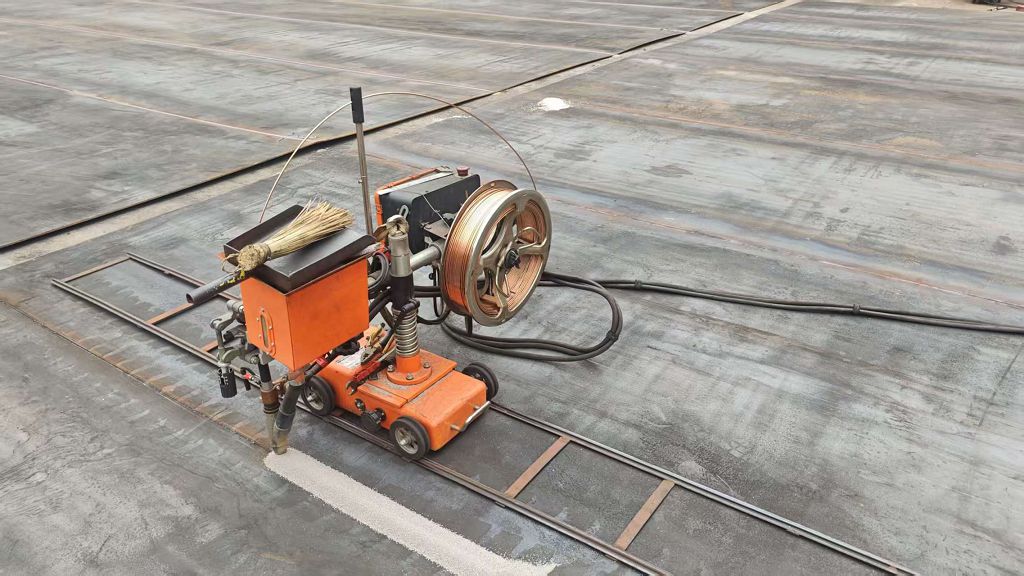
High-performance automatic welding machinery used for structural safety reinforcement.
Executing vessel space bookings is only one segment of the supply chain. Cameroon's customs environment is regulated, and non-compliance with local import protocols leads to demurrage penalties at the Port of Douala or Kribi.
The most critical document required for maritime cargo entry is the BESC (Bordereau Électronique de Suivi des Cargaisons), also known in English as the ECTN (Electronic Cargo Tracking Note).
Shenzhen Leoti Logistics provides support to shippers by coordinating BESC certificate validation alongside initial vessel booking services, reducing port clearance friction on arrival.
Shenzhen Leoti Logistics Co., Ltd. is a modern international logistics company dedicated to providing comprehensive and efficient global freight solutions. The company primarily specializes in import and export freight forwarding, including air freight, ocean shipping, international express delivery, rail transport, and road transportation services.
In addition to core transportation services, Leoti Logistics offers a full range of one-stop logistics solutions, such as customs clearance, warehousing, cargo consolidation, trailer transportation, and trade agency services. Our goal is to simplify global trade for our clients by providing seamless end-to-end logistics support.
As a trusted booking agent for multiple leading shipping lines and airlines, the company is able to secure competitive cargo space in major global port cities, including Shenzhen, Guangzhou, Shanghai, Ningbo, Xiamen, Qingdao, Tianjin, Dalian, Beijing, and Lianyungang. Through strong partnerships with local warehouses, trucking fleets, and customs brokers, Leoti ensures smooth and efficient operations at every major port.
Over the years, Shenzhen Leoti Logistics has actively expanded its overseas logistics network. Today, we cooperate with more than 200 global agents covering Europe, North America, South America, Africa, Oceania, Central Asia, and Southeast Asia. This extensive network allows us to provide reliable international air freight, sea freight, express delivery, customs clearance, and last-mile delivery services worldwide.
Our overseas operations team maintains 24/7 real-time communication with international partners, ensuring timely coordination and secure handling of all shipments. This continuous communication helps guarantee cargo safety, operational efficiency, and customer satisfaction.
Leoti Logistics is proud of its strong core advantages. Our experienced and highly professional logistics team is well-versed in international shipping procedures and has in-depth knowledge of customs regulations and trade policies across different countries. This expertise enables us to design precise logistics solutions, effectively reduce operational risks, and optimize costs for our clients.
Supported by an advanced logistics information system, we provide real-time tracking throughout the entire transportation process. Customers can monitor their shipments at any time with full transparency and confidence.
At Shenzhen Leoti Logistics, we always adhere to a customer-first service philosophy. From order placement to final delivery, we offer personalized, one-on-one service to ensure that every client’s needs are responded to quickly and handled professionally.
Looking ahead, Shenzhen Leoti Logistics Co., Ltd. will continue to expand its global presence, enhance service quality, and strengthen its integrated logistics capabilities. Our vision is to become a leading international logistics enterprise and contribute to the growth and efficiency of global trade.
Essential insights for importers and exporters managing cargo space bookings to Cameroon and West African ports.
Select from our specialized logistics services, equipment exports, and port-specific freight allocations.
Consult with our senior vessel space controllers to secure competitive freight rates, protect space allocations, and confirm regulatory compliance for your upcoming shipments.
Send Inquiry Now Leoti Logistics