Optimized door-to-door, DDP, and LCL shipping pathways engineered for rapid transit and preservation of industrial assets.

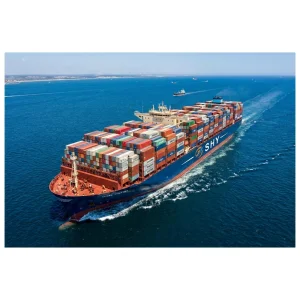
The global food and beverage (F&B) industry demands an exceptionally rigorous logistics infrastructure. Unlike dry cargo, F&B logistics operates under tight windows governed by thermodynamic shelf life, biological decay, and complex multi-jurisdictional food safety mandates. Global trade volumes show that temperature-controlled shipping (cold-chain) and dry bulk food logistics comprise over 18% of the world's maritime and air cargo services.
As international supply lines stretch across continents, logistics providers face structural pressures: rising fuel surcharges, port congestions, and stringent localized sanitary and phytosanitary (SPS) inspections. Modern food manufacturing factories require just-in-time delivery of raw ingredients to prevent line shutdowns, while retail distribution centers necessitate flawless last-mile delivery to guarantee product quality.
Organizations must secure alignment with critical compliance frameworks including the US FDA Food Safety Modernization Act (FSMA), EU Regulation 852/2004, and international HACCP standards to prevent cargo rejections at destination ports.
How Shenzhen Leoti Logistics Co., Ltd. drives global trade optimization through multi-modal routes and infrastructure integration.
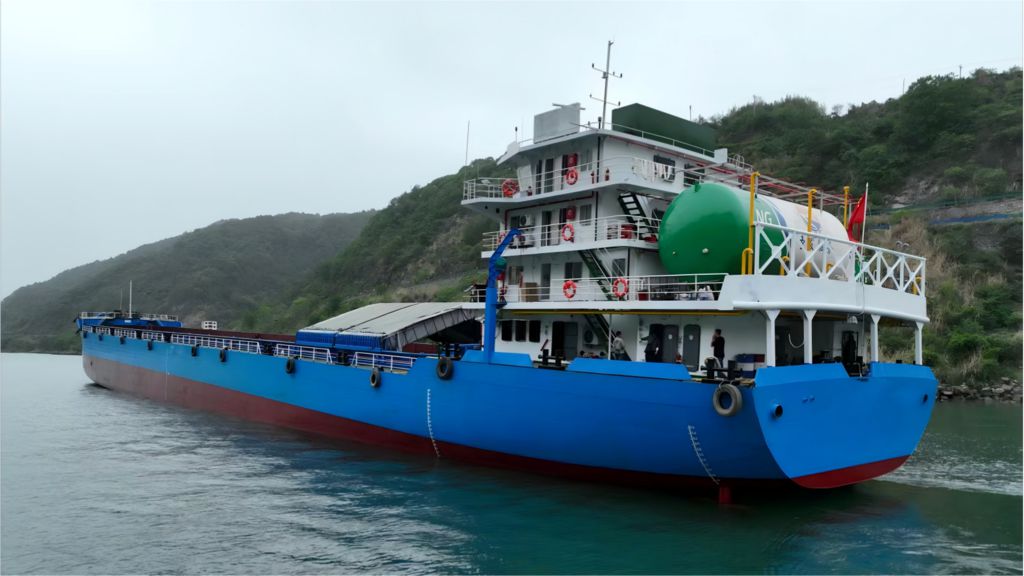
Shenzhen Leoti Logistics Co., Ltd. is a modern international logistics company dedicated to providing comprehensive and efficient global freight solutions. The company primarily specializes in import and export freight forwarding, including air freight, ocean shipping, international express delivery, rail transport, and road transportation services.
In addition to core transportation services, Leoti Logistics offers a full range of one-stop logistics solutions, such as customs clearance, warehousing, cargo consolidation, trailer transportation, and trade agency services. Our goal is to simplify global trade for our clients by providing seamless end-to-end logistics support.
As a trusted booking agent for multiple leading shipping lines and airlines, the company is able to secure competitive cargo space in major global port cities, including Shenzhen, Guangzhou, Shanghai, Ningbo, Xiamen, Qingdao, Tianjin, Dalian, Beijing, and Lianyungang. Through strong partnerships with local warehouses, trucking fleets, and customs brokers, Leoti ensures smooth and efficient operations at every major port.
Over the years, Shenzhen Leoti Logistics has actively expanded its overseas logistics network. Today, we cooperate with more than 200 global agents covering Europe, North America, South America, Africa, Oceania, Central Asia, and Southeast Asia. This extensive network allows us to provide reliable international air freight, sea freight, express delivery, customs clearance, and last-mile delivery services worldwide.
China's unmatched status as a logistics infrastructure and hardware powerhouse underpins the robustness of global F&B cold chain systems. The physical machinery used in fabricating refrigerated shipping units (reefers), automated high-density cold storage racks, insulated ISO tanks, and sorting mechanisms is constructed utilizing advanced metallurgical and assembly techniques.
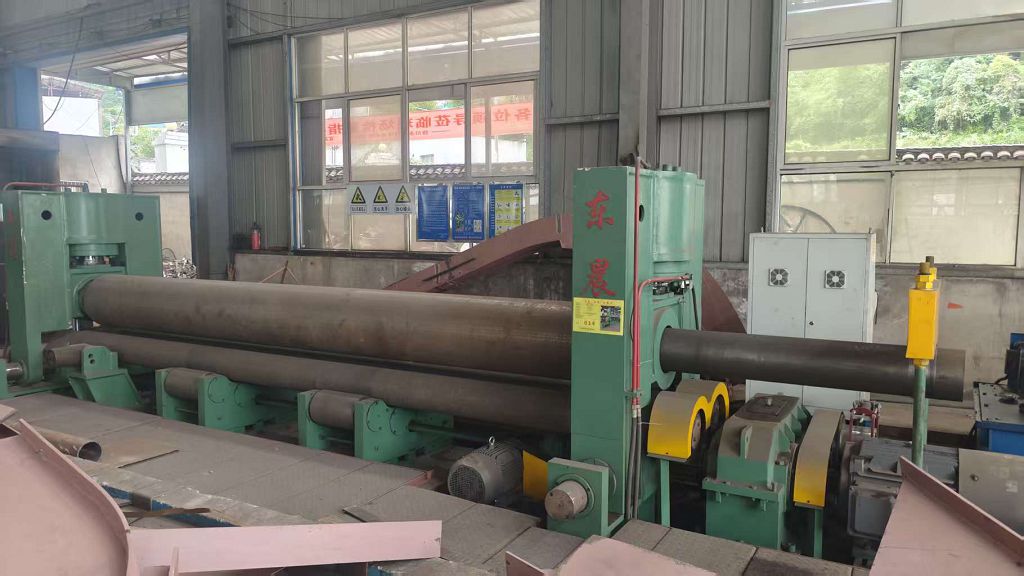
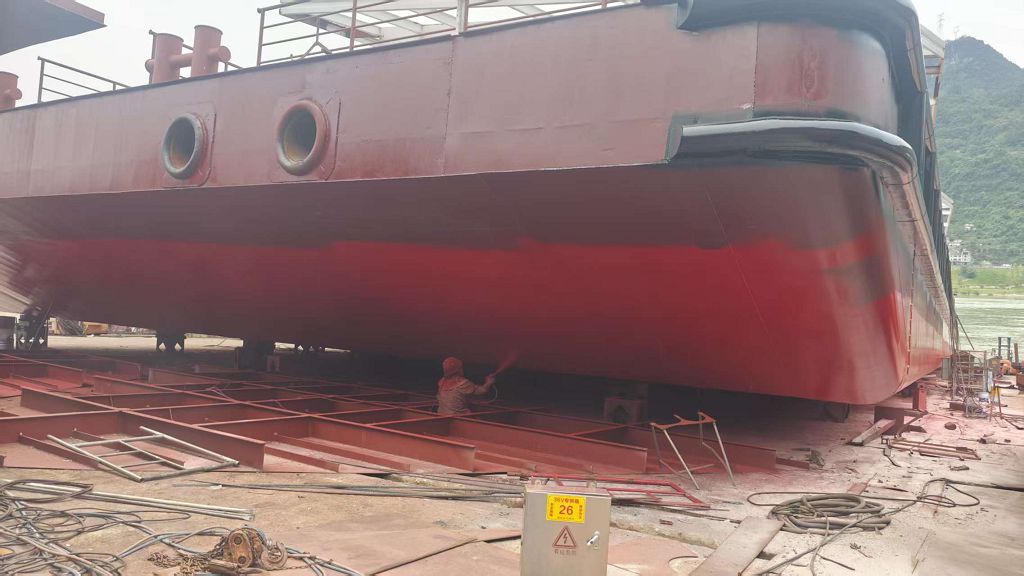
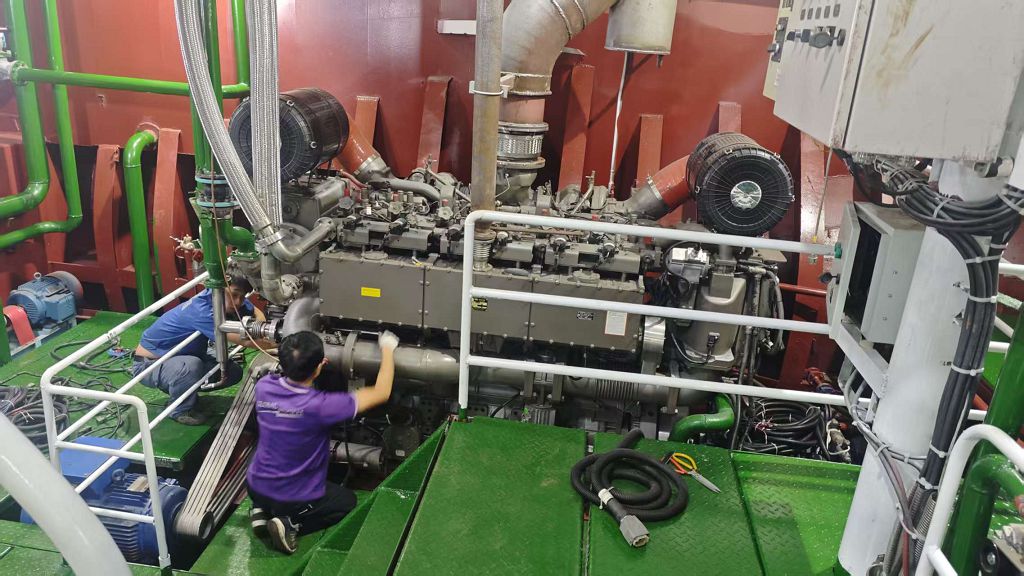
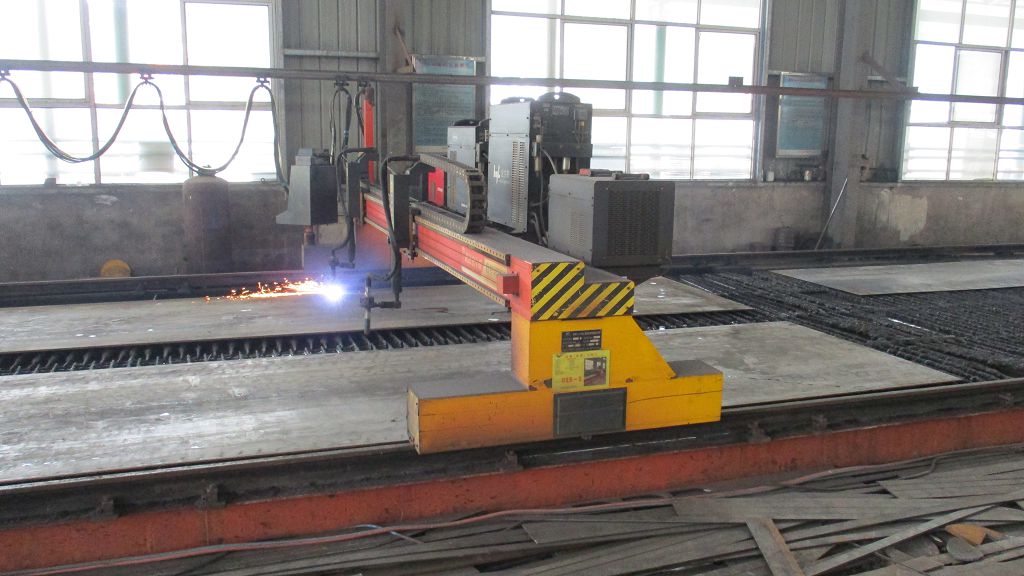
From high-precision CNC laser cutting to robotic rolling and automated welding of structurally integrity-critical structural steel, Chinese industrial plants provide the underlying mechanical hardware that keeps food cargo safe from physical damage and temperature leakage. Shenzhen Leoti Logistics coordinates directly with heavy industrial manufacturing hubs to integrate structural logistics hardware with cloud-connected software systems.
This hardware reliability, combined with massive port networks (such as Shenzhen, Shanghai, and Ningbo), provides structural redundancy. If one route faces port disruptions, our integrated network quickly pivots to alternative gateways, maintaining continuous cold-chain operations.
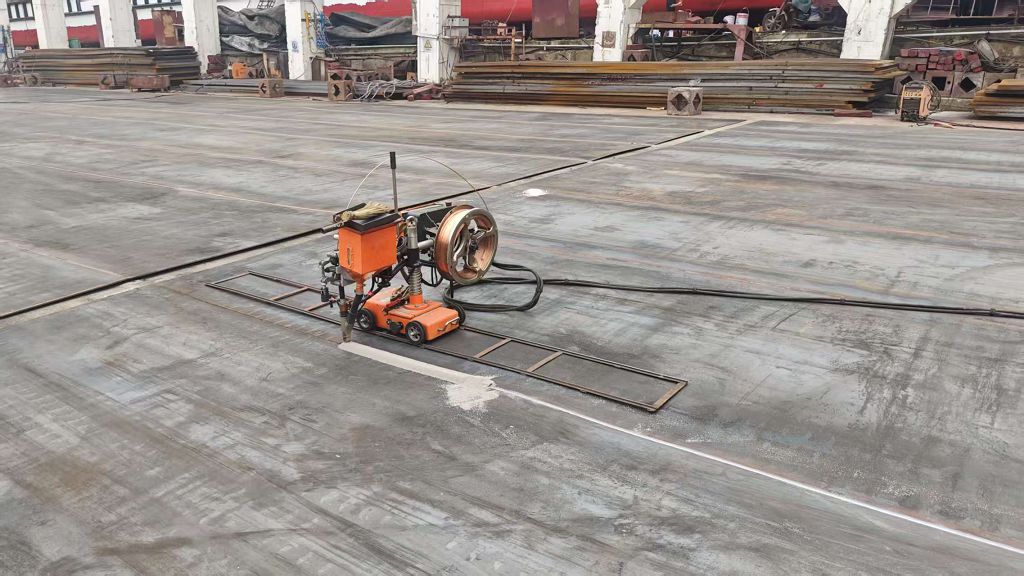
Technical workflow and machinery utilized in producing modern logistical hardware, cold-storage structural systems, and shipping chassis.
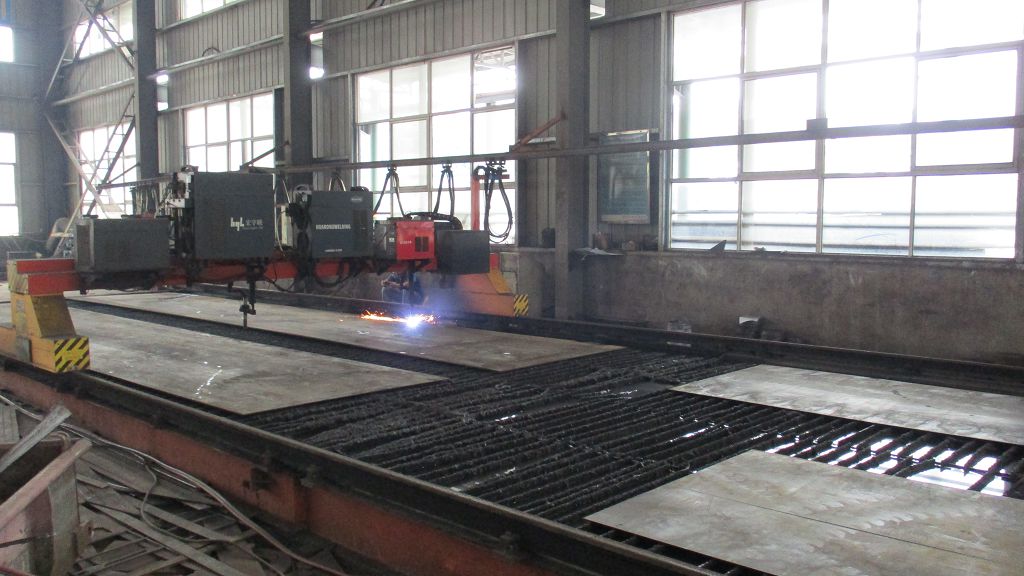
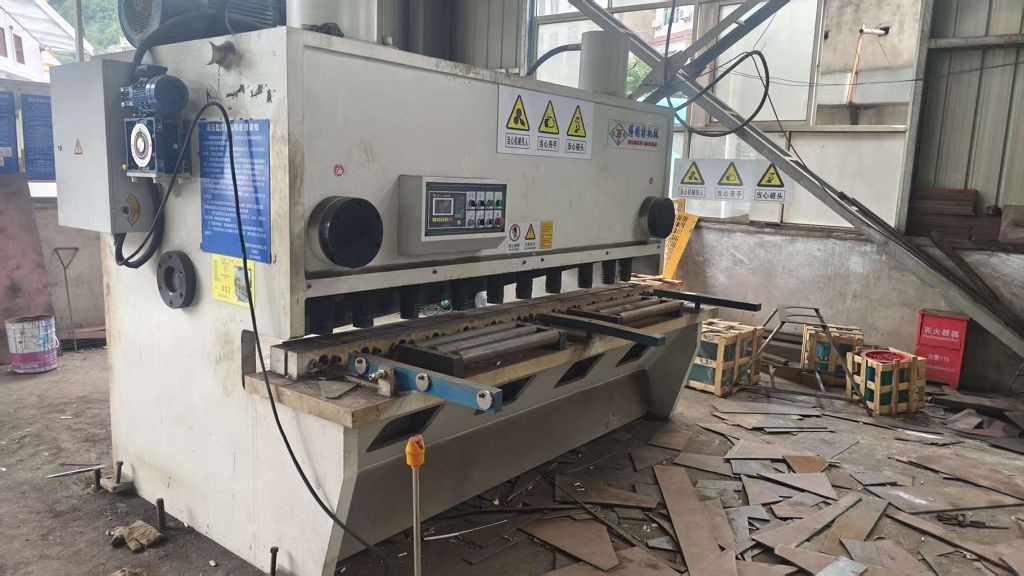
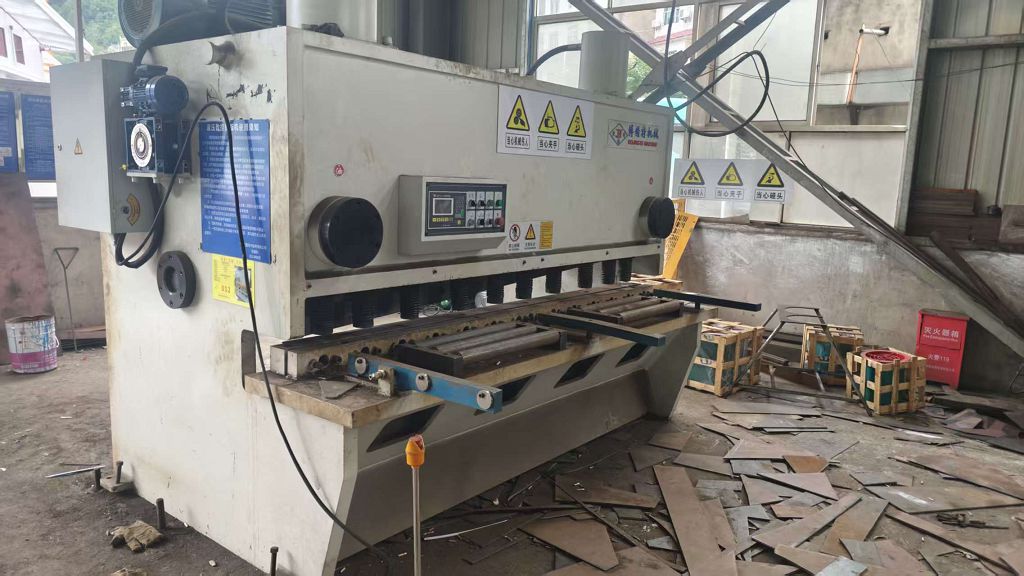
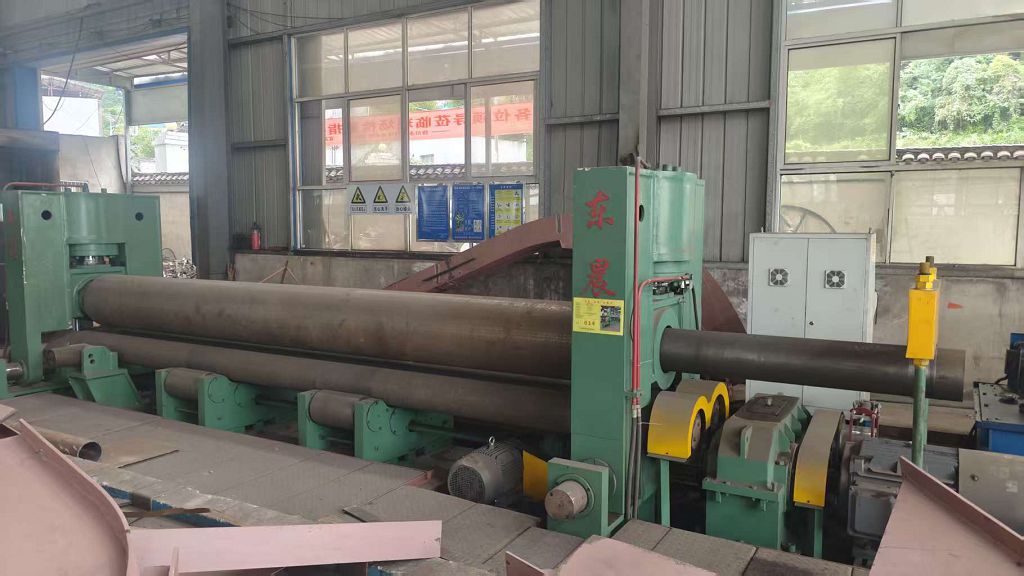
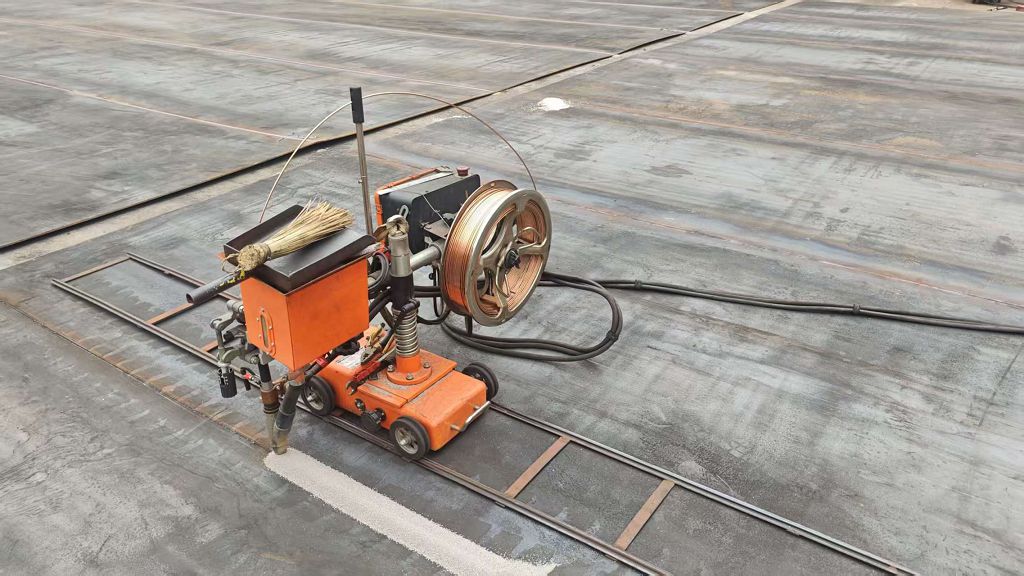
The progression of logistics towards autonomous operations, active carbon monitoring, and semantic-blockchain coordination.
Transitioning from passive data logging to active telemetry. Installing real-time temperature, humidity, and shock-monitoring sensors inside reefers to guarantee complete visibility during sea and air transits.
Integrating machine learning algorithms that parse historical port congestion, weather fluctuations, and terminal delays to automatically reroute high-priority food shipments before bottlenecks occur.
Enabling a decentralized ledger system where growers, freight forwarders, customs brokers, and end retailers log data on an immutable record. This guarantees compliance with upcoming strict food tracing regulations.
Deploying hybrid fuel engines, hydrogen-powered last-mile logistics fleets, and reefers lined with bio-degradable insulating polymers to minimize the carbon footprint of global food cold chains.
A primary reason international shipments face delays is not the mechanical transport, but compliance failure at regional border gates. Different regions enforce contrasting guidelines: the United States relies on FDA customs bond controls; the European Union enforces TRACES (Trade Control and Expert System); and the Middle East, specifically ports like Salalah, Oman or Jebel Ali, UAE, requires compliance with specific Halal documentation and GSO regulations.
Shenzhen Leoti Logistics resolves these barriers by deploying local custom brokers in every target country. By managing shipping under DDP (Delivered Duty Paid) frameworks, we handle the payment of duties, tax handling, import declarations, and compliance checks on behalf of the buyer. This operational method prevents demurrage fees and cargo spoilage at customs.
Whether transporting LCL cargo, consolidated dry foodstuffs, or temperature-regulated reefers, our overseas teams communicate continuously to clear paperwork before the cargo vessel arrives at the port of discharge.
Expert insights on food and beverage shipping methods, temperature control, and customs clearance protocols.
Comprehensive cargo forwarding, FCL consolidation, and rapid charter programs designed to bridge manufacturing hubs with international markets.

 Leoti Logistics