Seamless multimodal shipping channels matched with robust clearing operations worldwide
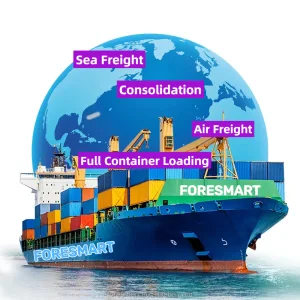
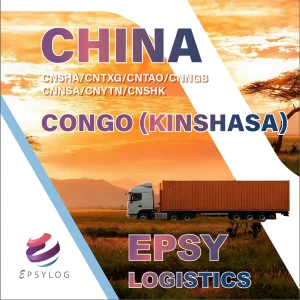
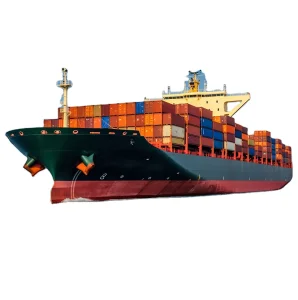
The Foundation of Shenzhen Leoti Logistics Co., Ltd.
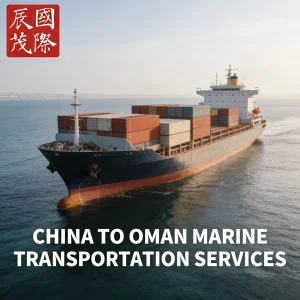
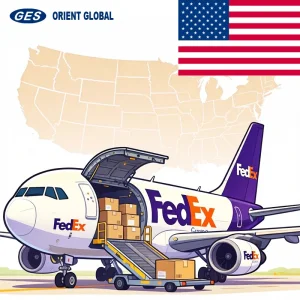
Shenzhen Leoti Logistics Co., Ltd. is a modern international logistics company dedicated to providing comprehensive and efficient global freight solutions. The company primarily specializes in import and export freight forwarding, including air freight, ocean shipping, international express delivery, rail transport, and road transportation services.
In addition to core transportation services, Leoti Logistics offers a full range of one-stop logistics solutions, such as customs clearance, warehousing, cargo consolidation, trailer transportation, and trade agency services. Our goal is to simplify global trade for our clients by providing seamless end-to-end logistics support.
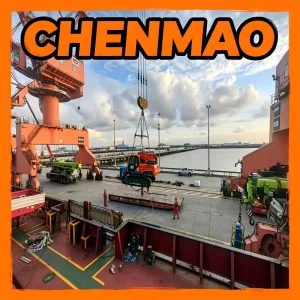
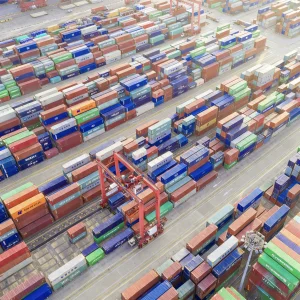
As a trusted booking agent for multiple leading shipping lines and airlines, the company is able to secure competitive cargo space in major global port cities, including Shenzhen, Guangzhou, Shanghai, Ningbo, Xiamen, Qingdao, Tianjin, Dalian, Beijing, and Lianyungang. Through strong partnerships with local warehouses, trucking fleets, and customs brokers, Leoti ensures smooth and efficient operations at every major port.
Over the years, Shenzhen Leoti Logistics has actively expanded its overseas logistics network. Today, we cooperate with more than 200 global agents covering Europe, North America, South America, Africa, Oceania, Central Asia, and Southeast Asia. This extensive network allows us to provide reliable international air freight, sea freight, express delivery, customs clearance, and last-mile delivery services worldwide.
Our overseas operations team maintains 24/7 real-time communication with international partners, ensuring timely coordination and secure handling of all shipments. This continuous communication helps guarantee cargo safety, operational efficiency, and customer satisfaction.
Deciphering the complexities of cross-border customs procedures, tariffs, and localized regulations
Cross-border trade demands hyper-localized expertise. In jurisdictions such as the United States (under CBP regulations and Section 321 de minimis thresholds) and the European Union (governed by Union Customs Code and Import Control System 2 - ICS2), we act as a secure legal bridge. We guarantee precision in filing Importer Security Filings (ISF), managing customs bonds, and executing entry declarations to mitigate risk.
A single digit error in a Harmonized System (HS) code can trigger customs delays, penalization, or retroactive audits. Our certified specialists review commercial invoices to match products with their exact classifications. Whether importing complex prefabricated structural profiles or high-demand electronics, we ensure correct duties are paid, preventing costly holds.
Global logistics is increasingly shaped by anti-dumping duties, countervailing duties (CVD), and specific regional environmental acts (such as the EU's Carbon Border Adjustment Mechanism - CBAM). Our advisory team conducts pre-export audits to evaluate tariff exposure, helping global buyers optimize supply chain costs and maintain clean compliance records.
As the world's primary industrial producer, China's manufacturing clusters in the Pearl River Delta (Shenzhen, Guangzhou) and Yangtze River Delta (Shanghai, Ningbo) offer unparalleled structural advantages. These hubs facilitate rapid supply chain consolidation, enabling raw materials to be processed, fabricated, packed, and cleared under unified logistics workflows.
Combining multiple vendor shipments into FCL or structured LCL shipments directly near major ports saves up to 30% in inland transportation costs.
By handling customs declaration directly at major economic zones, cargo avoids multi-tier inspection protocols, speeding up the transit by 48-72 hours.
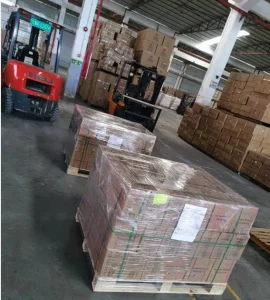
Proximity to industrial processing allows immediate, specialized crating, container loading, and tailored packaging for high-value components.
Designing specialized solutions that match high-volume purchasing with strict compliance frameworks
Large-scale global buyers, multinational corporations, and infrastructure developers operate on strict schedules where even a single day's delay impacts downstream production lines. When purchasing products such as industrial modules, steel frameworks, or bulk consumer goods, logistics becomes a core competitive factor. Enterprise purchasers seek three main elements:
Procurement executives demand clear shipping pipelines. Our Delivered Duty Paid (DDP) and Delivered Duty Unpaid (DDU) models provide complete cost transparency, integrating shipping, custom tariffs, administrative fees, and local truck delivery into a single cost structure.
Our team monitors compliance protocols across jurisdictions, utilizing modern software to track documentation changes. We cross-verify commercial invoices, packing lists, and certificates of origin before container dispatch.
When ocean channels experience congestion, enterprise supply chains need to adapt quickly. We support rapid transitions between sea shipping, air express, and trans-continental rail routes to ensure continuous cargo flow.
Custom steel framework processing, heavy-duty cargo crating, and advanced shipping container reinforcement
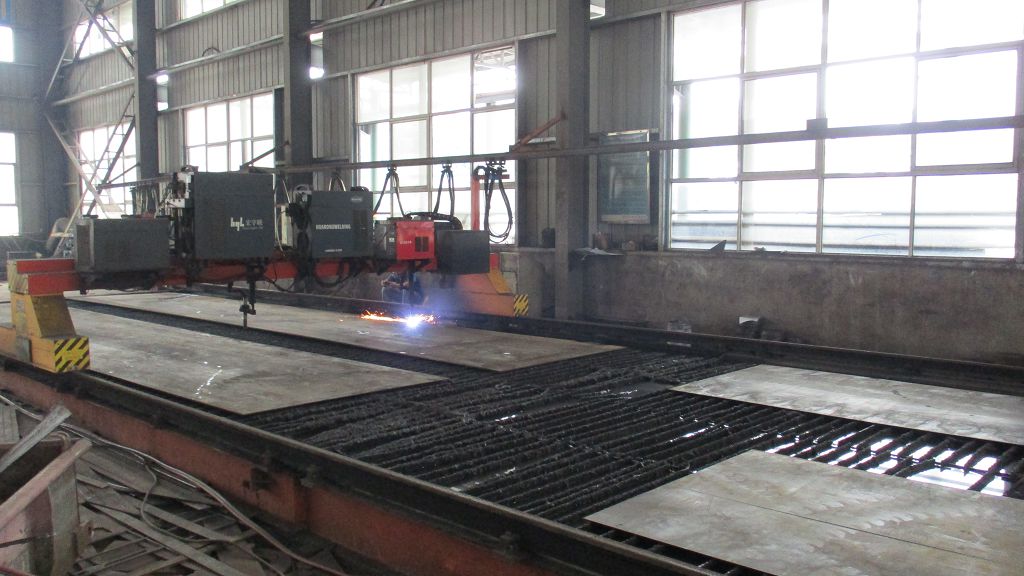
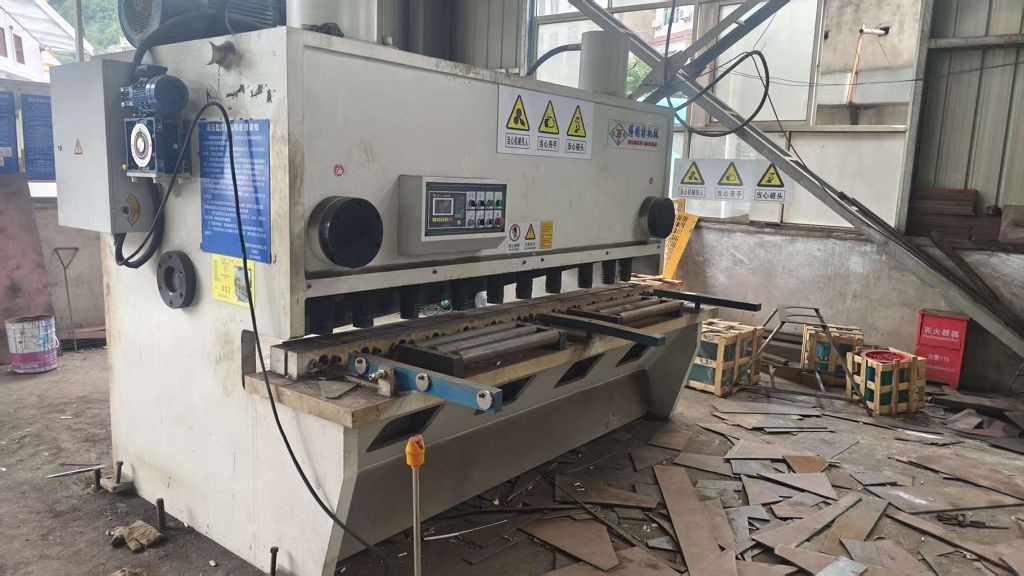
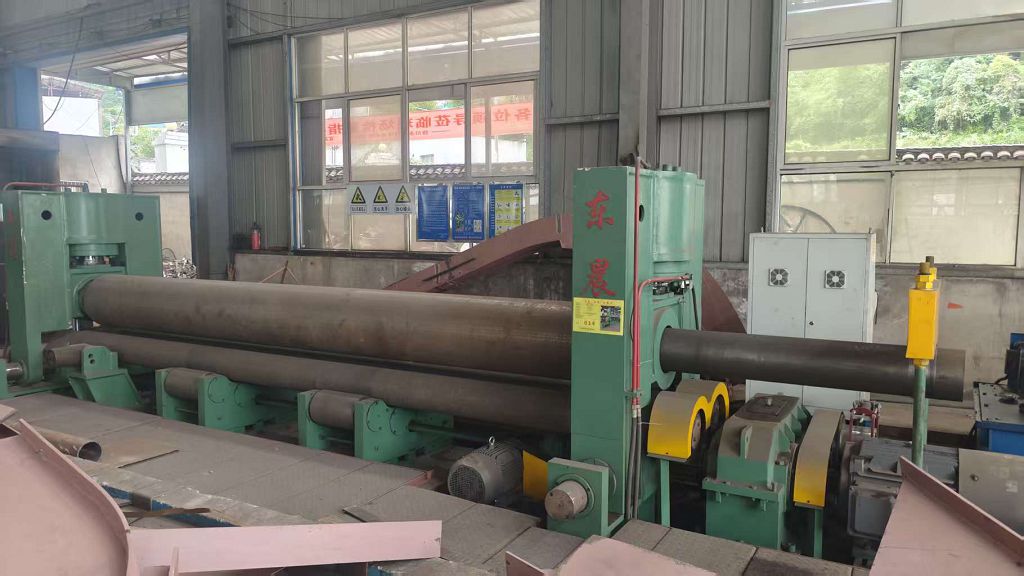
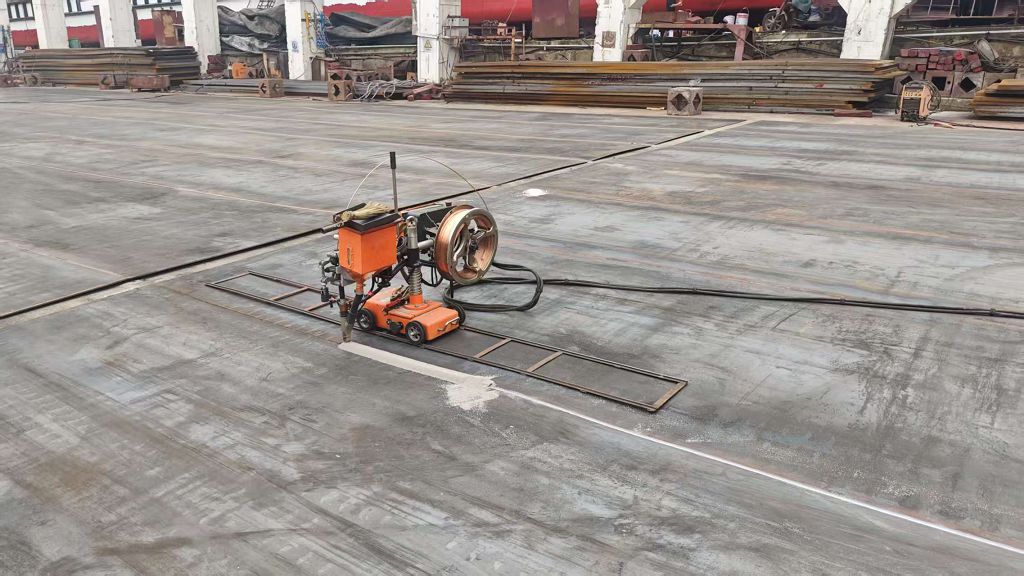
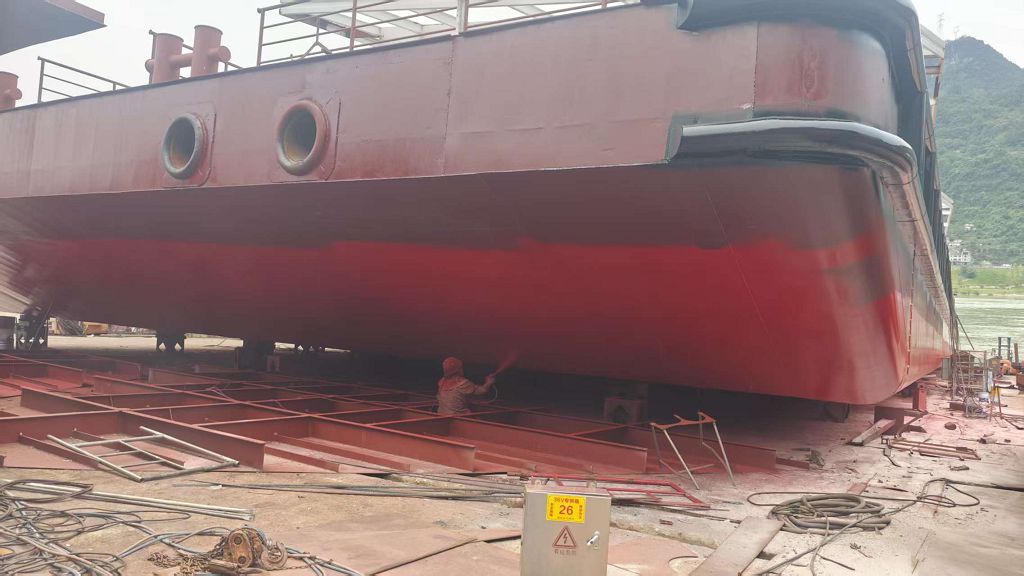
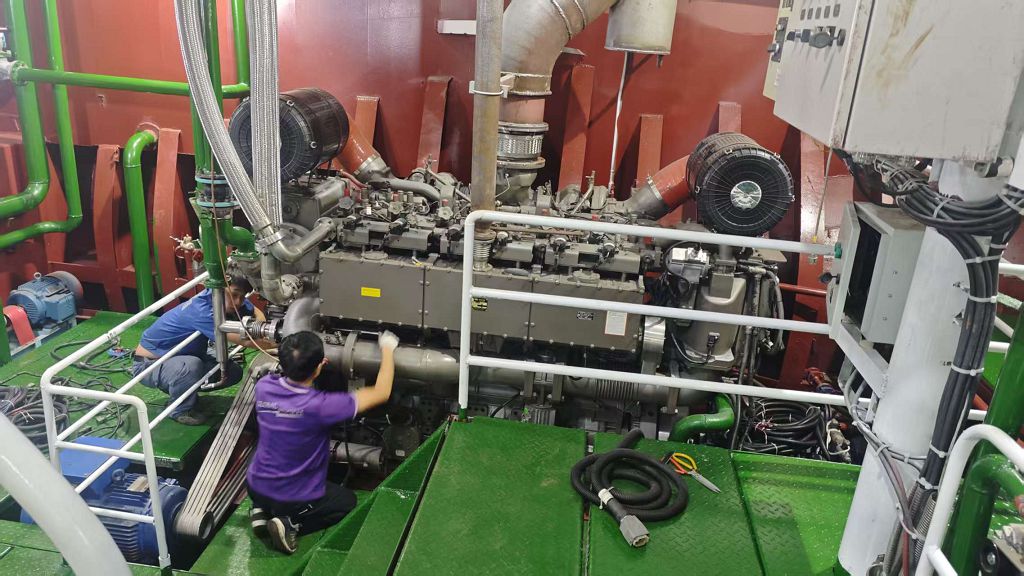
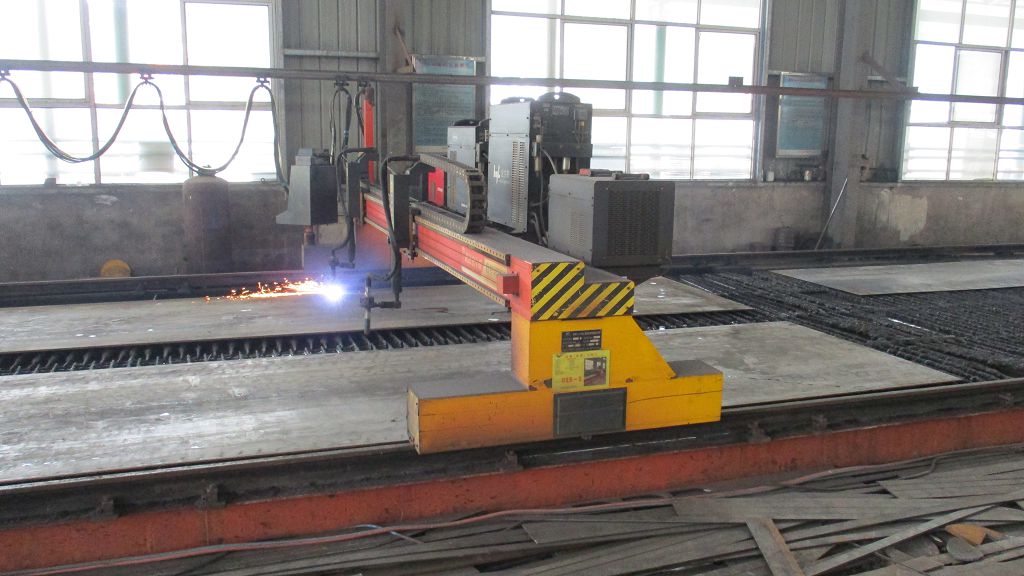
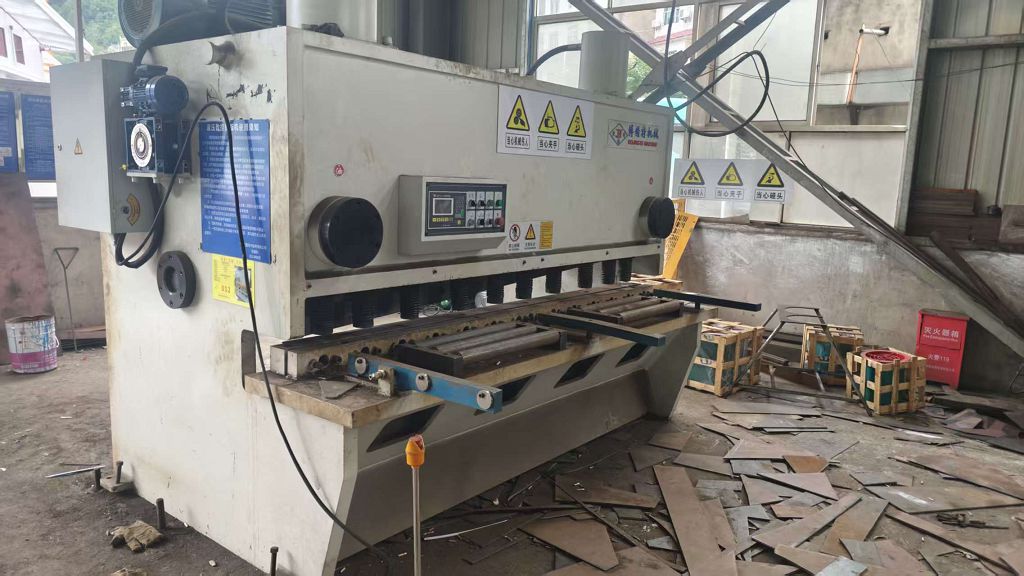
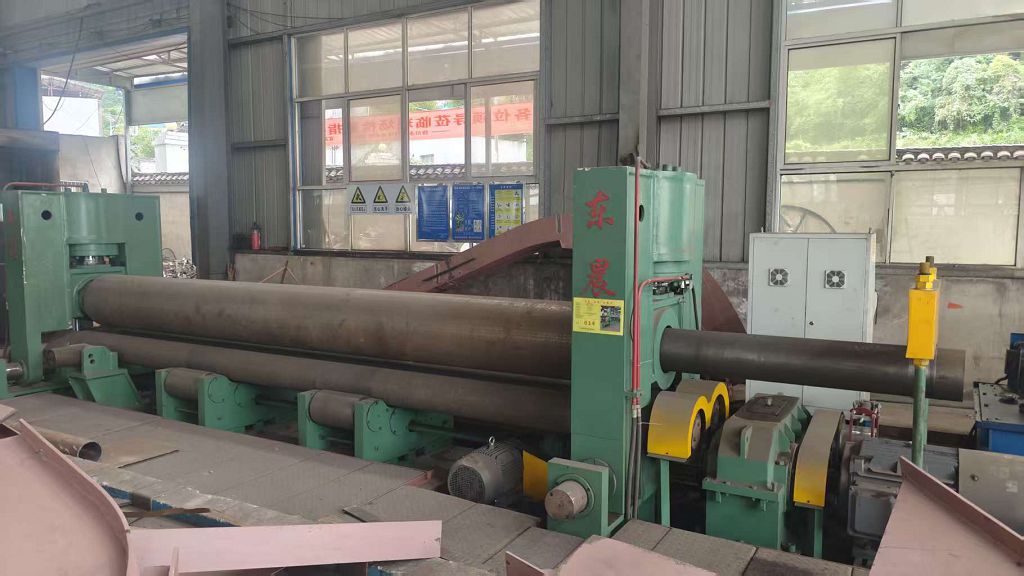
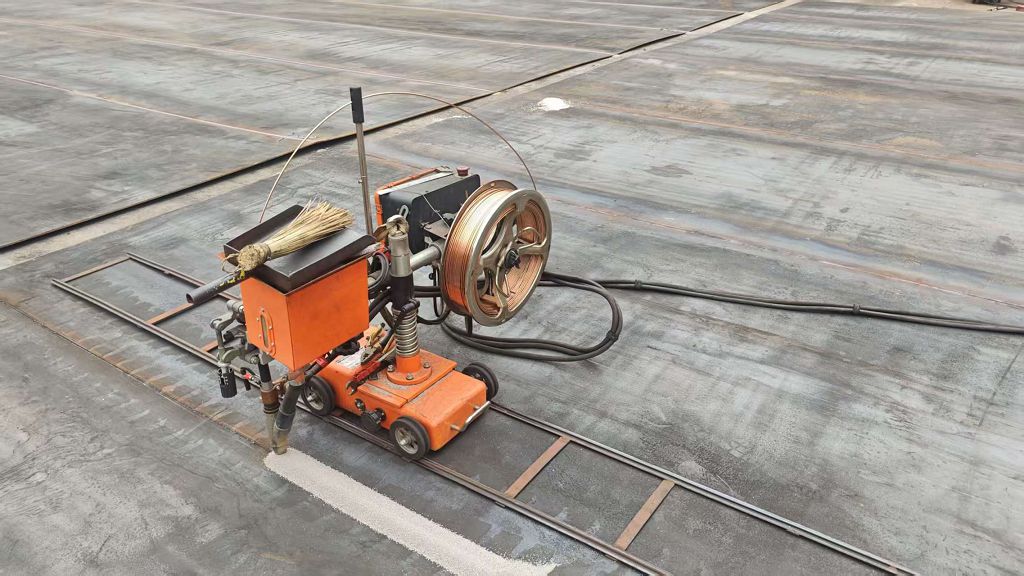
Beyond traditional freight forwarding, Leoti Logistics integrates heavy-duty industrial logistics services. Heavy industrial projects, modular prefabrication transport (such as Modular Prefabricated FRP Support Profiles for Airport Construction), and high-value machinery require specialized transport casing, metal crating, structural support bracing, and protective structural engineering. Our specialized industrial division utilizes advanced fabrication equipment—including high-precision Laser Cutting, Shearing, Rolling, and Automatic Welding machines—to manufacture custom steel container racks, heavy-duty cargo cradles, and secure transport frames. This guarantees that complex, oversized, or high-value industrial cargo survives transoceanic journeys without structural deflection or damage.
How customized transport and clearing strategies keep critical sectors moving
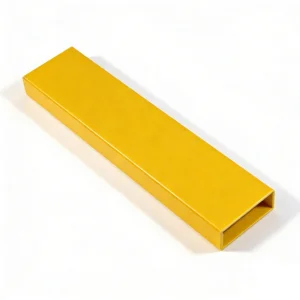
Airport constructions, highway developments, and modular plant builds rely heavily on importing materials like Prefabricated FRP Support Profiles. Due to their oversized nature, these require Flat Rack or Breakbulk cargo configurations. We coordinate with local ports, such as Sohar Port in Oman, managing heavy-haul trailers and arranging immediate customs release to keep project timelines on schedule.
For high-volume retail shipments heading to the USA, UK, or Europe, we deploy specialized Air Express and LCL networks. By utilizing direct shipping lines coupled with advanced digital customs integration, we clear small-parcel batches and palletized retail freight under simplified de minimis pathways, minimizing customs holdups.
Transporting precision machinery, laser cutters, or massive stamping presses requires secure packaging and careful customs compliance. Utilizing our internal metalworking facilities, we construct custom steel frames to secure machinery within containers. We also manage import duty exemptions and temporary import visas (ATA Carnet) for trade show displays or short-term projects.
Staying ahead of changes in automated customs filing, electronic documentation, and sustainable freight
The global logistics sector is undergoing significant changes driven by regulatory updates and technological advancements. As customs agencies worldwide adopt digital technologies, exporters and importers must adapt to stay compliant and efficient.
1. Single-Window Customs Portals: Customs authorities are moving toward single-window systems that connect port operators, customs, agriculture departments, and tax agencies on a single platform. This reduces paperwork and streamlines clearance, but requires exporters to submit complete and accurate digital datasets before vessel departure.
2. AI-Driven Compliance Verification: Customs agencies are increasingly using artificial intelligence to screen shipping manifests, identify tariff evasion, and flag mismatching HS codes. Importers can no longer rely on manual verification; automated compliance systems are now essential for managing high-volume global trade.
3. Eco-Conscious Logistics: Global businesses are prioritizing carbon footprint tracking across their supply chains. Sustainable shipping practices—such as routing optimization, cleaner fuel options, and efficient consolidation—are becoming key requirements for enterprise logistics contracts.
Direct answers from our compliance experts to help resolve common import-export challenges
Reliable shipping channels, customs brokerage, and specialized transport systems
 Leoti Logistics