Reliable DDP freight forwarding, shipping agents, and industrial components directly integrated into your supply infrastructure.
Evaluating macro-market trends and structural shifts in global supply chains toward variable-cost logistics assets.
Modern global logistics is undergoing a profound paradigm shift. As corporate logistics managers navigate volatile shipping rates, geopolitical disruptions, and fluctuating consumer demand, the traditional asset-heavy strategy of owning container fleets has become increasingly unsustainable. Instead, the global market is shifting toward flexible container leasing services as a strategic alternative to preserve capital expenditure (CAPEX) and transition logistics costs into operational expenditures (OPEX).
Container leasing services provide enterprises with the agility required to scale up cargo volumes during seasonal peaks (such as the Q3 pre-holiday rush) and scale down when inventories stabilize. With the rise of IoT-enabled cargo tracking, smart containers now feature embedded environmental sensors, GPS location transmitters, and digital seals. These technical advancements allow logistics directors to monitor real-time conditions of perishable or high-value goods while the leased containers traverse multi-modal systems, including road networks, rail corridors, and sea lanes.
Furthermore, decarbonization targets mandated by the International Maritime Organization (IMO) are forcing shipping fleets to optimize routing and container utilization. By leasing containers directly near primary manufacturing clusters, international exporters can significantly reduce empty container positioning costs—one of the largest hidden inefficiencies in global maritime freight today. This synergy between equipment leasing and digital asset tracking forms the baseline of next-generation intermodal supply chains.
A trusted, modern international logistics enterprise delivering end-to-end integration and optimized freight forwarding operations.
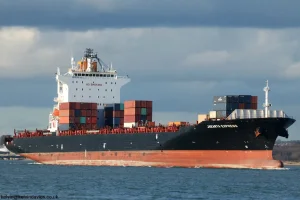
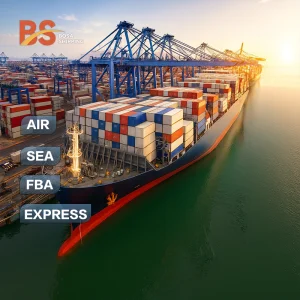
At the center of this logistics transformation stands Shenzhen Leoti Logistics Co., Ltd., a premier modern international logistics enterprise dedicated to engineering comprehensive and efficient global freight solutions. We specialize in complex import and export freight forwarding, providing unmatched services in international air freight, ocean shipping, global express courier networks, rail transport, and overland cross-border trucking.
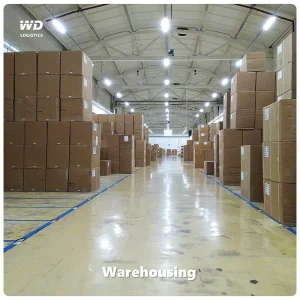
Rather than acting simply as a transport carrier, Leoti Logistics functions as an end-to-end strategic partner. We offer a full range of one-stop logistics solutions, including intricate customs clearance navigation, secure warehousing, bulk cargo consolidation, container trailer transportation, and professional trade agency operations. Our primary goal is to simplify global trade for our clients, neutralizing supply chain friction points via seamless end-to-end logistics support.
As a highly trusted booking agent for multiple leading global shipping lines and commercial airlines, Leoti Logistics maintains a robust network capable of securing priority cargo space in major Chinese port cities. Our core operations span key export nodes including Shenzhen, Guangzhou, Shanghai, Ningbo, Xiamen, Qingdao, Tianjin, Dalian, Beijing, and Lianyungang. By establishing strong partnerships with local container depots, warehousing networks, private trucking fleets, and on-site customs brokers, we ensure smooth and efficient logistics operations at every major port corridor.
Over the years, Shenzhen Leoti Logistics has systematically expanded its global operational footprint. Today, we cooperate with more than 200 global agents covering Europe, North America, South America, Africa, Oceania, Central Asia, and Southeast Asia. This deep international network empowers us to execute reliable, multi-port air freight, sea freight, express delivery, customs clearance, and last-mile delivery services worldwide. Our dedicated overseas operations team operates on a 24/7 basis, ensuring real-time communication with global partners, maintaining strict cargo safety, and optimizing transit efficiency for all our clients.
Inside the advanced manufacturing processes that secure structural integrity, high dimensional accuracy, and supply chain resilience for international container transport assets.
Container production is no longer a simple metalworking task. Under China's Factory 4.0 paradigm, state-of-the-art manufacturing facilities leverage automated precision machines, advanced metallurgy, and strict quality control protocols to build containers capable of withstanding rough oceanic weather, corrosive marine atmospheres, and heavy multi-modal handling.
By using high-grade Corten steel (known for its excellent atmospheric corrosion resistance) combined with advanced structural engineering, manufacturers can guarantee an average container lifespan of over 15 years under harsh marine environments. The fabrication workflow requires highly synchronized steps to ensure that every container, box, or chassis component conforms strictly to ISO international standards.
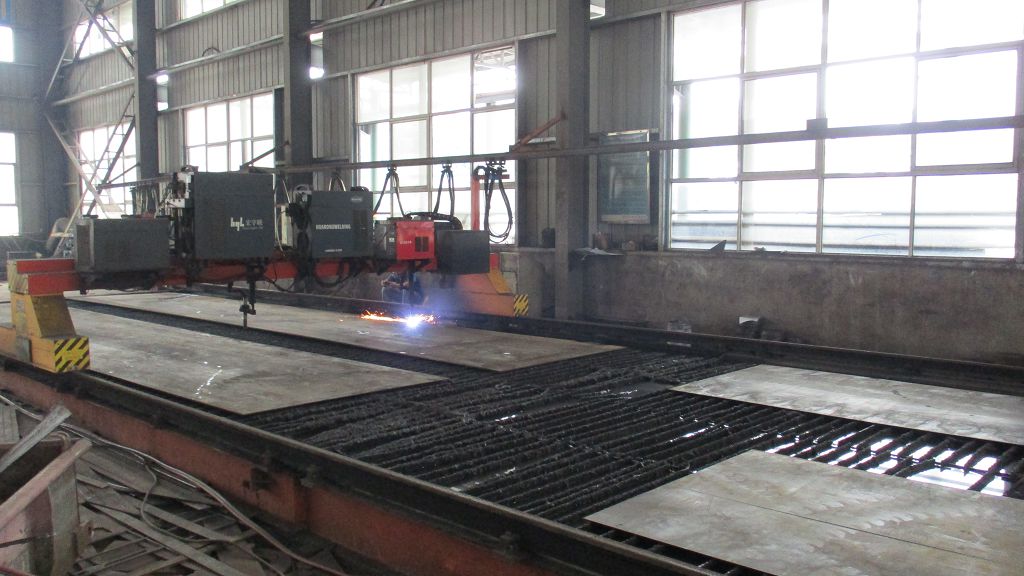
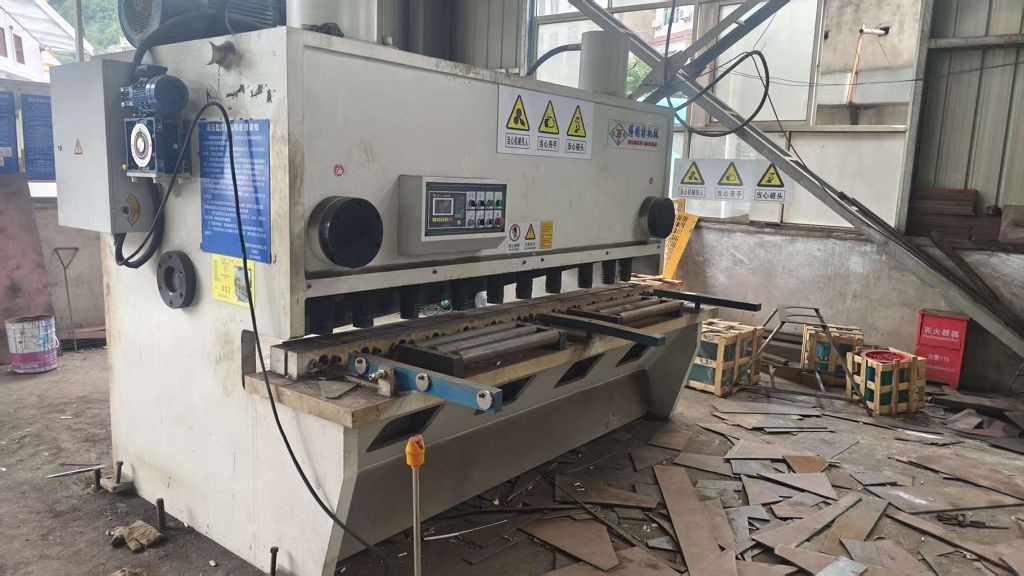
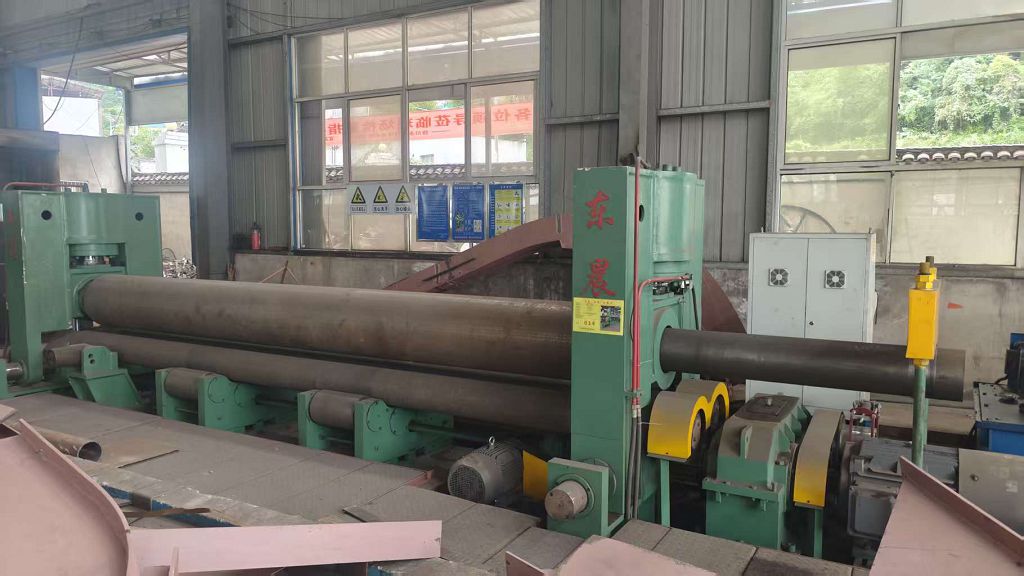
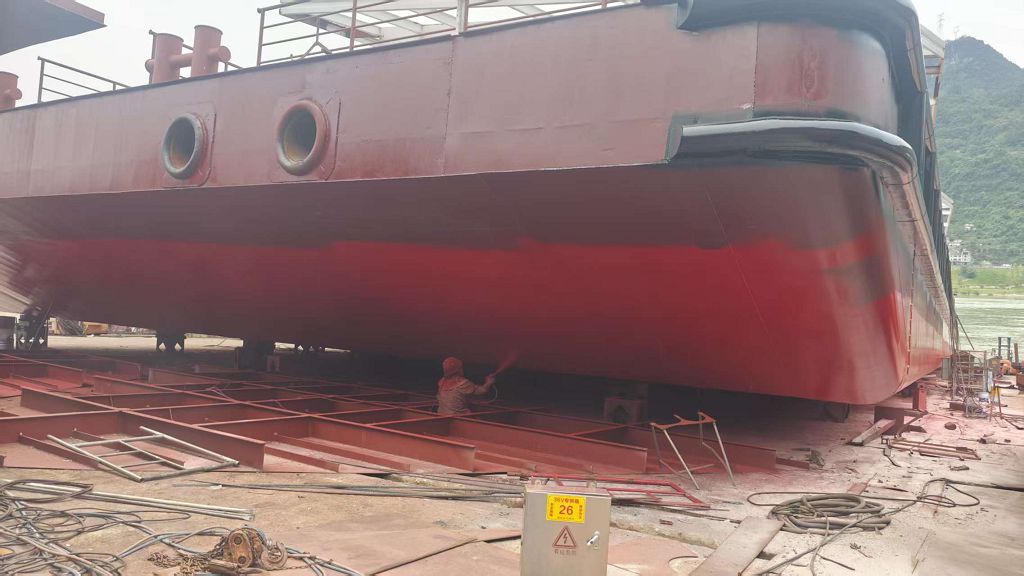
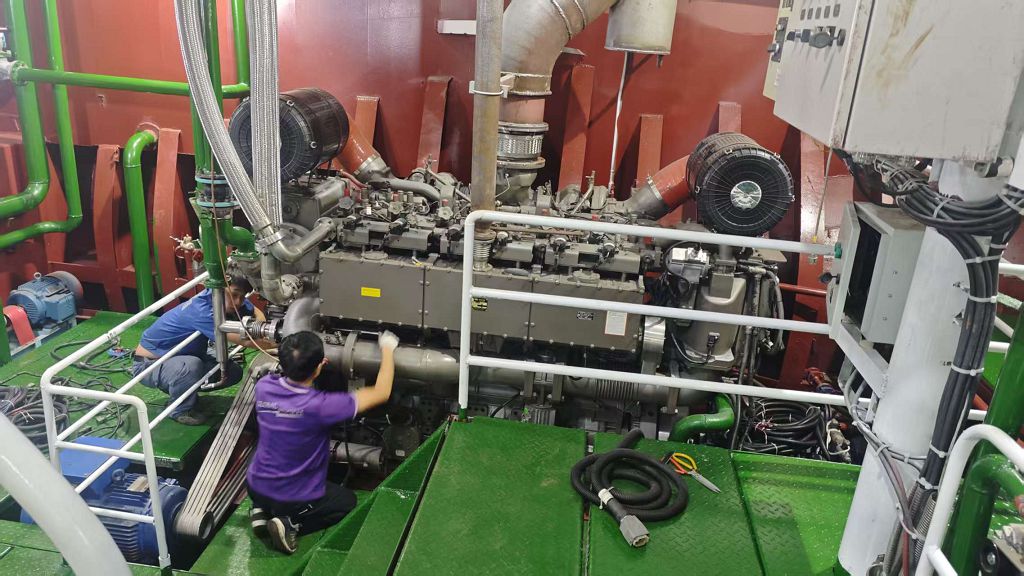
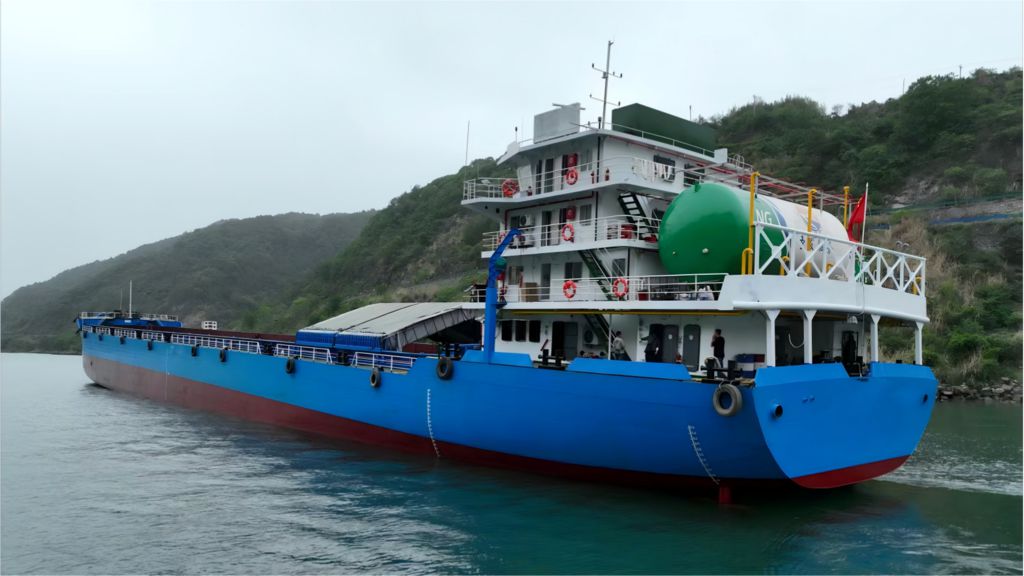
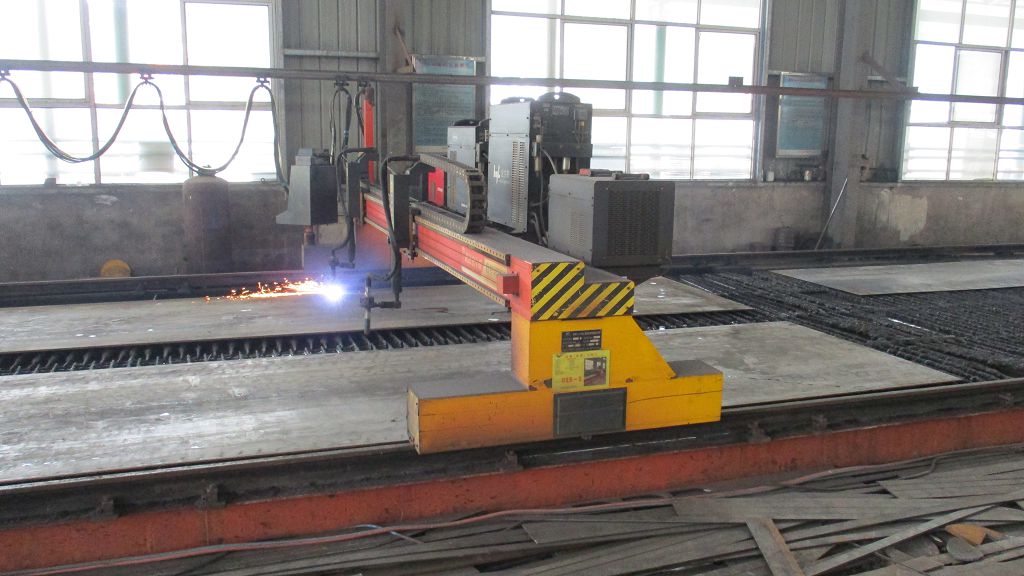
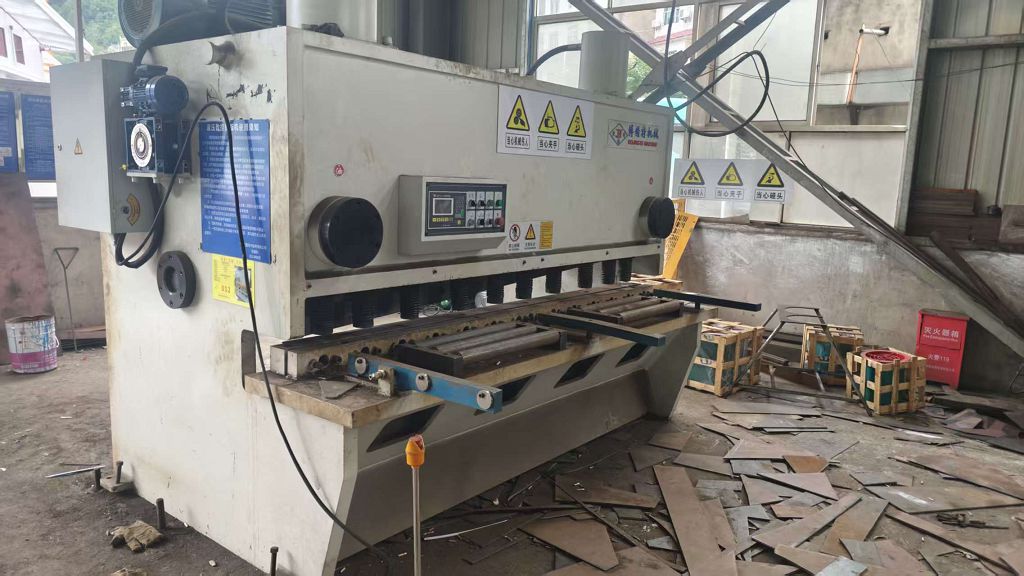
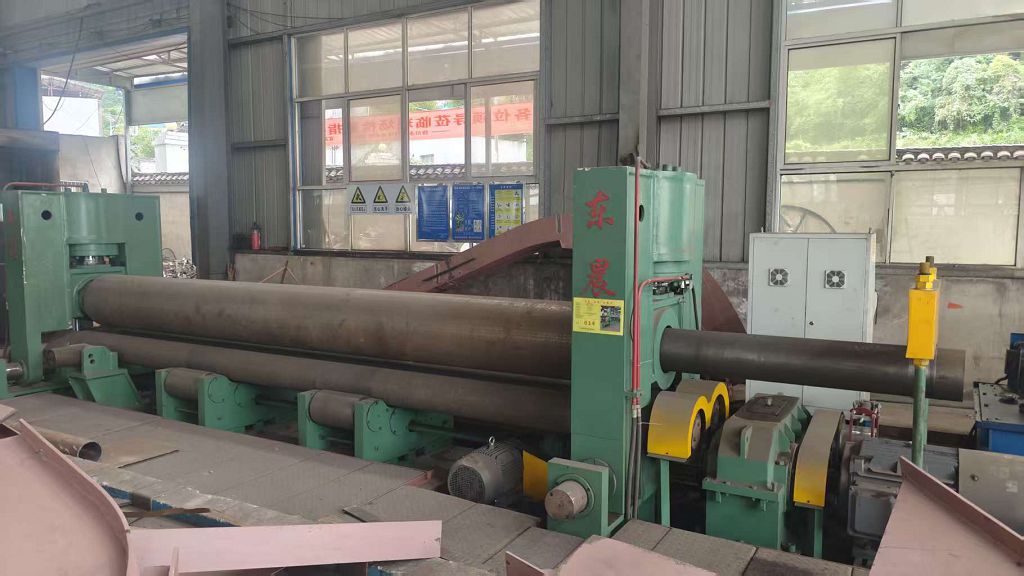
The manufacturing process begins with heavy-duty structural steel plates. Standard-sized components are processed via high-speed Laser Cutting Machines to achieve sub-millimeter edge tolerances. Next, Shearing Machines cut sheet metals into exact dimensions, which are then shaped through high-capacity Rolling Machines to build structural columns, side panel corrugations, and door frames.
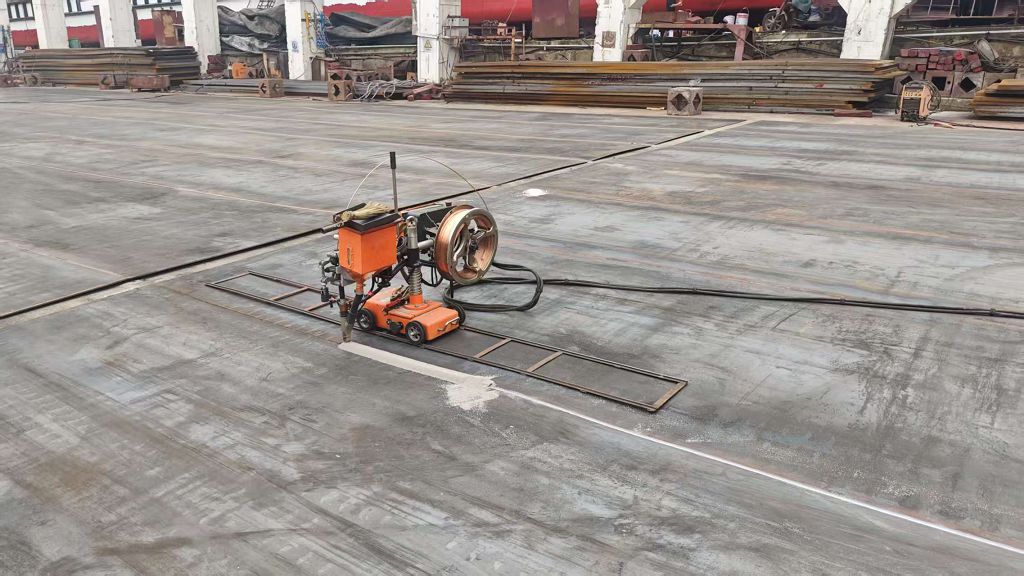
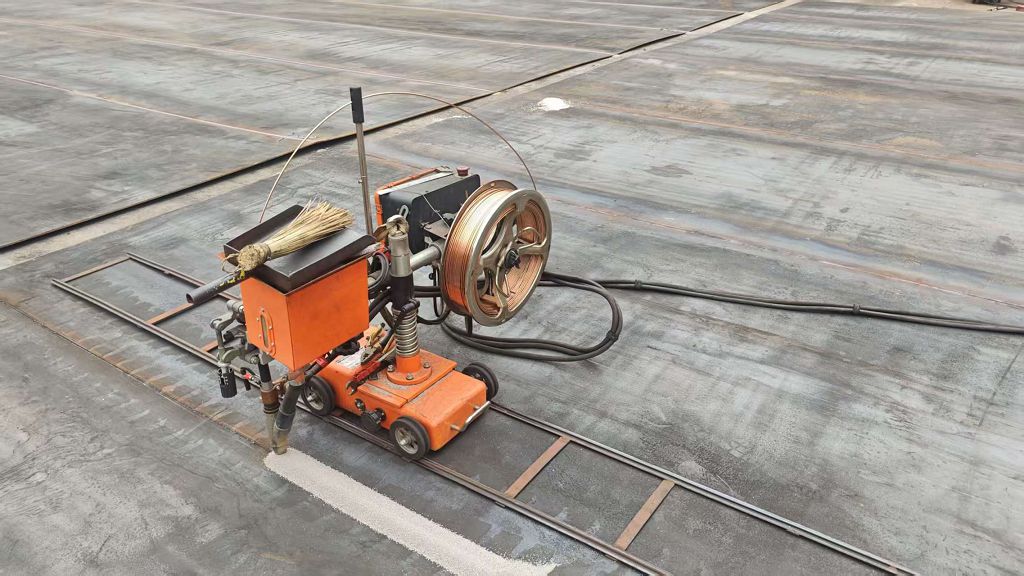
Once individual components are formed, advanced Automatic Welding Machines join the panels, corner castings, and floor sills. This process ensures structural unity and water-tight seams, critical for long-term cargo protection. Following assembly, the containers undergo multi-stage surface treatments, including shot-blasting to remove rust, and automated Painting chambers that apply zinc-rich primers and durable topcoats. Lastly, components go through final Assemblying (including door gaskets, locking bars, and wood flooring installation) to deliver a Finished Product ready to enter international intermodal service.
Understanding procurement trends, cost optimization strategies, and the demand for specialized container units in key industries.
Purchasing directors and supply chain managers look for specific qualities when sourcing container leasing services. They need to find a balance between lease rates, equipment availability, and return flexibility. In high-value sectors like automotive, consumer electronics, and fresh produce logistics, standard 20ft and 40ft dry vans are often not enough. Companies require specialized equipment, such as reefers (refrigerated containers), open-tops, flat racks, and high-cube units.
Strategic sourcing managers evaluate leasing agreements based on three main options:
By integrating flexible leasing options with reliable customs brokerage and local port trucking, importers can reduce demurrage and detention fees at congested hubs like Los Angeles, Rotterdam, or Singapore. This flexibility helps companies maintain stable supply chains during volatile market cycles.
Analyzing key geographic trade routes and custom transport strategies for modern industrial operations.
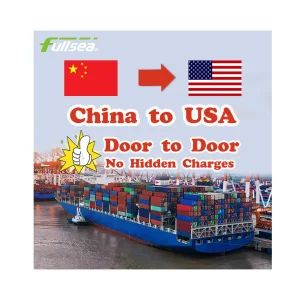
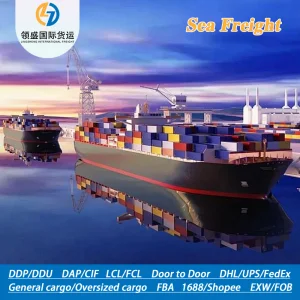
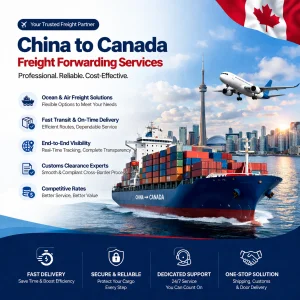
Shipping to ports like Los Angeles, Seattle, and Houston requires coordinated container inland routing. Leoti Logistics offers FCL Sea Shipping Container DDP services that handle customs, port drayage, and final door delivery, helping importers avoid unexpected warehouse demurrage charges.
Navigating import customs, VAT regulations, and compliance rules in the UK and European Union can be complex. Dedicated air and ocean freight services help businesses bypass logistics bottlenecks by managing tax pre-payments, customs clearance, and local warehouse drops.
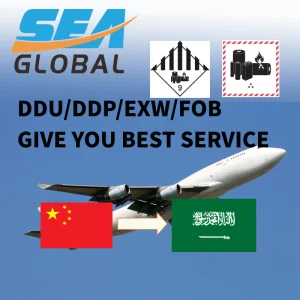
Oman and Saudi Arabia serve as critical logistics gateways. Leveraging strategic routes via the Port of Salalah or King Khalid International Airport in Riyadh enables faster distribution across Gulf Cooperation Council (GCC) markets, backed by specialized customs handling.
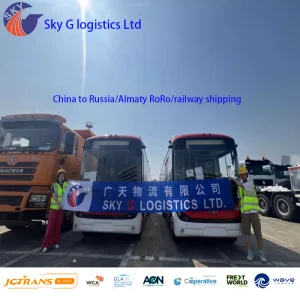
For heavy industry and specialized sectors, standard dry containers are not always sufficient. For instance, exporting new energy buses, earth-moving excavators, or mining trucks from major Chinese hubs like Shanghai, Shenzhen, or Qingdao to Latin American ports (such as Manzanillo, Mexico City, and Monterrey) requires dedicated Roll-on/Roll-off (RoRo) transport or heavy-duty flat rack containers. Reliable logistics partners help manage these out-of-gauge shipments safely and efficiently.
Expert answers to common questions about container leasing, DDP transport, customs clearance, and manufacturing standards.
Global ocean freight, door-to-door logistics, specialized transport, and consolidation services.
 Leoti Logistics