Optimized logistics channels linking key industrial clusters in China directly to Japan's primary economic zones.
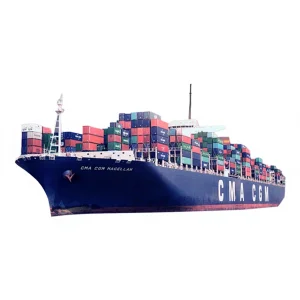
The commercial corridor between China and Japan remains one of the world's most vital maritime trade routes. In recent years, Japan's industrial structure has shifted significantly toward high-value manufacturing, green tech, and agile consumer goods. To maintain just-in-time (JIT) production models in Nagoya, Tokyo, and Osaka, Japanese procurement managers require shipping partners who understand the subtle dynamics of East Asian maritime transport. Short-sea shipping demands high punctuality, strict compliance, and rapid transit times to keep Japanese production lines operating smoothly.
Currently, Japan’s major container ports—Tokyo, Yokohama, Kobe, Osaka, and Nagoya—handle over 80% of all finished goods imported from China. Navigating this dense flow of commodities requires not just container space, but complex local support. As Japan implements strict decarbonization targets and moves towards digital customs platforms, exporters must integrate logistics solutions that offer both physical reliability and advanced technological tracking.
| Service Route Segment | Average Transit (Days) | Frequencies & Sailing Schedule | Ideal Cargo Types |
|---|---|---|---|
| Shenzhen/Guangzhou to Tokyo Port | 4 - 6 Days | 3x Weekly / Fixed-day sailings | Consumer Electronics, Industrial Parts, Textiles |
| Shanghai/Ningbo to Osaka/Kobe Port | 3 - 5 Days | Daily Departures | Machinery, Precision Moldings, Heavy Industry Components |
| Qingdao/Tianjin to Nagoya Port | 3 - 4 Days | 4x Weekly | Automotive Components, Solar Panels, Chemicals |
| Lianyungang to Yokohama Port | 5 - 7 Days | 2x Weekly | Raw Materials, Processed Metals, Bulk Raw Materials |
Shipping to Japan is uniquely governed by complex import customs laws that require meticulous documentation. Chief among these is the Advance Filing Rules (AFR), implemented by Japanese Customs. Under this mandate, all cargo manifest data must be submitted electronically to Japanese Customs at least 24 hours before a vessel departs the port of loading in China. Failure to submit correct data via Japan's Sea-NACCS (Nippon Automated Cargo and Port Consolidated System) results in severe penalties, loading denials, or delayed customs clearance upon arrival.
Furthermore, understanding Japan's Customs Tariff Law, product classification (HS Codes), and Consumption Tax (JCT) calculations is paramount to maintaining cargo speed. In Japan, standard import customs require:
Shenzhen Leoti Logistics maintains a dedicated Japanese customs desk, coordinating directly with local brokers in Tokyo and Osaka to process import documents through the NACCS system efficiently, guaranteeing seamless and compliant clearances.
Expert SEO Growth Insight: Real information gain comes from recognizing that Japanese importers value zero-error logistics above all. A delayed customs clearance due to inaccurate AFR filing can disrupt tight domestic production lines in Yokohama or Osaka, costing thousands of dollars in downstream operations.
As global logistics enters the Industry 4.0 era, the integration of digital technology is no longer optional. Shenzhen Leoti Logistics is pioneering a technology roadmap aimed at providing full visibility to B2B clients shipping to Japan. By utilizing advanced IoT sensors and GPS trackers embedded in FCL (Full Container Load) shipments, we offer real-time telemetry that tracks not only geographic coordinates but also internal container temperature, humidity levels, and cargo vibration.
This telemetry data feeds directly into our centralized client dashboard, allowing Japanese procurement teams to predict arrival times down to the hour. If a vessel experiences delays due to weather in the East China Sea, our systems automatically reroute port operations and notify the destination warehousing facilities, allowing for dynamic rescheduling. This level of transparency builds long-term operational trust and ensures that your supply chain remains robust in the face of disruptions.
How Leoti Logistics supports agile manufacturers by offering direct-to-port logistics for raw materials, machinery parts, and finished products.
At Shenzhen Leoti Logistics, we believe that logistics is a direct extension of the factory floor. Our specialized shipping corridors are optimized for manufacturers utilizing state-of-the-art industrial processing techniques. From precision laser cutting to automated welding and multi-layer painting, our supply chain ensures that processed materials and heavy machinery are delivered to Japan without damage, oxidation, or delays.
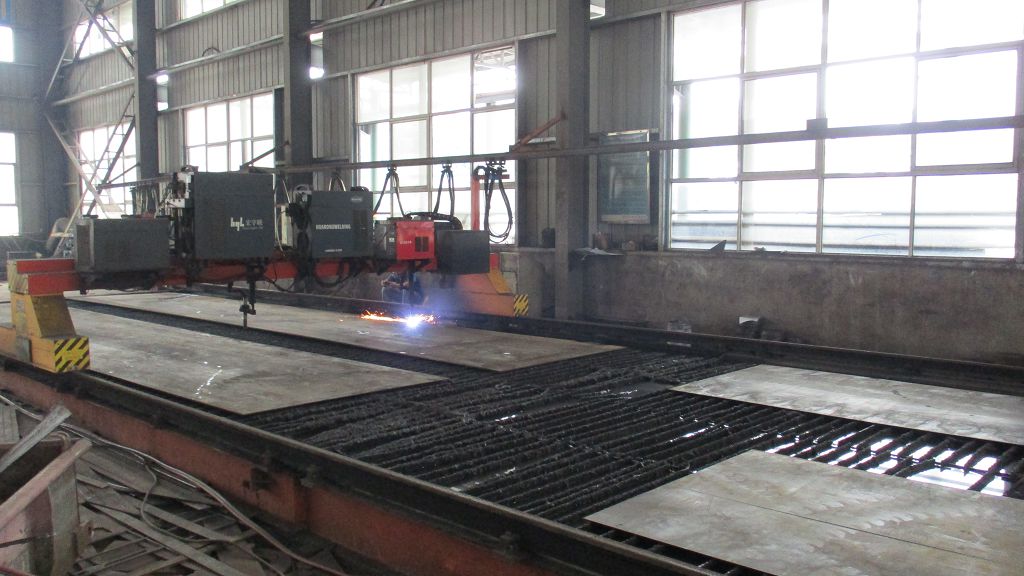
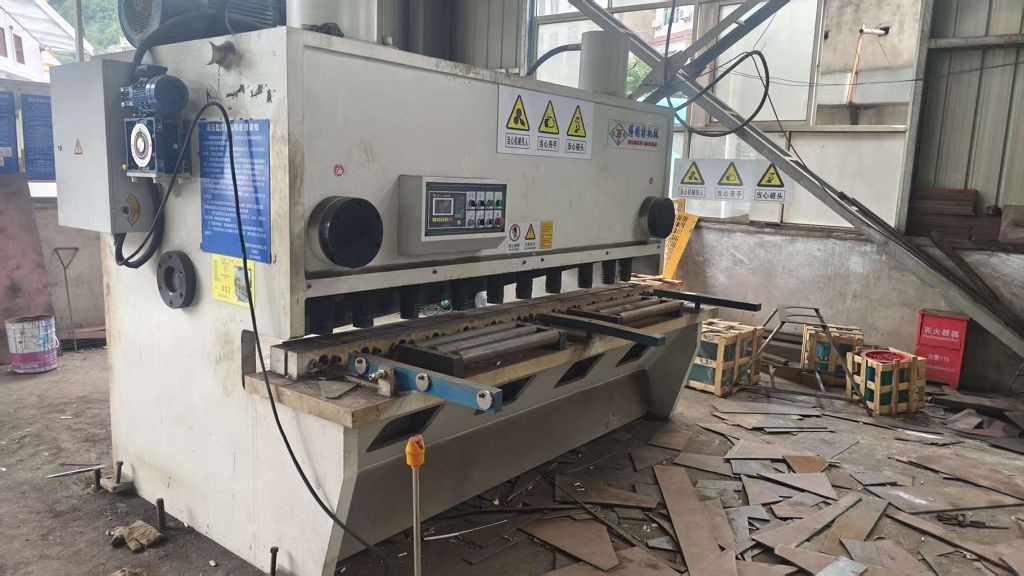
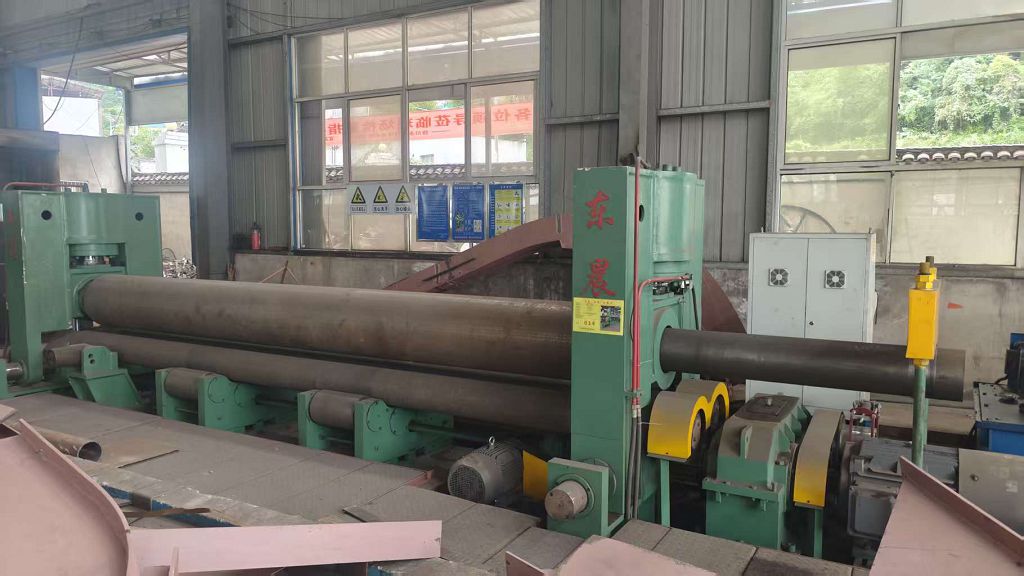
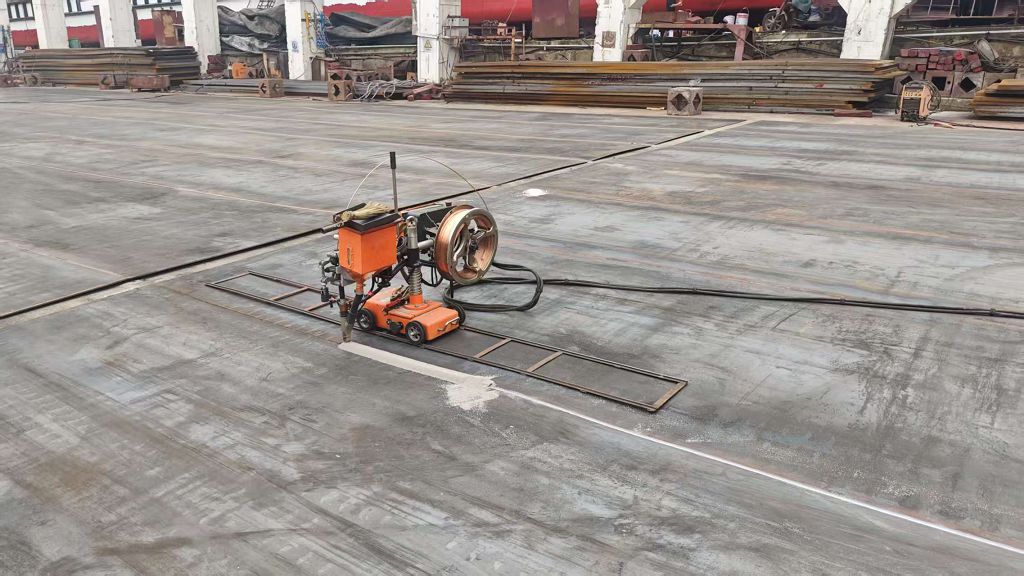
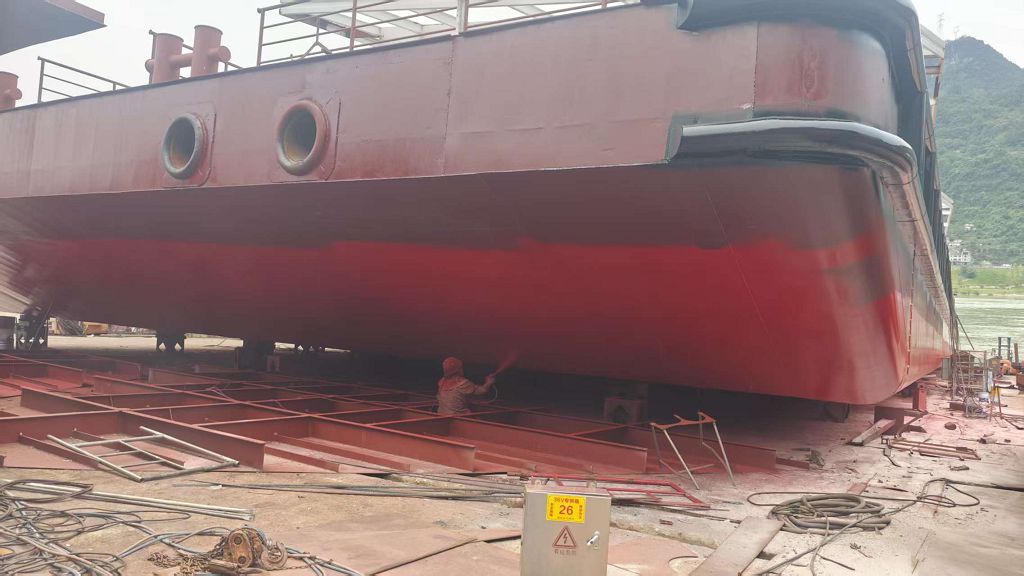
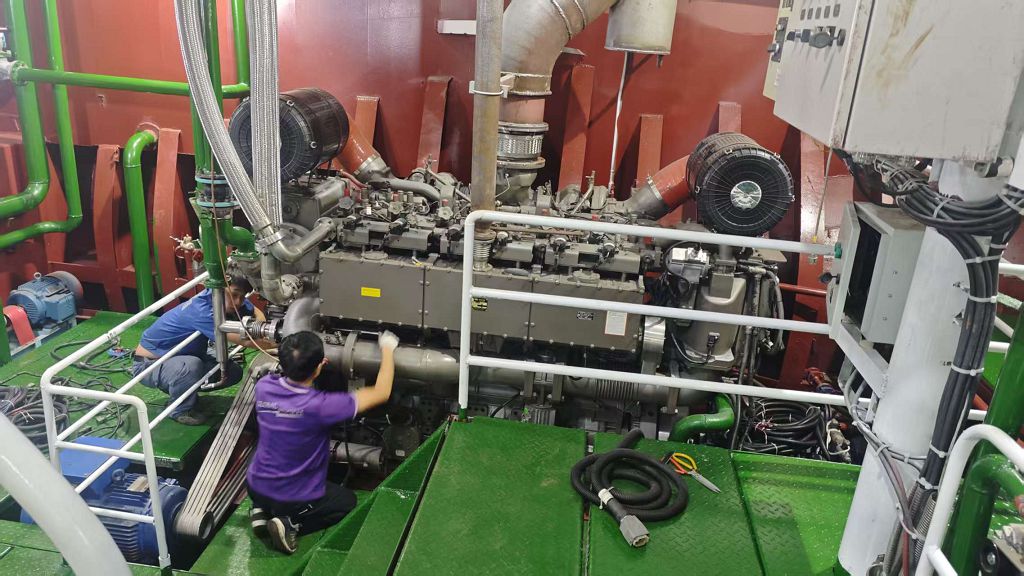
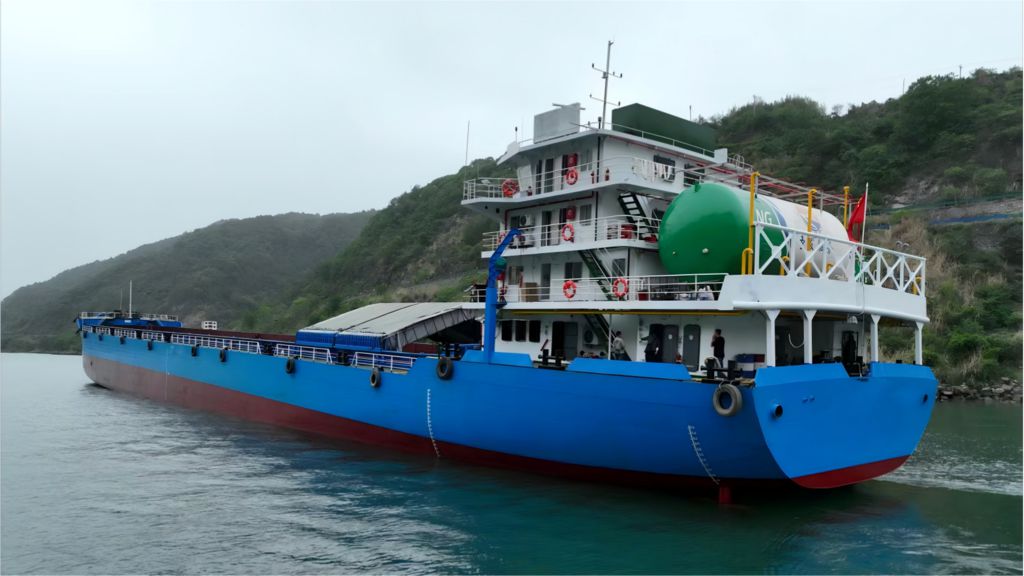
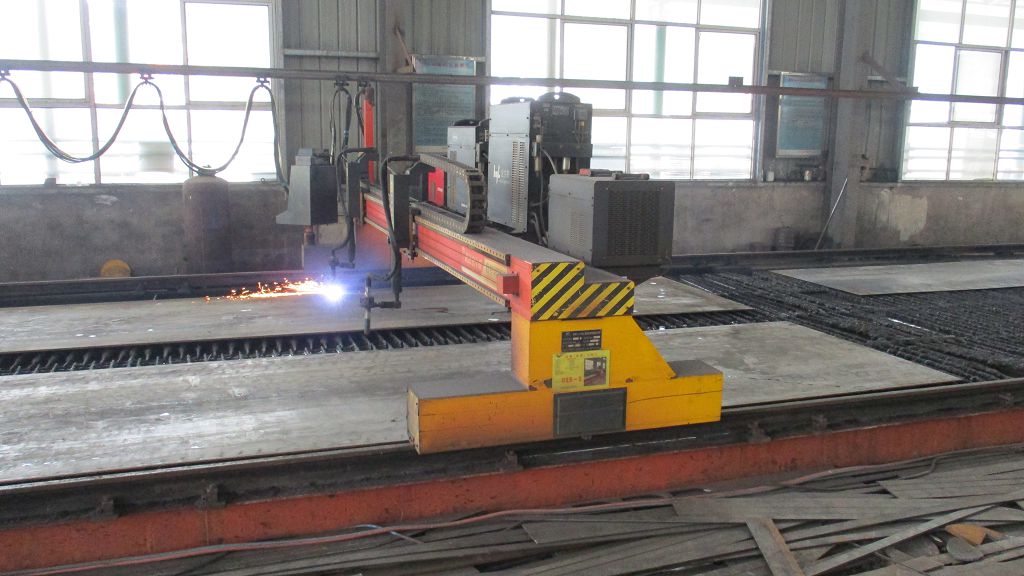
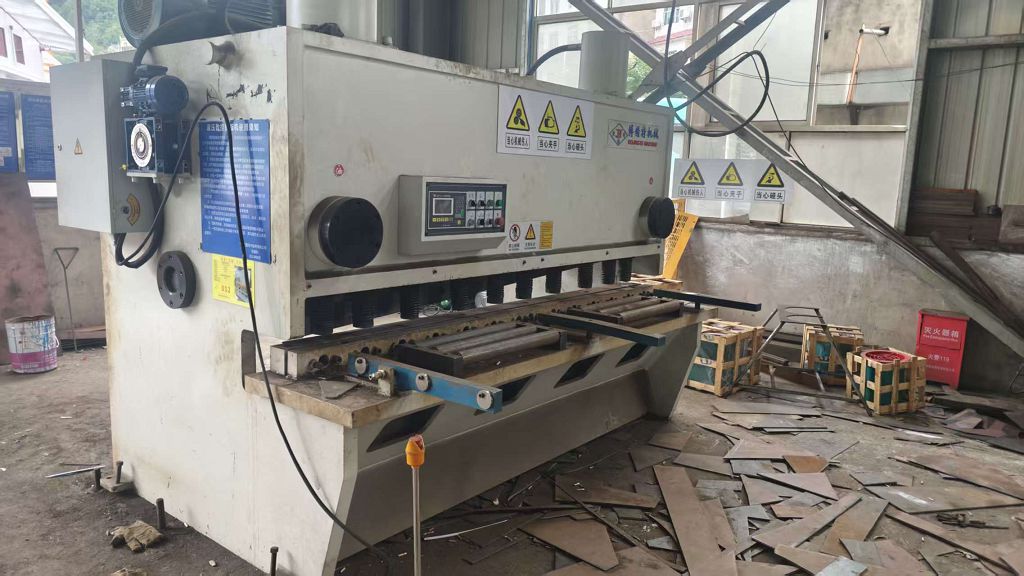
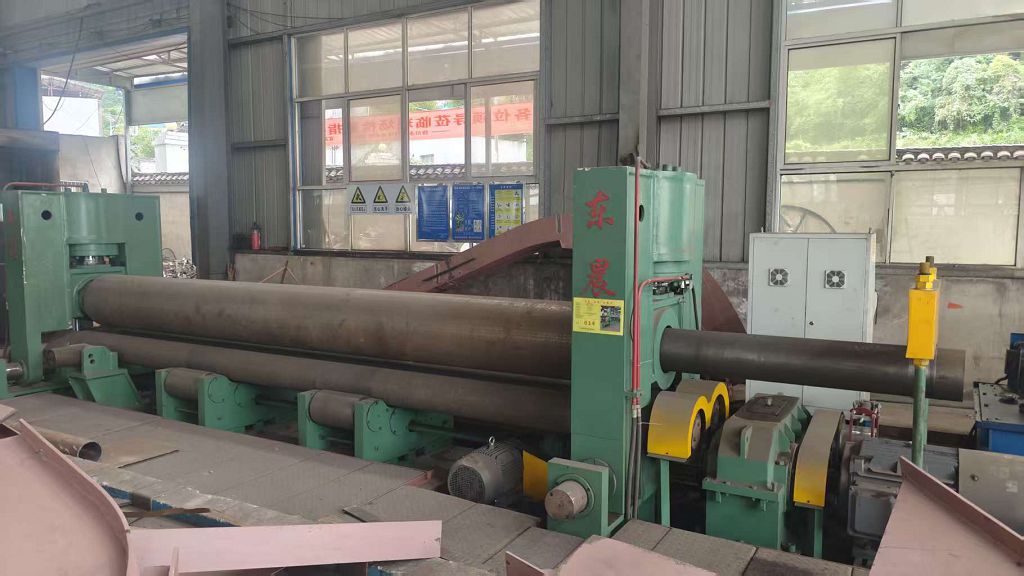
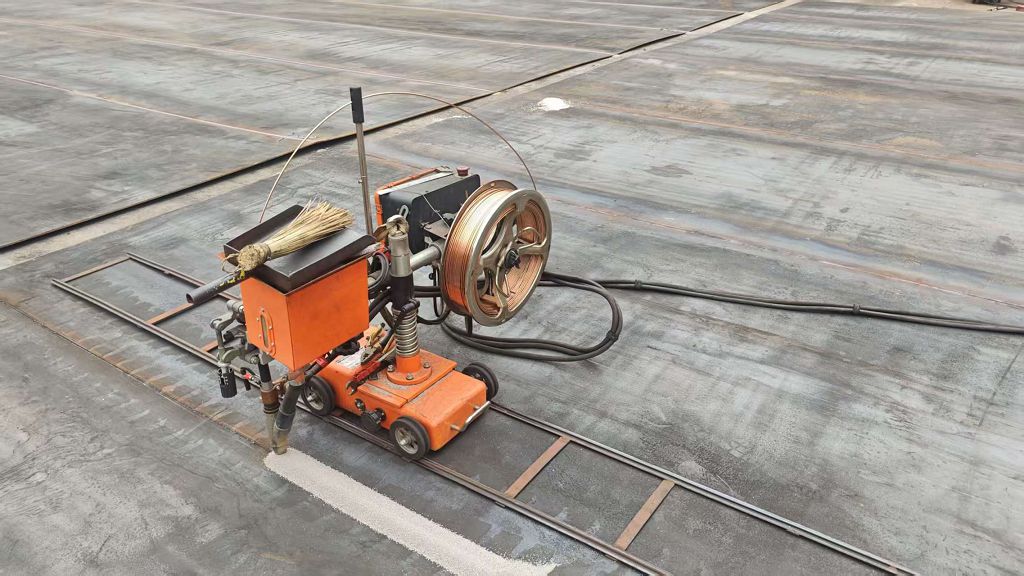
By handling the transportation of specialized machinery and fabricated components, Leoti Logistics manages the entire journey from heavy-lift transport inside China to overseas customs clearance and inland delivery in Japan. Whether importing large-scale machinery or shipping small-scale components, we offer custom-fit container setups (Flat Racks, Open Tops, or standard Dry Vans) coupled with precision blocking and bracing strategies to protect your industrial assets.
Your strategic partner in global trade, specialized customs execution, and reliable cargo transportation.
Shenzhen Leoti Logistics Co., Ltd. is a modern international logistics company dedicated to providing comprehensive and efficient global freight solutions. The company primarily specializes in import and export freight forwarding, including air freight, ocean shipping, international express delivery, rail transport, and road transportation services. Over the years, we have actively expanded our overseas logistics network, building relationships with over 200 global agents covering Europe, North America, South America, Africa, Oceania, Central Asia, and Southeast Asia.
In addition to core transportation, Leoti Logistics offers a full range of one-stop logistics solutions, such as customs clearance, warehousing, cargo consolidation, trailer transportation, and trade agency services. As a trusted booking agent for multiple leading shipping lines and airlines, we secure competitive cargo space in major global port cities, including Shenzhen, Guangzhou, Shanghai, Ningbo, Xiamen, Qingdao, Tianjin, Dalian, Beijing, and Lianyungang.
Our operations team maintains 24/7 real-time communication with international partners, ensuring timely coordination and secure handling of all shipments. Supported by an advanced logistics information system, we provide real-time tracking throughout the entire transportation process. Customers can monitor their shipments at any time with full transparency and confidence. Looking ahead, Shenzhen Leoti Logistics Co., Ltd. will continue to expand its global presence, enhance service quality, and strengthen its integrated logistics capabilities to support global trade.
Answers to critical regulatory, operational, and commercial questions for importing into the Japanese market.
The AFR manifest must be submitted electronically to Japan Customs at least 24 hours prior to the vessel's departure from the port of loading in China. If the data is submitted late, incomplete, or contains errors, Japanese customs authorities will issue a "DNL" (Do Not Load) notification, preventing the cargo from boarding the vessel.
The Nippon Automated Cargo and Port Consolidated System (Sea-NACCS) integrates customs procedures, port operations, and warehousing systems in real time. Because Leoti Logistics is directly integrated with Sea-NACCS through our partners, we can submit customs declarations early, reducing port clearance times down to less than 24 hours in main ports like Tokyo and Osaka.
For smaller volumes, we offer LCL (Less than Container Load) shipping options. This service consolidates multiple cargo consignments sharing a destination, allowing you to split container costs and maintain a highly cost-efficient supply chain for smaller or irregular order sizes.
Yes, Japan has strict standards for cargo handling. Wooden packaging materials must be heat-treated or fumigated in compliance with ISPM-15 guidelines and display the correct IPPC mark. Labeling must be precise, detailing country of origin, item specifications, and safety hazards, particularly for electronics, machinery, and consumer products.
Absolutely. Our comprehensive DDP and door-to-door logistics include local cartage and container drayage in Japan. We coordinate with local trucking providers to handle the delivery from major ports directly to your warehouse, commercial store, or fulfillment center across Japan.
Comprehensive ocean and air networks connecting China to key international trading hubs.

Get instant rates, customized customs strategies, and reliable vessel allocations for your cargo.
Get A Free Quote Now Leoti Logistics