Premium ocean freight forwarding and specialized DDP delivery networks customized for Philippine importing corridors.
As an archipelagic nation comprising over 7,600 islands, the Republic of the Philippines presents one of the most structurally unique and demanding maritime logistics landscapes globally. With domestic shipping lanes functioning as critical arteries, the dependency on efficient international ocean freight forwarding is absolute. The primary trade gateway, Manila (spanning Manila North Harbor and Manila South Harbor), handles the lion's share of containerized cargo. However, chronic congestion at metropolitan ports has prompted a macroeconomic push to expand regional sub-hubs such as Batangas Port, Subic Bay Freeport Zone, Cebu Port, Davao (Sasa Wharf), and Cagayan de Oro.
Global manufacturing operations targeting the Philippine consumer base and industrial zones must orchestrate their supply chains around these distinct maritime corridors. The national infrastructure roadmap, "Build, Better, More," is driving unprecedented demand for raw materials, industrial machinery, and electrical components. This surge requires a highly specialized freight supplier capable of handling heavy machinery packaging, cargo consolidation, and last-mile delivery across complex island transshipments.
Manila Port Congestion: Seasonal surges (Q3-Q4) require carriers to have pre-negotiated priority berthing and local drayage relationships to avoid costly demurrage.
Regionalization of Cargo: Direct routes to Cebu, Batangas, and Davao are increasingly favored to bypass Manila's truck ban policies and local municipal clearances.
Bilateral RCEP Framework: The Regional Comprehensive Economic Partnership (RCEP) has streamlined customs procedures and tariff structures between China and the Philippines, lowering costs for compliant importers.
Addressing the pain points of tariff classifications, regulatory delays, and multimodal domestic transfers.
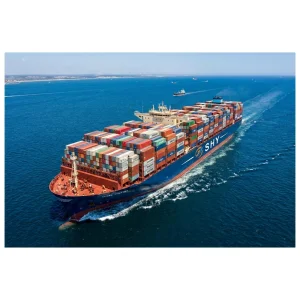
We provide contractually secured space allocations (BSA) with major vessel operators (MSK, COSCO, OOCL, ONE). Ideal for raw agricultural equipment, manufacturing materials, and massive infrastructure supplies arriving from major Chinese ports to Manila, Cebu, and Davao.
For mid-sized buyers and growing enterprises, our LCL services utilize weekly departures with dedicated consolidation boxes. This minimizes transit times, lowers unit costs, and eliminates the risk of cargo damage through strict loading standards.
Navigating the Bureau of Customs (BOC) can be daunting. Our comprehensive DDP door-to-door services cover all import duties, taxes, customs clearance charges, and local delivery fees, ensuring cost transparency with zero unexpected billing.
Shenzhen Leoti Logistics Co., Ltd. is a modern international logistics company dedicated to providing comprehensive and efficient global freight solutions. The company primarily specializes in import and export freight forwarding, including air freight, ocean shipping, international express delivery, rail transport, and road transportation services.
In addition to core transportation services, Leoti Logistics offers a full range of one-stop logistics solutions, such as customs clearance, warehousing, cargo consolidation, trailer transportation, and trade agency services. Our goal is to simplify global trade for our clients by providing seamless end-to-end logistics support.
As a trusted booking agent for multiple leading shipping lines and airlines, the company is able to secure competitive cargo space in major global port cities, including Shenzhen, Guangzhou, Shanghai, Ningbo, Xiamen, Qingdao, Tianjin, Dalian, Beijing, and Lianyungang. Through strong partnerships with local warehouses, trucking fleets, and customs brokers, Leoti ensures smooth and efficient operations at every major port.
Over the years, Shenzhen Leoti Logistics has actively expanded its overseas logistics network. Today, we cooperate with more than 200 global agents covering Europe, North America, South America, Africa, Oceania, Central Asia, and Southeast Asia. This extensive network allows us to provide reliable international air freight, sea freight, express delivery, customs clearance, and last-mile delivery services worldwide.
Our overseas operations team maintains 24/7 real-time communication with international partners, ensuring timely coordination and secure handling of all shipments. This continuous communication helps guarantee cargo safety, operational efficiency, and customer satisfaction.
Leoti Logistics is proud of its strong core advantages. Our experienced and highly professional logistics team is well-versed in international shipping procedures and has in-depth knowledge of customs regulations and trade policies across different countries. This expertise enables us to design precise logistics solutions, effectively reduce operational risks, and optimize costs for our clients.
Supported by an advanced logistics information system, we provide real-time tracking throughout the entire transportation process. Customers can monitor their shipments at any time with full transparency and confidence. Looking ahead, Shenzhen Leoti Logistics Co., Ltd. will continue to expand its global presence, enhance service quality, and strengthen its integrated logistics capabilities.
Connect with our Trade ExpertsTo withstand trans-oceanic voyages and multi-stage handling, we manufacture custom steel crates, structural shipping supports, and protective packaging directly in our fabrication facility.
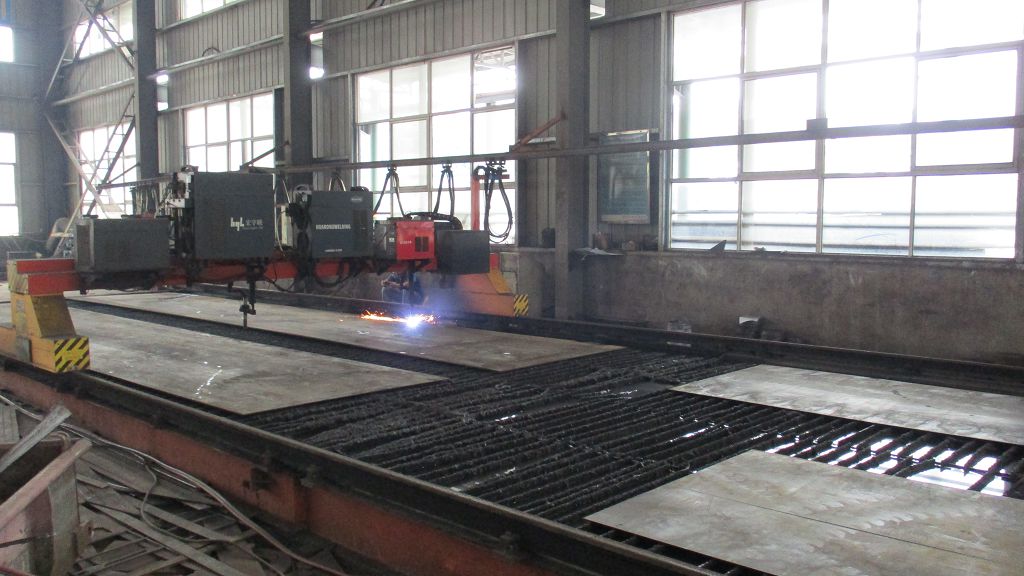
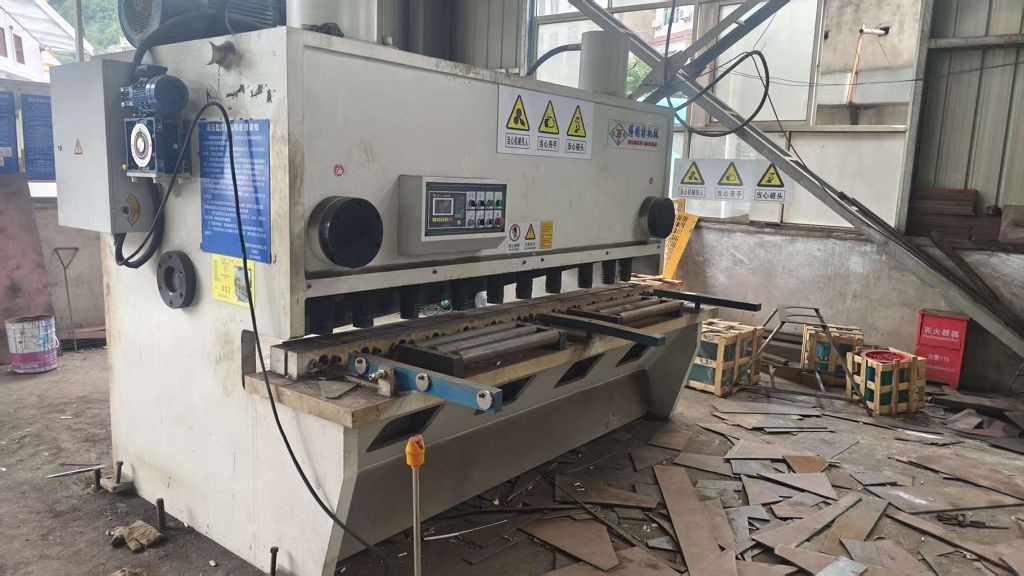
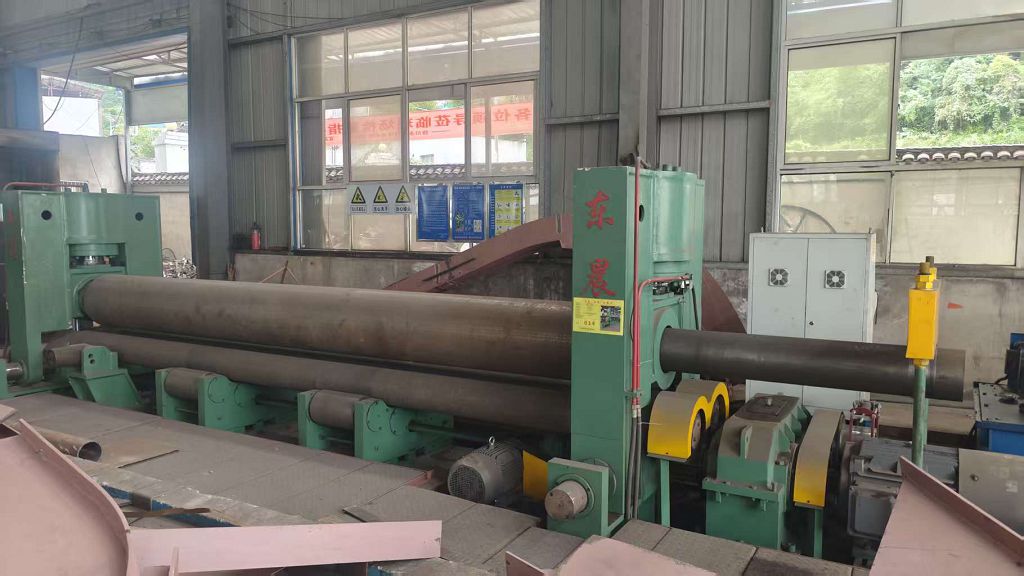
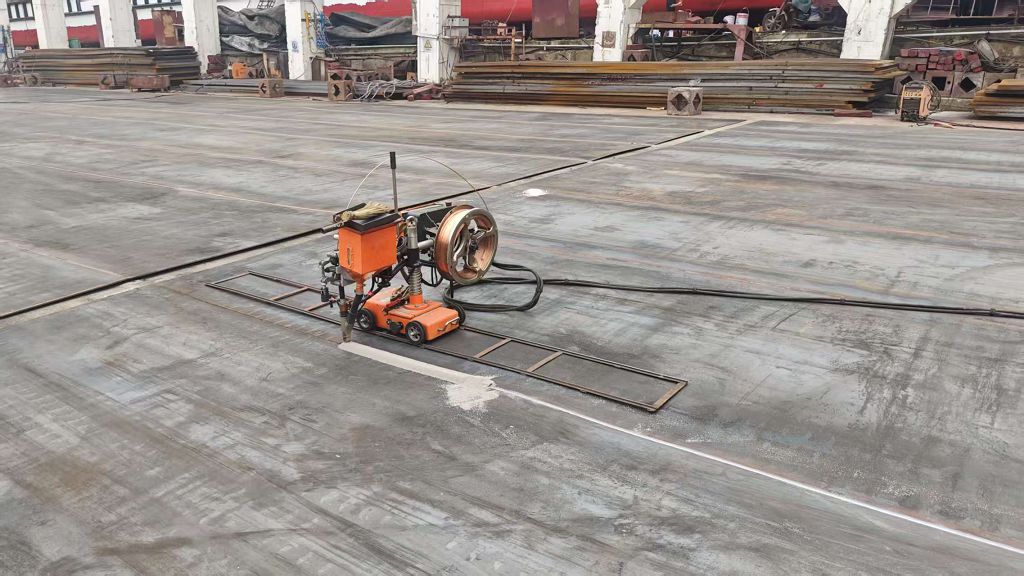
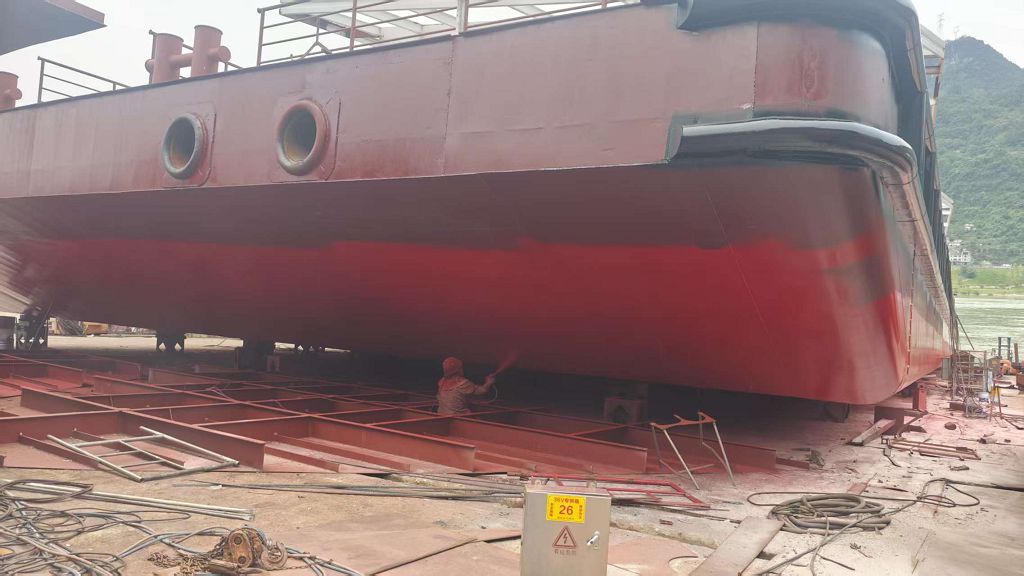
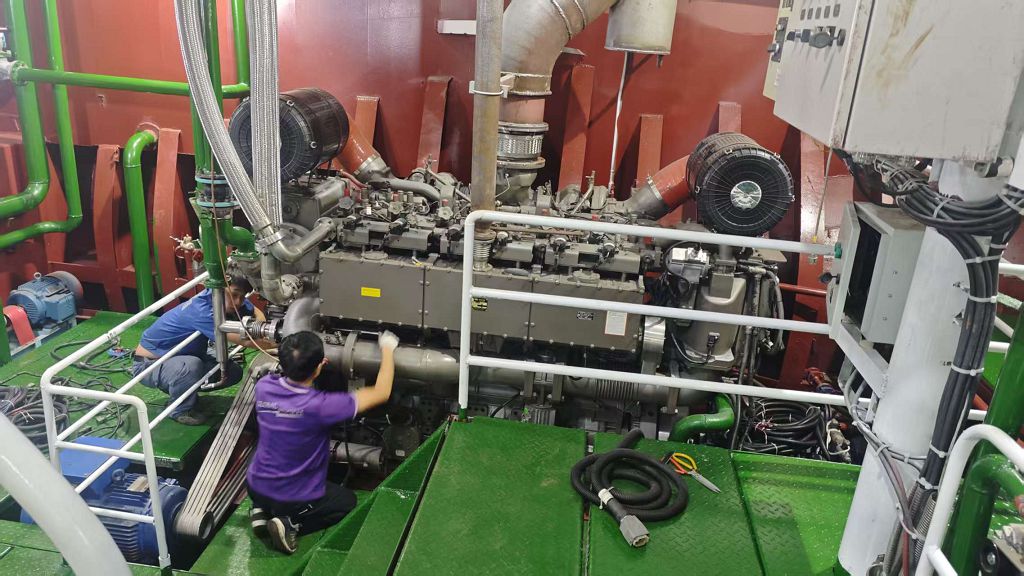
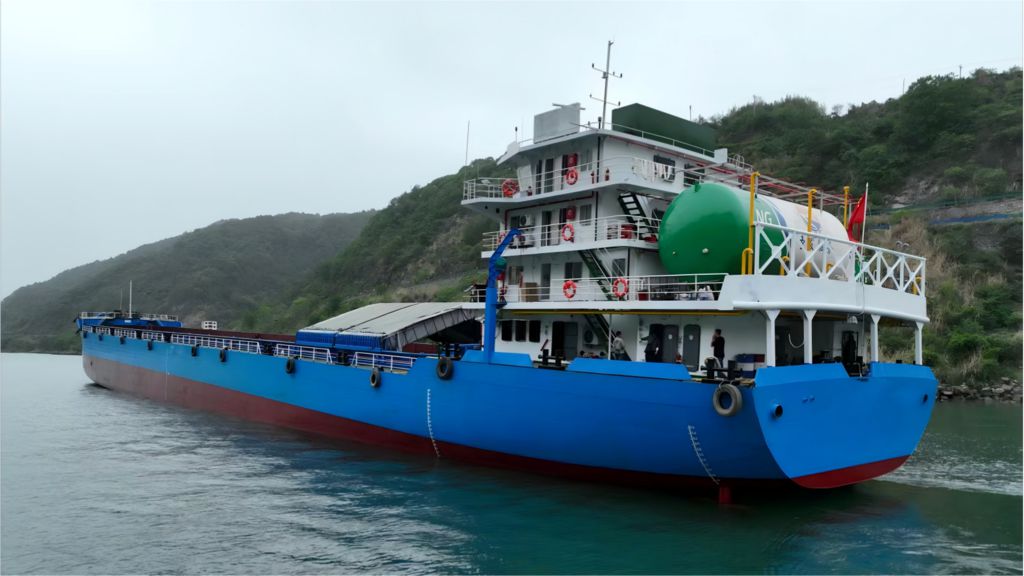
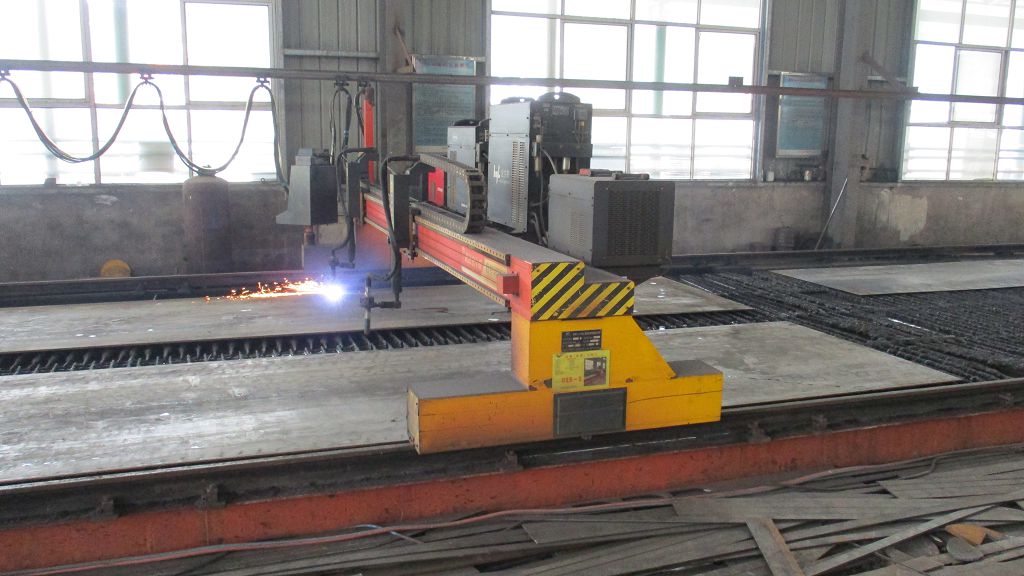
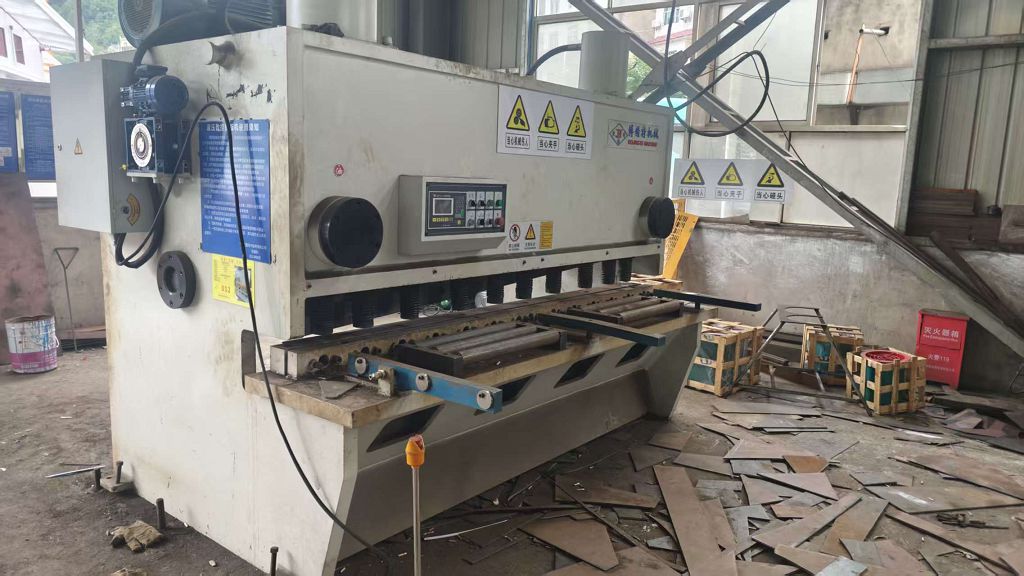
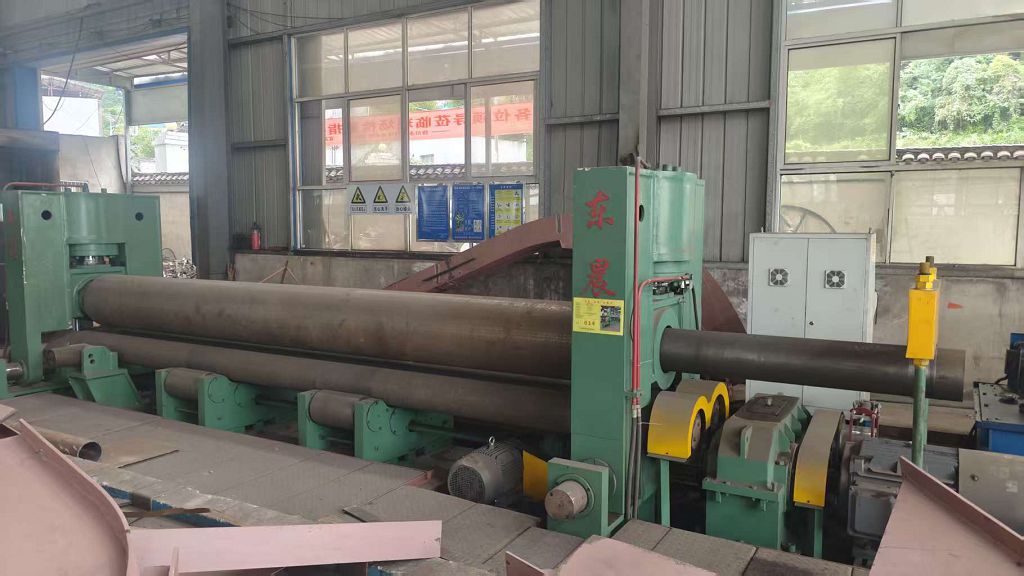
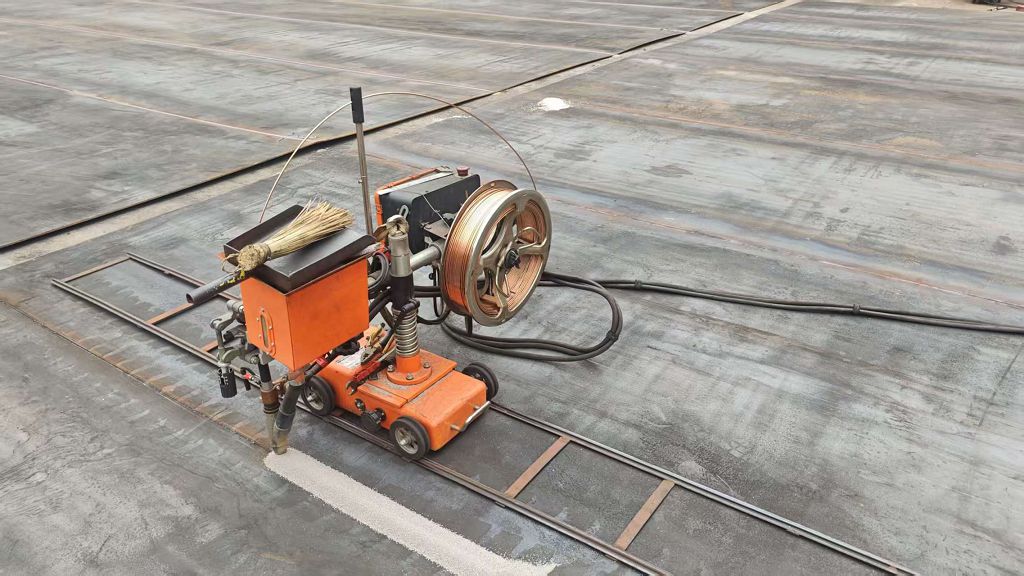
By leveraging internal manufacturing resources, Leoti Logistics provides custom-engineered, shock-absorbent, and salt-spray-resistant packaging. This capability is critical for shipping precision electronics, solar panels, and complex machinery destined for the hot and humid marine environments of the Philippines.
Importing goods into the Philippines requires navigating a complex regulatory environment. The Bureau of Customs (BOC) enforces strict compliance guidelines, and errors in documentation can lead to costly delays, red-channel evaluations, or seizures. To ensure smooth clearance, importers must secure the necessary clearances prior to cargo arrival.
Leoti Logistics maintains dedicated teams in Manila and Shenzhen to pre-audit all shipping invoices, packing lists, and HS codes. By aligning documents with BOC classifications before departure, we help minimize customs delays at all Philippine entry ports.
Ensure all paperwork is compiled and verified before departure to avoid delays:
Our commitment to digital transformation in maritime logistics, utilizing IoT cargo tracking, automated customs integrations, and real-time transit analytics.
Integration of smart IoT sensors inside shipping containers. Real-time temperature, humidity, and location tracking for high-value logistics lines from China to Manila.
Implementation of API connections with the BOC's Single Window platform. This allows automated clearance updates and digital pre-filing of HS Code classifications.
Deployment of AI-driven route analysis to dynamically select transit schedules, avoiding congested port hubs and minimizing transit times during peak shipping seasons.
Explore our complete freight forwarding, warehouse consolidation, and specialized DDP delivery options tailored for the Philippine market.
Get answers to common regulatory, customs, and operational questions about shipping from China to major Philippine ports.
Contact our trade operations and logistics team to design a customized shipping plan, resolve customs clearance challenges, or request a quick freight quote.
 Leoti Logistics