Leoti Logistics

1. The Strategic Landscape of Portugal's LCL Maritime Ecosystem
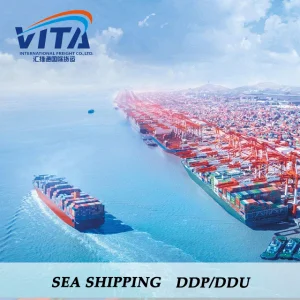
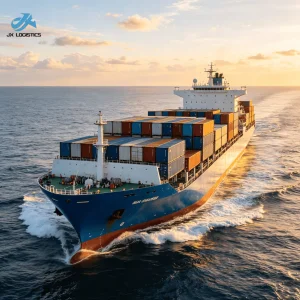
In the modern era of agile manufacturing and highly diversified supply chains, Less-than-Container Load (LCL) shipping has transitioned from a basic logistics alternative to a key driver of strategic supply chain optimization. Positioned on the edge of the Iberian Peninsula, Portugal serves as a major gateway for maritime trade entering the European Union. Deep-water ports like Sines (Terminal XXI), Leixões (Porto), and the Port of Lisbon connect Atlantic shipping routes with the industrial heartland of Europe.
LCL shipping allows multiple shippers to share container space, making it a valuable tool for Portuguese small and medium-sized enterprises (SMEs) and global businesses operating in the region. Rather than waiting to fill a Full Container Load (FCL), importers and exporters can dispatch smaller consignments regularly. This reduces lead times and lowers inventory holding costs. Our services focus on establishing structured, dependable consolidation routes that connect major manufacturing zones in Northern Portugal and the Lisbon Metropolitan Area to global logistics hubs.
2. Market Drivers: Why Global Businesses Choose Portugal-Bound LCL
Several key factors are driving the demand for specialized LCL solutions in Portugal:
- Automotive and Component Clusters: The AutoEuropa ecosystem and surrounding parts manufacturers in Palmela require steady, smaller shipments of electronic components and raw materials from Asian supply networks.
- Textile and Footwear Industries: Located primarily in Northern Portugal (around Porto, Braga, and Guimarães), these sectors rely on quick turnaround cycles. High-frequency LCL services allow brands to move inventory without waiting for full container aggregation.
- Renewable Energy Equipment: With Portugal's focus on green energy, manufacturers of wind turbine and solar array subsystems often import heavy components. Dedicated LCL configurations help protect these specialized parts in transit.
3. Heavy-Duty Consolidation & Custom Equipment Fabrication
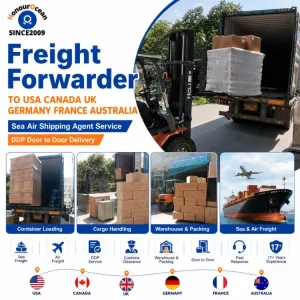
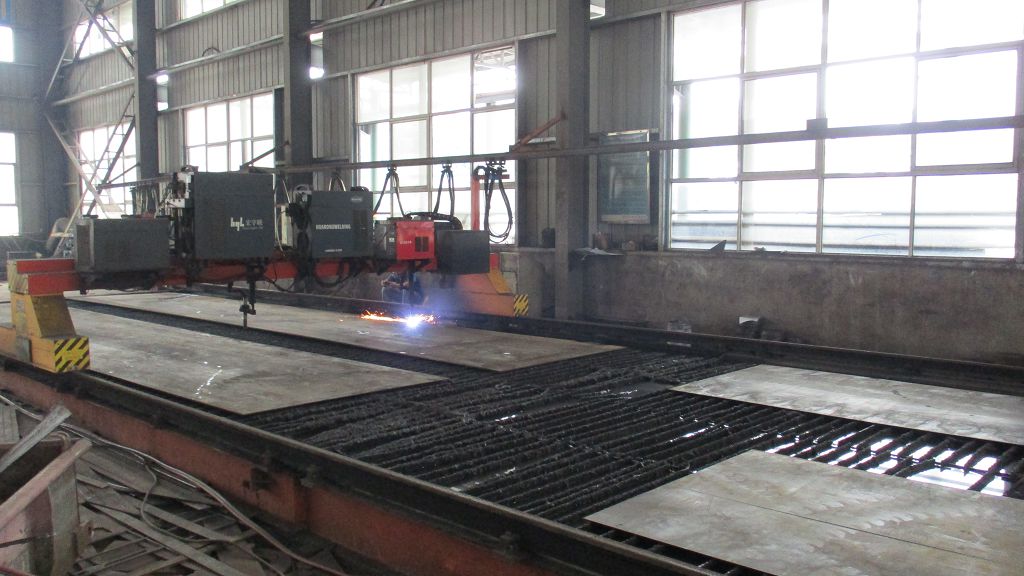
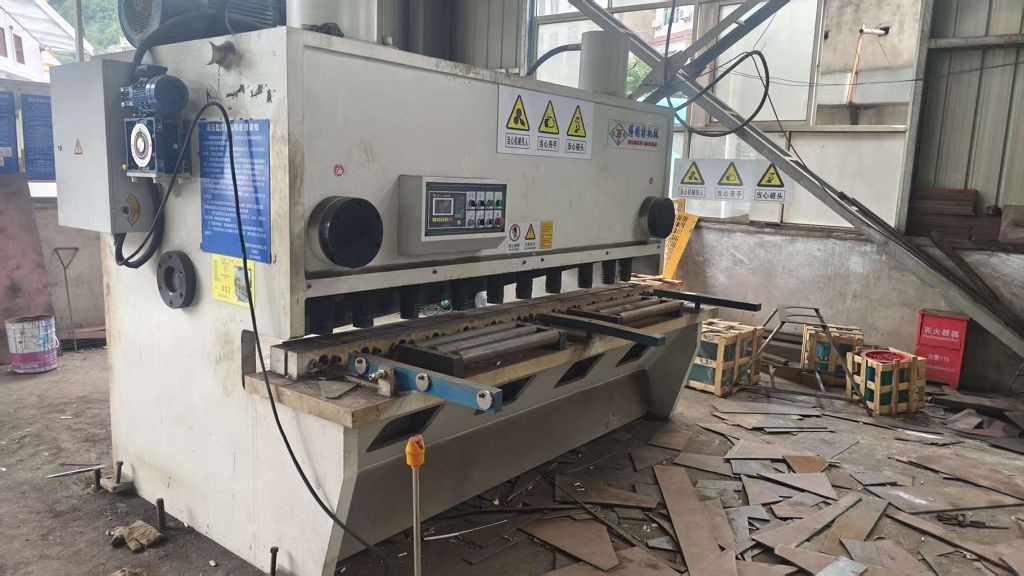
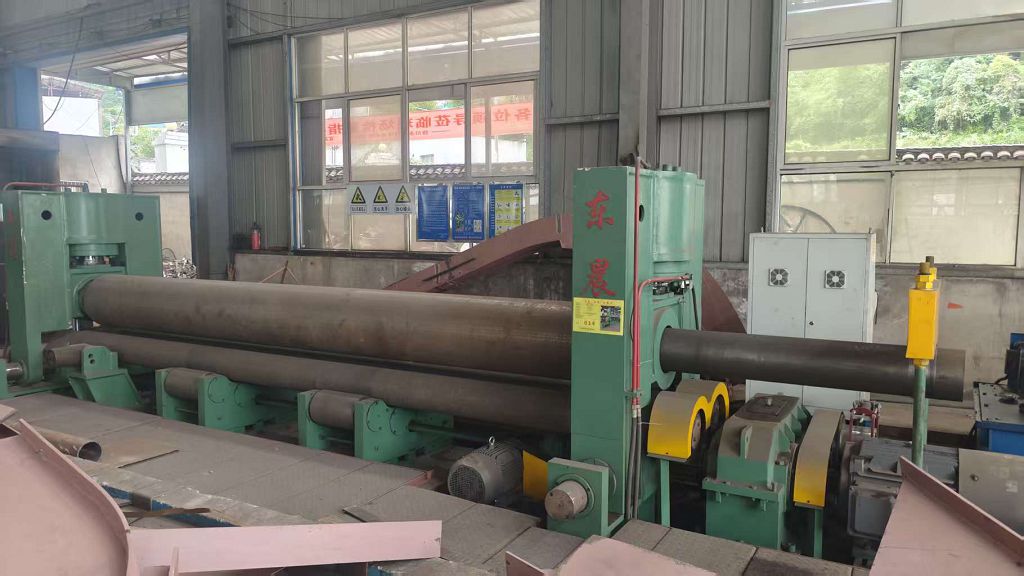
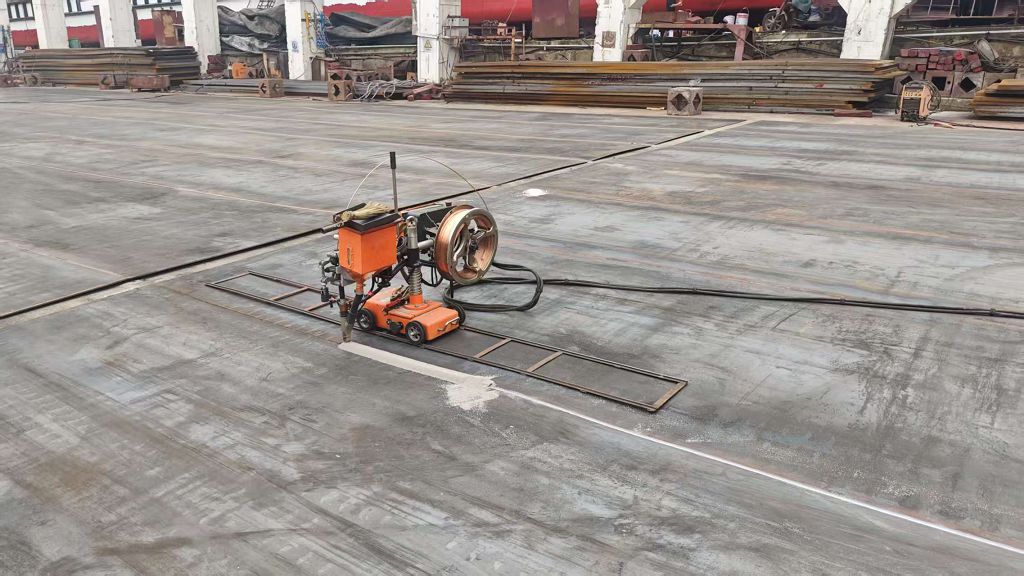
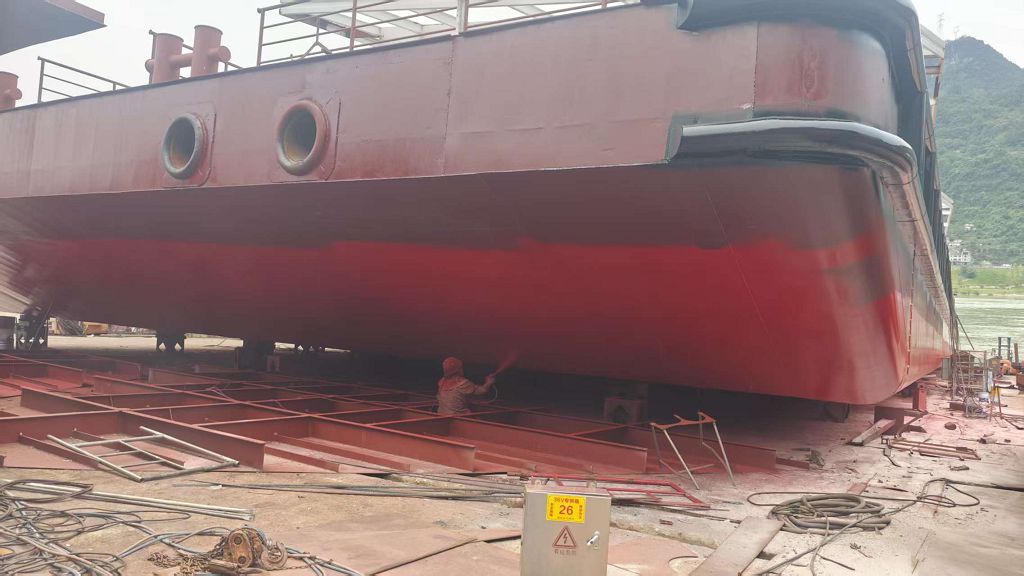
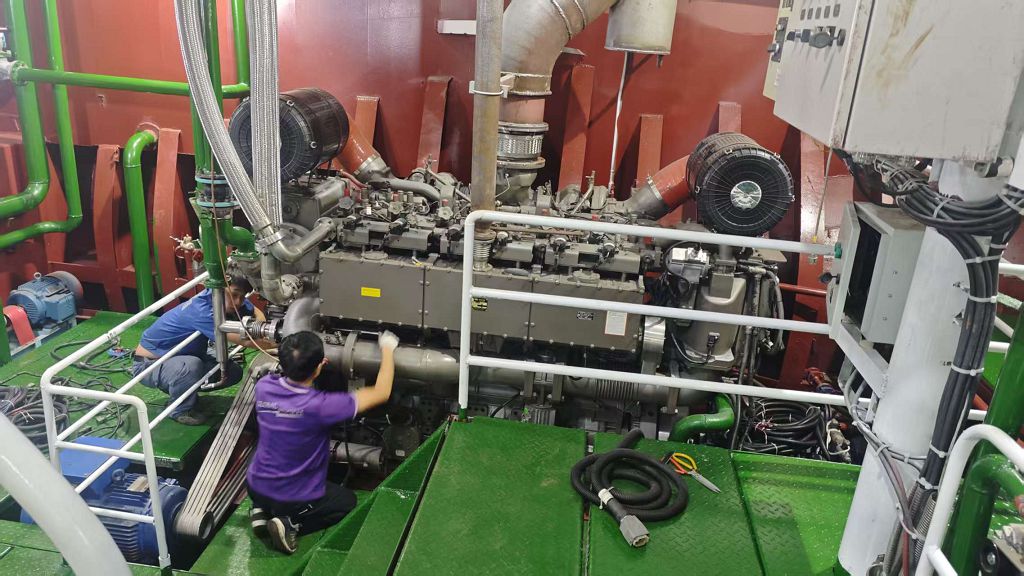
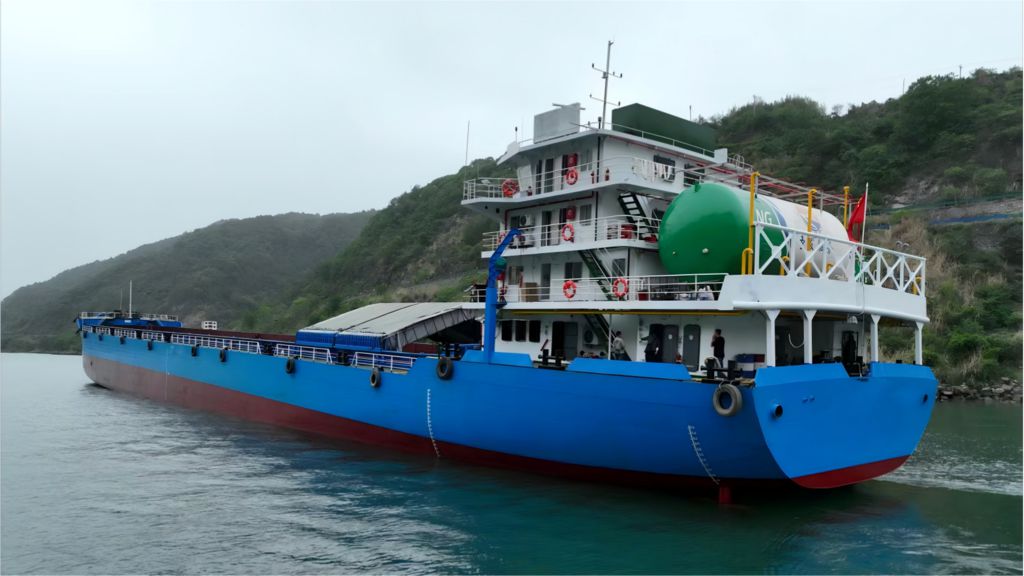
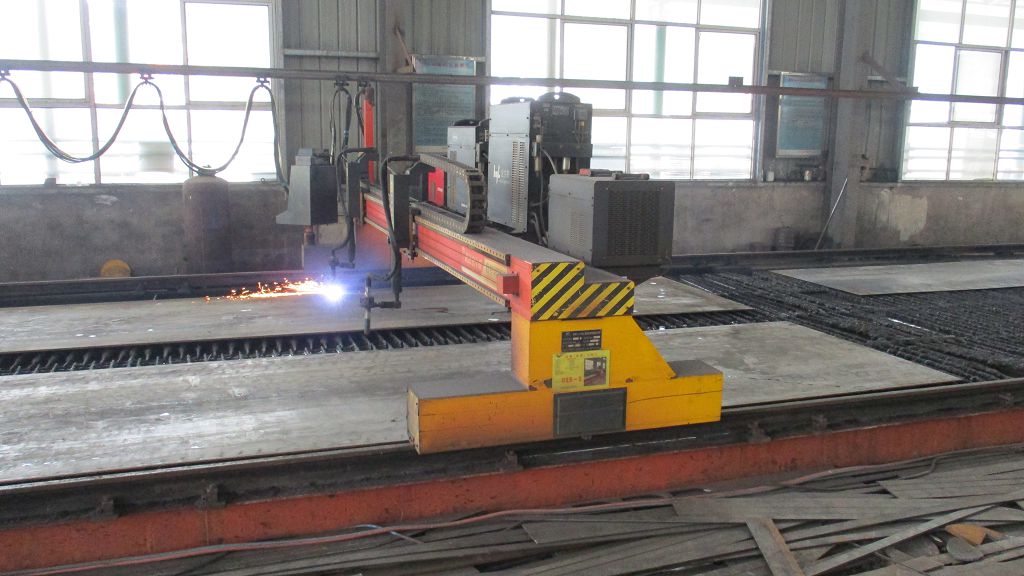
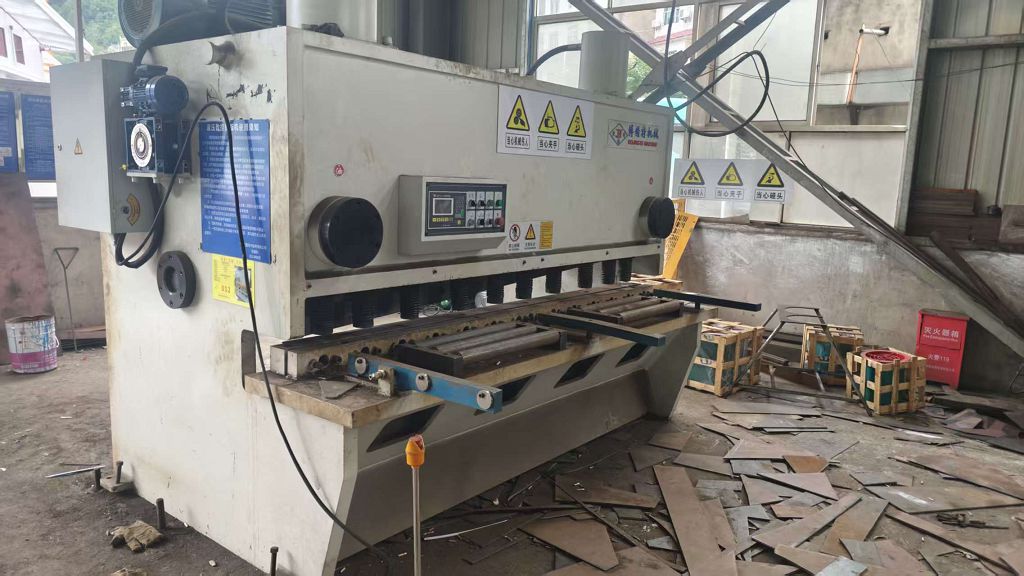
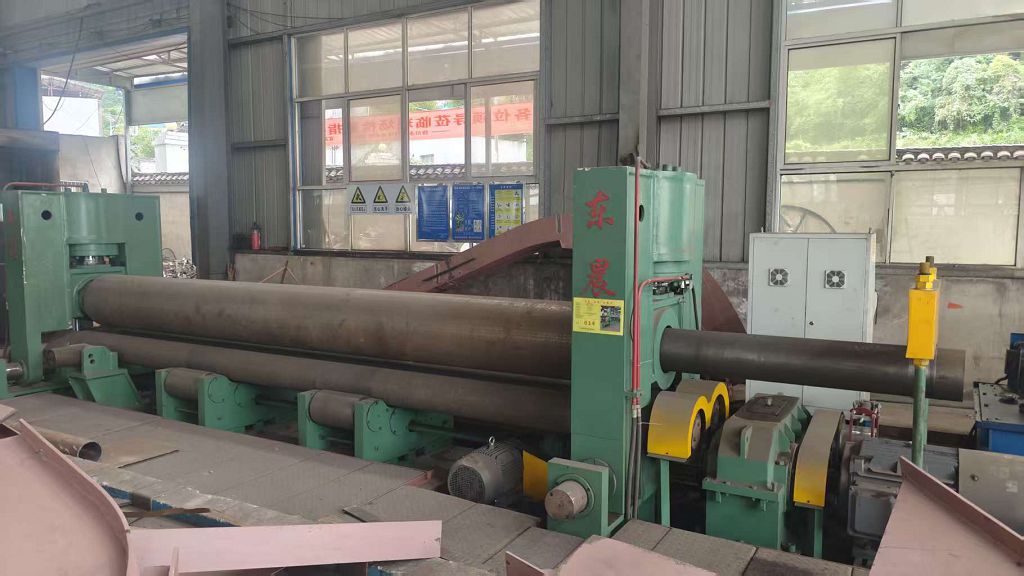
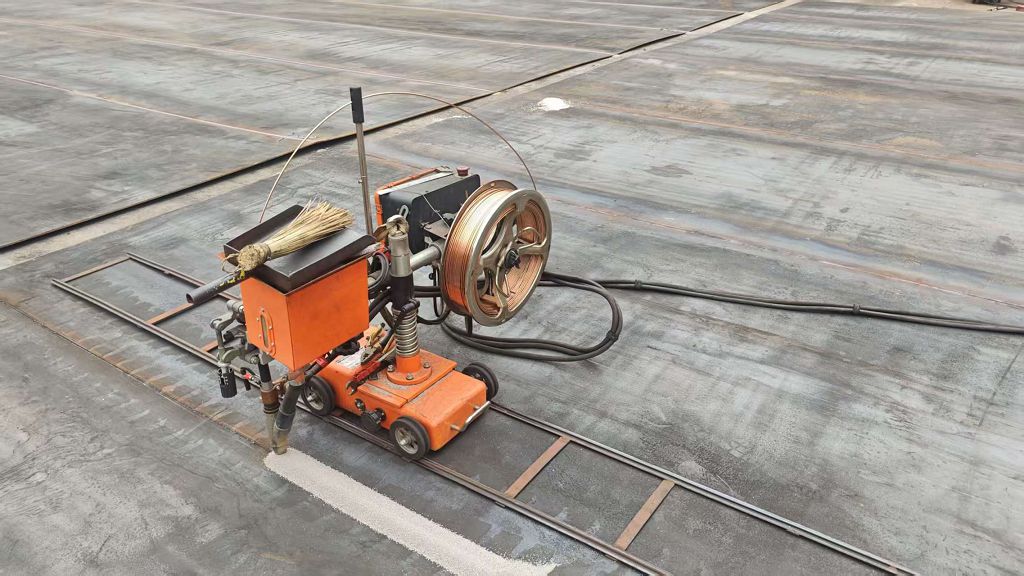
A key element of Shenzhen Leoti Logistics' specialized LCL operations is our dedicated transit packaging and heavy-cargo lashing structure manufacturing facilities. Unlike conventional freight forwarders that rely on generic packaging, we manufacture custom steel frames, heavy-duty cargo cages, and custom wooden crating. This helps secure LCL shipments of machinery, electronic assemblies, and fragile components.
By handling the engineering, fabrication, and custom container-loading setups in-house, we reduce the risk of transit damage during multi-port handling. Our manufacturing division uses precise industrial procedures to build secure, reliable transport equipment.
4. Middle Tier: Strategic Worldwide Routing Segments
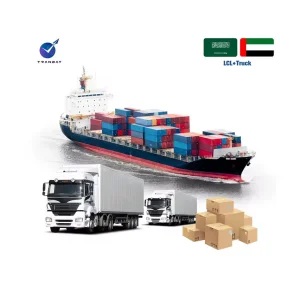
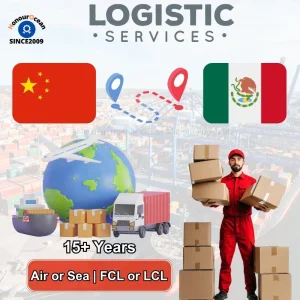
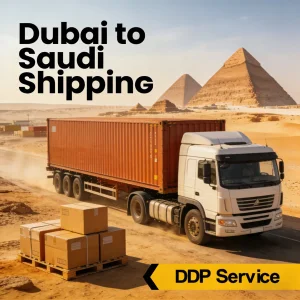
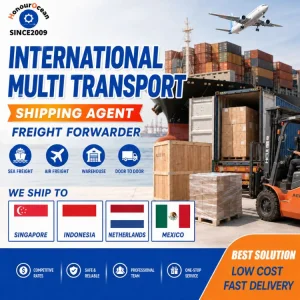
Beyond European channels, our logistics framework supports complex multimodal trade routes. This system enables global trade lanes that connect Asian manufacturing centers with final destinations across North America, the Middle East, and Latin America.
5. Regulatory Compliance & Customs Navigation in Portugal
Importers handling LCL freight in Portugal must navigate EU customs regulations, including the Import Control System 2 (ICS2). This framework requires detailed Entry Summary Declarations (ENS) before cargo is loaded at the point of origin. Errors in cargo descriptions or HS codes can lead to holds and delayed releases.
Our logistics experts manage these compliance requirements directly. We verify documentation, confirm correct HS classifications, and process declarations using the Portuguese customs portal (Autoridade Tributária e Aduaneira).
Additionally, we help clients utilize Portugal's Deferred VAT Scheme (under Article 27 of the Portuguese VAT code). This program allows businesses importing goods to account for import VAT on their regular periodic tax returns rather than paying cash at the port. This option can help businesses keep cash in hand and reduce administrative delays.
6. Technology Integration: Smart Containers & Digital Tracking
To provide clear visibility across LCL shipping legs, Shenzhen Leoti Logistics utilizes cloud-based tracking systems. Shippers receive detailed updates on their cargo's progress, including:
- Automated Milestone Alerts: Automatic notifications at key stages, including cargo receipt, container sealing, sailing dates, customs clearance, and warehouse unpacking.
- Optimized Consolidation: AI-based volume allocation software ensures maximum use of container space, which helps prevent shifting in transit and lowers overall freight rates.
- Digital Document Storage: Secure storage for Bills of Lading, Certificates of Origin, and commercial invoices to simplify customs verification.