Premium ocean freight and container logistics configurations connecting major industrial gateways directly to the Mexican market.
Over the last decade, and accelerated by recent global supply chain realignments under the United States-Mexico-Canada Agreement (USMCA), Mexico has transformed into one of the world's most critical manufacturing hubs. The phenomenon of nearshoring—moving production closer to the target consumer market in North America—has turned the country into a focal point for global industrial investment.
This industrial transition spans across multiple strategic regions. The Bajío region (comprising Querétaro, Guanajuato, San Luis Potosí, and Aguascalientes) serves as the engine for automotive, aerospace, and advanced manufacturing sectors. Meanwhile, the northern border states, led by the Monterrey Industrial Corridor in Nuevo León, are receiving unprecedented inflows of foreign direct investment (FDI) for high-tech manufacturing, home appliances, and electronic assembly plants.
For these capital-intensive industries, logistics is not merely a utility; it is a critical competitive edge. In this high-velocity manufacturing environment, Full Container Load (FCL) shipping represents the backbone of cross-border supply chains. Moving raw materials, steel components, machinery, and sub-assemblies in full containers reduces handling risks, optimizes cargo protection, and provides predictable lead times essential for Just-In-Time (JIT) manufacturing.
To support this surging volume of FCL cargo, Mexico's port infrastructure has undergone significant expansion. On the Pacific coast, the Port of Manzanillo and the Port of Lázaro Cárdenas serve as the primary maritime gateways for imports from Asia. On the Atlantic side, the Port of Veracruz and the Port of Altamira connect the industrial heartland of Central Mexico directly to Europe and the Eastern United States.
Optimizing transit times through these ports requires more than just booking space on a vessel. It demands coordinated onshore chassis availability, integrated rail solutions (such as Ferromex and CPKC networks), and seamless customs processing ( despacho aduanero) by certified Mexican customs brokers.
The global shipping environment has transitioned from historical instability to a regime focused heavily on compliance, decarbonization, and systemic resilience. Maritime shipping alliances (such as 2M, Ocean Alliance, and THE Alliance) dynamically manage vessel capacity, blank sailings, and container routing to balance carrier profitability with global demand spikes.
Furthermore, global macroeconomic forces such as fluctuations in the Panama Canal's daily vessel transits due to draft restrictions and disruptions along traditional East-West trade routes have heightened the strategic value of Mexican ports as alternative entry points for the broader North American market. Importers are increasingly employing "China + 1" logistics strategies, establishing dual sourcing and manufacturing hubs in Mexico to insulate their supply chains from geopolitical volatility.
Modern FCL shipping has moved past basic "metal box" transportation. Today's industrial logistics demands end-to-end cargo visibility. Smart containers equipped with IoT telemetry transmit real-time data regarding geolocation, internal temperature, relative humidity, and physical shock vectors. This transparency is crucial for high-value cargoes, such as electronics, automotive controllers, and chemical precursors transit via the Pacific trade lane.
A premier global supply chain facilitator, aligning modern logistics infrastructure with the complex demands of international trade.
Shenzhen Leoti Logistics Co., Ltd. is a modern international logistics company dedicated to providing comprehensive and efficient global freight solutions. The company primarily specializes in import and export freight forwarding, including air freight, ocean shipping, international express delivery, rail transport, and road transportation services.
In addition to core transportation services, Leoti Logistics offers a full range of one-stop logistics solutions, such as customs clearance, warehousing, cargo consolidation, trailer transportation, and trade agency services. Our goal is to simplify global trade for our clients by providing seamless end-to-end logistics support.
As a trusted booking agent for multiple leading shipping lines and airlines, the company is able to secure competitive cargo space in major global port cities, including Shenzhen, Guangzhou, Shanghai, Ningbo, Xiamen, Qingdao, Tianjin, Dalian, Beijing, and Lianyungang. Through strong partnerships with local warehouses, trucking fleets, and customs brokers, Leoti ensures smooth and efficient operations at every major port.
Over the years, Shenzhen Leoti Logistics has actively expanded its overseas logistics network. Today, we cooperate with more than 200 global agents covering Europe, North America, South America, Africa, Oceania, Central Asia, and Southeast Asia. This extensive network allows us to provide reliable international air freight, sea freight, express delivery, customs clearance, and last-mile delivery services worldwide.
Our overseas operations team maintains 24/7 real-time communication with international partners, ensuring timely coordination and secure handling of all shipments. This continuous communication helps guarantee cargo safety, operational efficiency, and customer satisfaction.
Leoti Logistics is proud of its strong core advantages. Our experienced and highly professional logistics team is well-versed in international shipping procedures and has in-depth knowledge of customs regulations and trade policies across different countries. This expertise enables us to design precise logistics solutions, effectively reduce operational risks, and optimize costs for our clients.
Supported by an advanced logistics information system, we provide real-time tracking throughout the entire transportation process. Customers can monitor their shipments at any time with full transparency and confidence.
At Shenzhen Leoti Logistics, we always adhere to a customer-first service philosophy. From order placement to final delivery, we offer personalized, one-on-one service to ensure that every client’s needs are responded to quickly and handled professionally.
Looking ahead, Shenzhen Leoti Logistics Co., Ltd. will continue to expand its global presence, enhance service quality, and strengthen its integrated logistics capabilities. Our vision is to become a leading international logistics enterprise and contribute to the growth and efficiency of global trade.
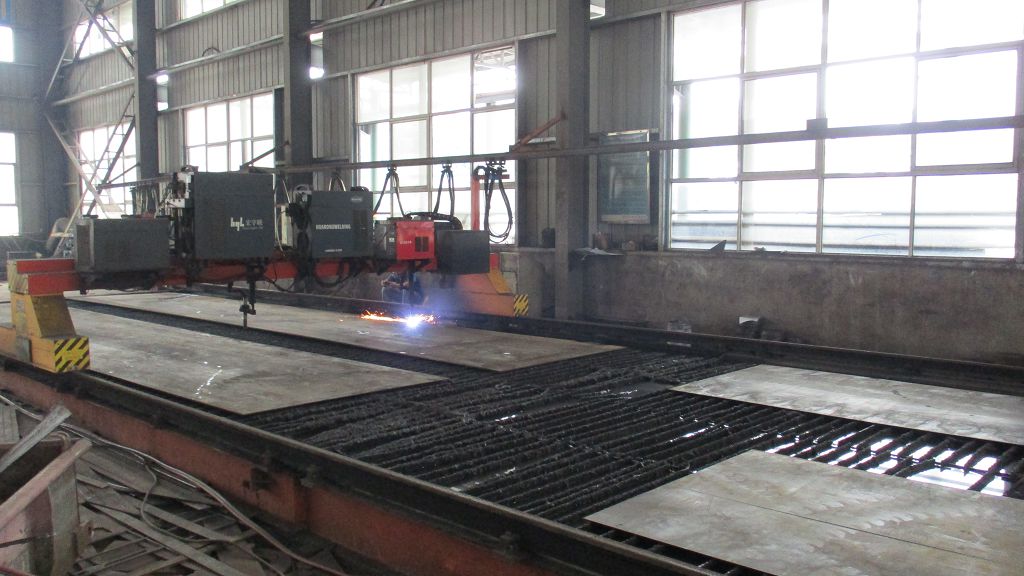
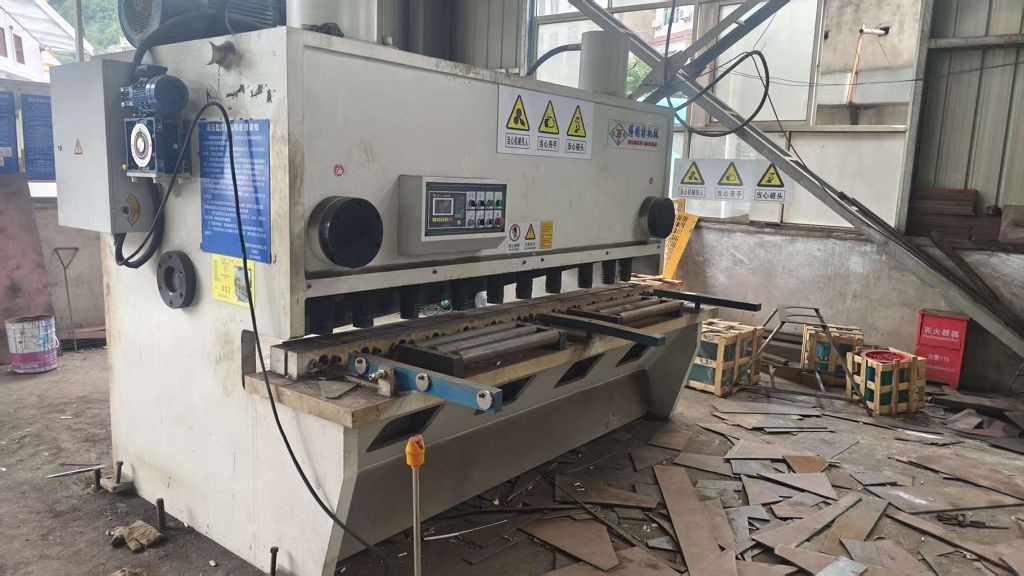
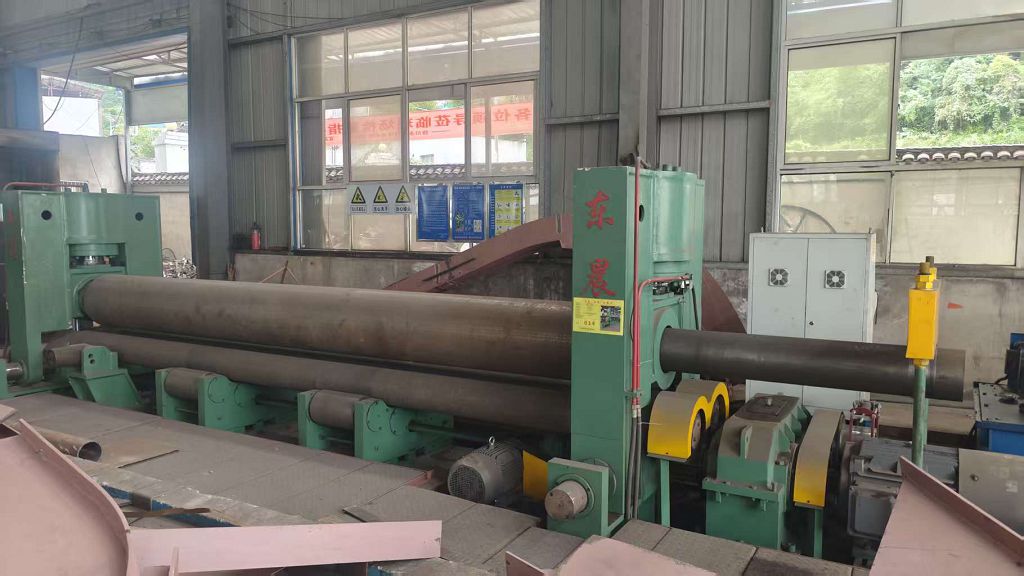
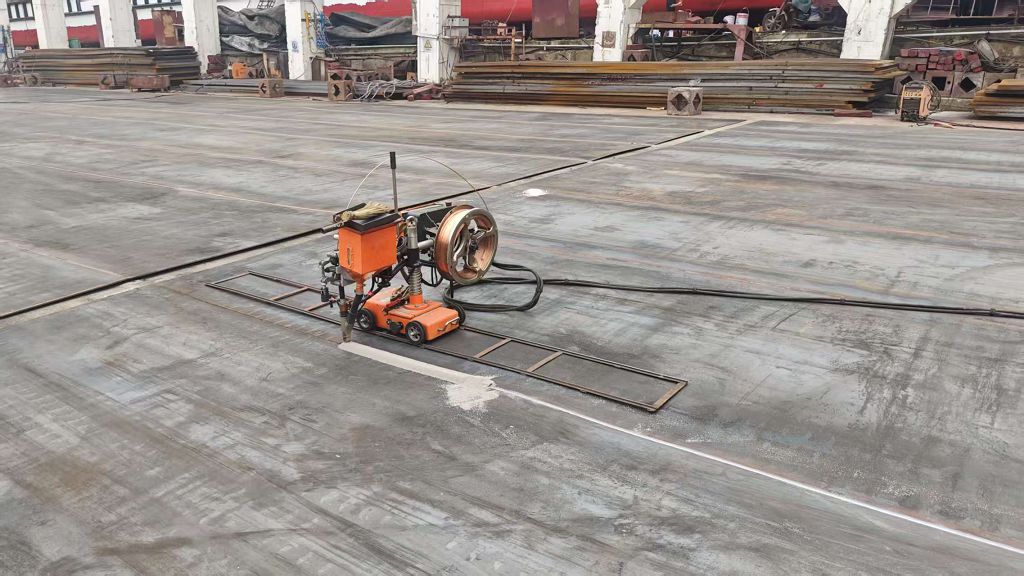
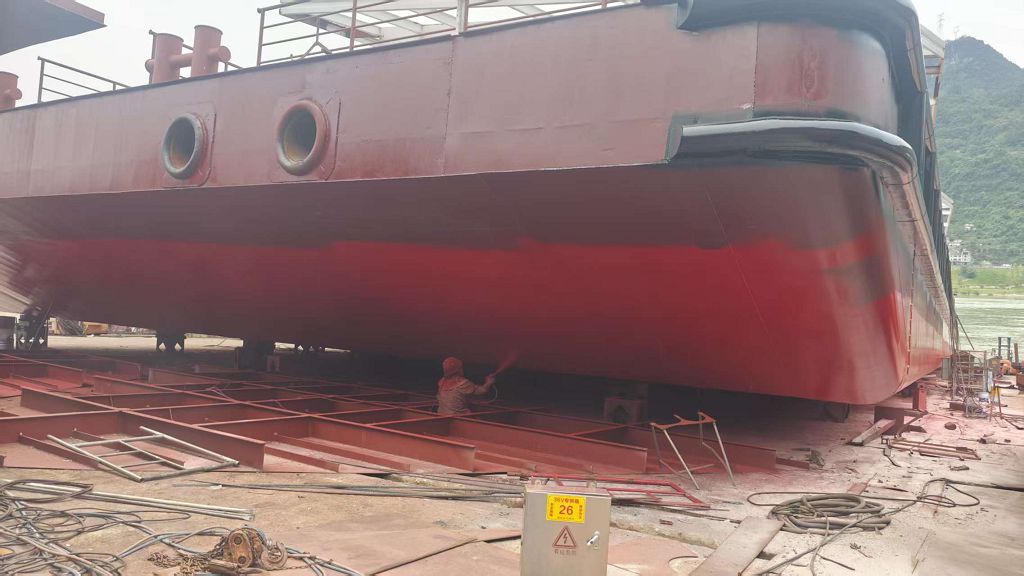
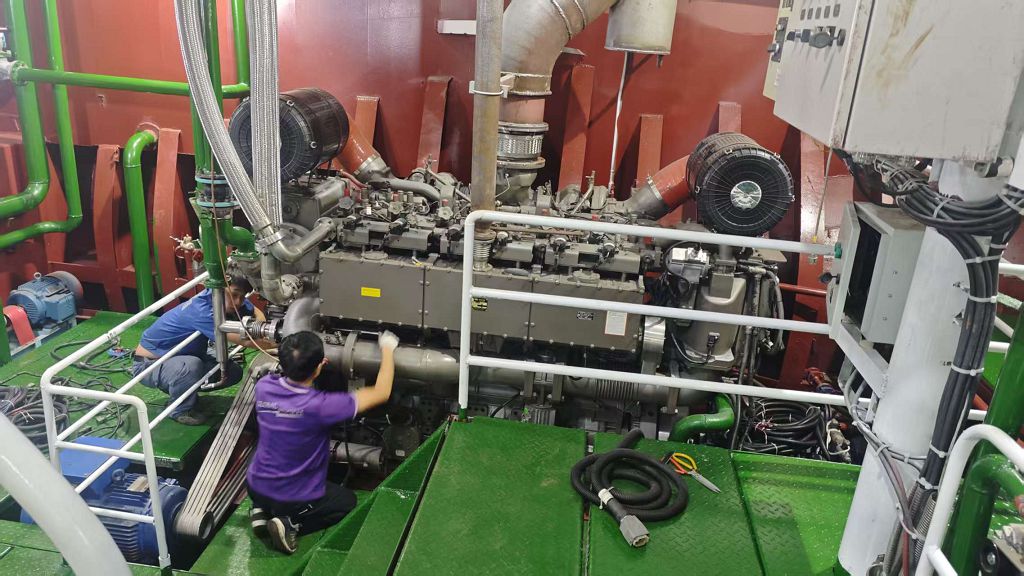
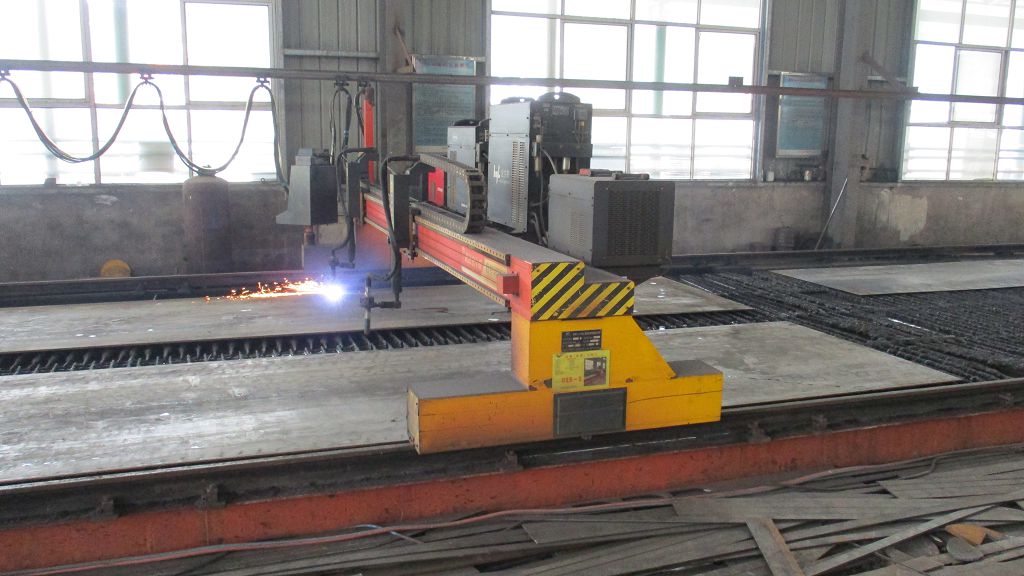
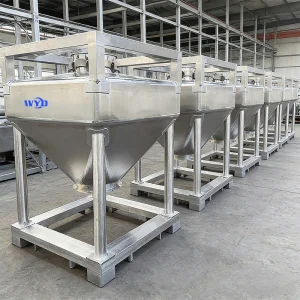
High-precision processing, advanced structural welding, and automated surface treatment pipelines producing robust logistical equipment.
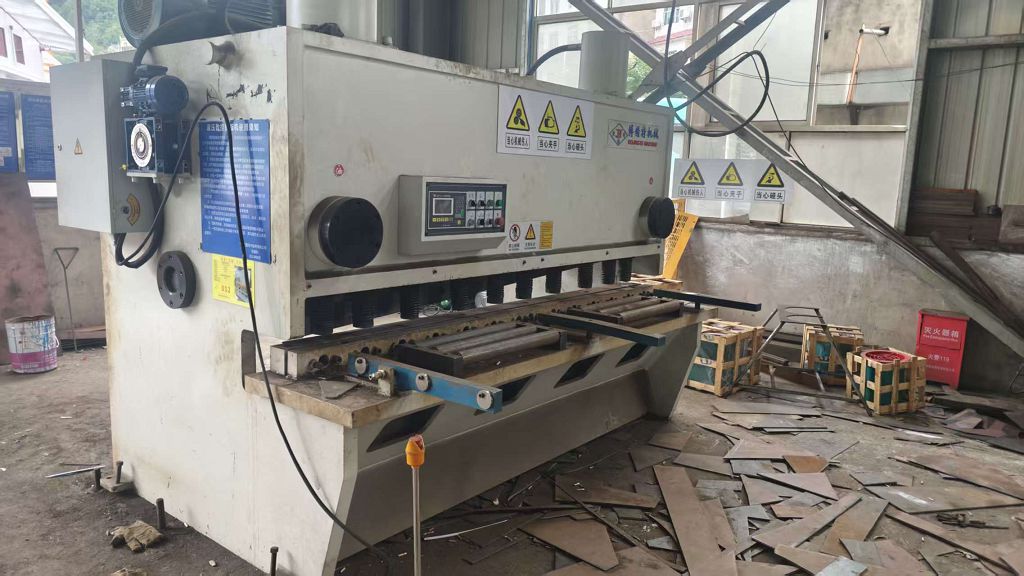
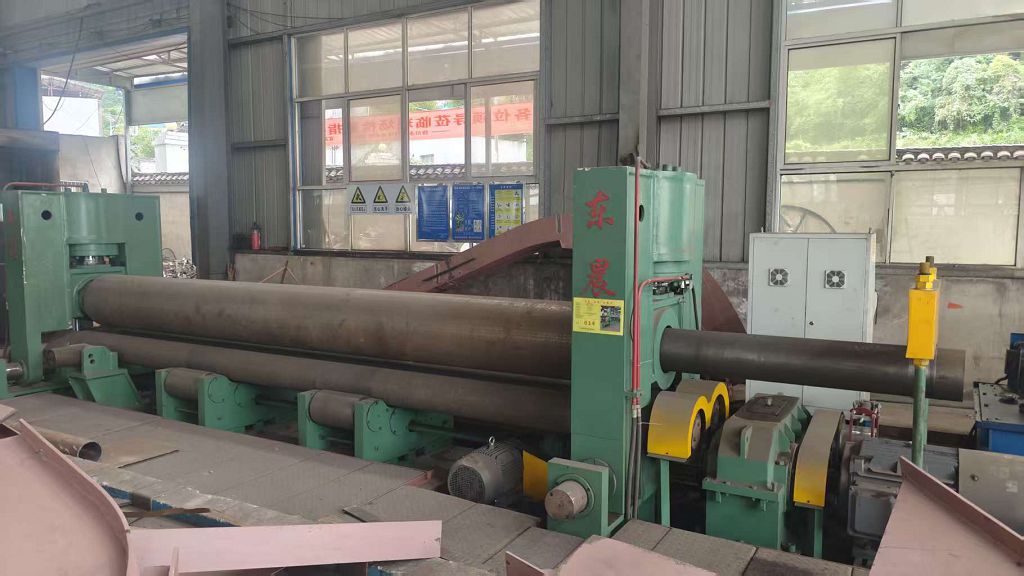
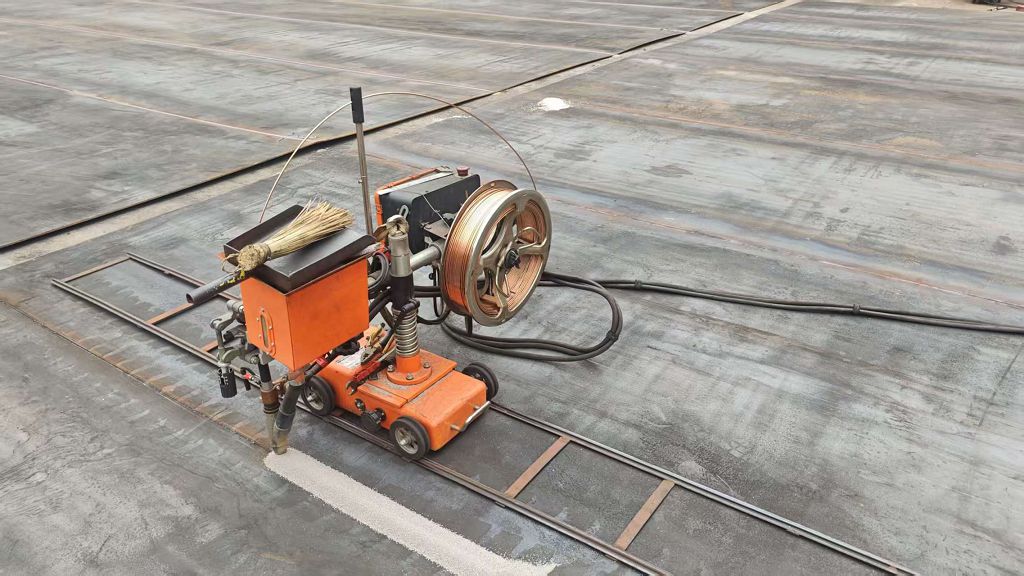
Logistics in Mexico is governed by specific regional, regulatory, and geographical requirements. Successful FCL freight management hinges on understanding these localized operational dynamics:
The automotive industry operates on strict Just-In-Time (JIT) and Just-In-Sequence (JIS) manufacturing schedules. If a single shipment of critical components is delayed, an entire assembly line can grind to a halt, costing OEMs thousands of dollars per minute. Our FCL solutions feature expedited customs clearance processes at the Port of Manzanillo, coupled with dedicated chassis fleets to transport engine parts and structural assemblies straight to plants in Querétaro and Puebla.
The northern industrial areas of Tijuana, Ciudad Juárez, and Monterrey require high volumes of electronic components. Cargo security during inland transit remains a primary concern in these regions. To mitigate risks, Leoti Logistics deploys premium, secure logistics solutions, including:
Mexico is a leading exporter of fresh produce, spirits, and agricultural goods to the global market. Using specialized Reefer Containers (Refrigerated FCL), we manage temperature-controlled supply chains for avocados from Michoacán and tequila from Jalisco to global ports. Precise temperature profiling and atmosphere monitoring are maintained from the packing plant to the final container discharge point.
The convergence of physical infrastructure and digital logistics technology is redefining FCL shipping. Over the next five years, Leoti Logistics is executing a strategic roadmap focused on three core pillars:
We are integrating digital twins of container inventories. By combining container status data with real-time AIS marine traffic intelligence, our system can simulate delays caused by adverse weather patterns or port congestion. This allows us to reroute vessels dynamically or pre-arrange alternative drayage operators before the vessel berths.
Customs clearance documentation is the most frequent point of friction in cross-border trade. Our proprietary AI systems ingest commercial invoices, bills of lading, and packing lists to auto-generate Mexican customs declarations (Pedimentos), matching items with their corresponding Harmonized System (HS) codes with high accuracy. This technology minimizes regulatory clearance delays at both Laredo/Nuevo Laredo border crossings and major sea gateways.
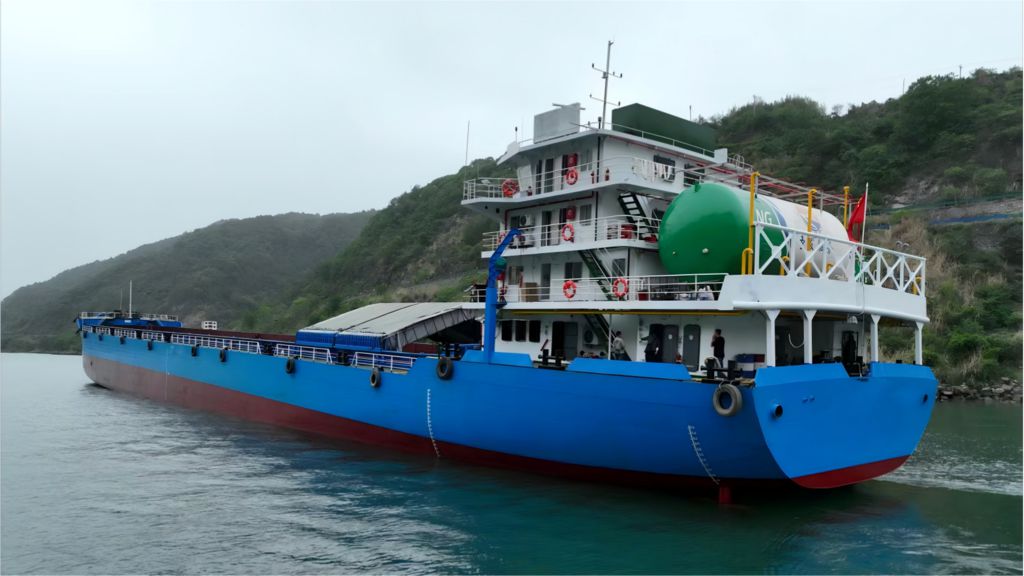
In step with global decarbonization goals, we are actively prioritizing carriers that utilize LNG-powered container ships and biofuels. Within Mexico, we are expanding partnerships with drayage firms that deploy newer, low-emission tractor fleets, assisting our multinational clients in meeting their global carbon reduction targets.
FCL shipping optimization is not simply about securing the lowest container rate. It requires managing the overall cost of transportation, including storage fees, container retention, demurrage, and import duties. Leoti Logistics offers comprehensive strategies to help shippers minimize these operational expenses:
Demurrage fees accrue inside the terminal when containers exceed their allowed free-time window. Detention fees accrue outside the terminal when empty containers are returned late. Leoti Logistics mitigates these costs through pre-negotiated, extended free-time agreements (up to 14–21 days) with major shipping alliances, coupled with proactive carrier tracking and localized container return coordination.
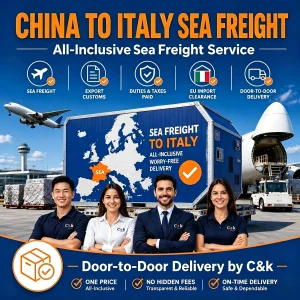
For many manufacturers, changing their shipping terms from CIF (Cost, Insurance, and Freight) to DDP (Delivered Duty Paid) or FCA (Free Carrier) provides greater control over transit routes and customs processing. Our local expertise throughout China and Mexico allows us to offer end-to-end DDP services, handling all international ocean transport, customs clearances, tariff payments, and last-mile trucking under a single, unified invoice.
Expert insights on navigating cross-border trade, port regulations, and container management within the Mexican logistics framework.
Robust cargo forwarding and distribution services linking China factories to key European, American, and Asian industrial ports.
Get in touch with our senior logistics planning team for competitive routing solutions, rate cards, and customized customs configurations.
Send Inquiry Now Leoti Logistics