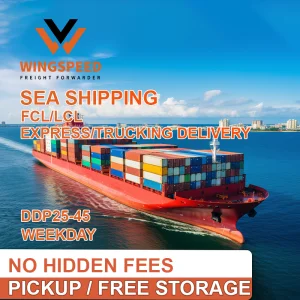
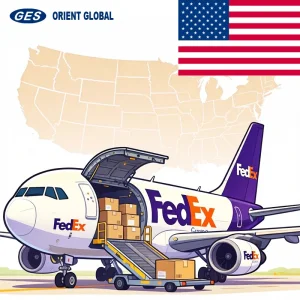
Engineered for efficiency, these selected consolidation services guarantee global compliance and optimal cost efficiency for global enterprises.
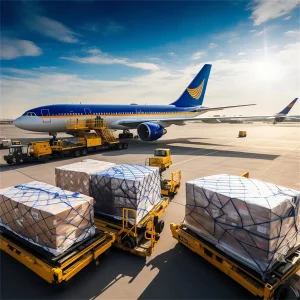
Shenzhen Leoti Logistics Co., Ltd. is a modern international logistics company dedicated to providing comprehensive and efficient global freight solutions. The company primarily specializes in import and export freight forwarding, including air freight, ocean shipping, international express delivery, rail transport, and road transportation services.
In addition to core transportation services, Leoti Logistics offers a full range of one-stop logistics solutions, such as customs clearance, warehousing, cargo consolidation, trailer transportation, and trade agency services. Our goal is to simplify global trade for our clients by providing seamless end-to-end logistics support.
As a trusted booking agent for multiple leading shipping lines and airlines, the company is able to secure competitive cargo space in major global port cities, including Shenzhen, Guangzhou, Shanghai, Ningbo, Xiamen, Qingdao, Tianjin, Dalian, Beijing, and Lianyungang. Through strong partnerships with local warehouses, trucking fleets, and customs brokers, Leoti ensures smooth and efficient operations at every major port.
Over the years, Shenzhen Leoti Logistics has actively expanded its overseas logistics network. Today, we cooperate with more than 200 global agents covering Europe, North America, South America, Africa, Oceania, Central Asia, and Southeast Asia. This extensive network allows us to provide reliable international air freight, sea freight, express delivery, customs clearance, and last-mile delivery services worldwide.
Our overseas operations team maintains 24/7 real-time communication with international partners, ensuring timely coordination and secure handling of all shipments. This continuous communication helps guarantee cargo safety, operational efficiency, and customer satisfaction.
Leoti Logistics is proud of its strong core advantages. Our experienced and highly professional logistics team is well-versed in international shipping procedures and has in-depth knowledge of customs regulations and trade policies across different countries. This expertise enables us to design precise logistics solutions, effectively reduce operational risks, and optimize costs for our clients.
Supported by an advanced logistics information system, we provide real-time tracking throughout the entire transportation process. Customers can monitor their shipments at any time with full transparency and confidence.
At Shenzhen Leoti Logistics, we always adhere to a customer-first service philosophy. From order placement to final delivery, we offer personalized, one-on-one service to ensure that every client’s needs are responded to quickly and handled professionally.
Looking ahead, Shenzhen Leoti Logistics Co., Ltd. will continue to expand its global presence, enhance service quality, and strengthen its integrated logistics capabilities. Our vision is to become a leading international logistics enterprise and contribute to the growth and efficiency of global trade.
In modern trade, managing logistics costs while maintaining manufacturing flow has become a significant challenge for industrial firms. Over the past decade, globalization has undergone a transformation. Geopolitical shifts, fluctuating fuel prices, and regional port congestions have driven supply chain professionals to seek flexible solutions that optimize transport expenditures without risking inventory depletion. Here, Less-than-Container Load (LCL) shipping plays a vital role as a fundamental strategy for supply chain flexibility.
Multimodal transit systems, combining sea freight, rail freight, and local trucking, offer a strategic alternative to expensive air freight. For instance, shipping goods from consolidation hubs in China via ocean routes to gateway ports in the United States or Western Europe, followed by expedited truck deliveries, achieves a cost-efficient balance. This hybrid model helps enterprises mitigate the high rates of air charter services while preventing the delays associated with standard port congestion.
LCL relies on cargo volume aggregation. By combining freight from multiple shippers into a single container, consolidators achieve high capacity utilization. Shippers pay only for the volume they use (per cubic meter - CBM), making it a viable option for small-to-medium enterprises (SMEs) and project developers. Through organized warehousing and container stuffing practices, freight forwarders minimize empty space, reduce carbon footprints, and lower per-unit transportation costs.
Optimizing cubic space through advanced load configuration and consolidation processes to minimize empty container space.
Strategic management of HS classifications, import regulations, and tax minimization to ensure compliant customs clearance.
Continuous cargo tracking, status monitoring, and automated updates at critical touchpoints during global transport.
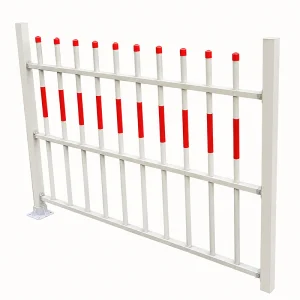
China's logistics network relies heavily on its robust manufacturing sector. Under the China Industry 4.0 framework, factories have evolved beyond basic assembly line processing, incorporating advanced automated technologies to improve quality and speed. For instance, metal fabrication, component processing, and customized FRP (Fiber Reinforced Polymer) engineering use automated equipment to meet strict international standards.
A key aspect of supply chain resilience is the integration of fabrication and logistics. Product assets like customized FRP components, heavy structure accessories, and tailored metal components require specialized packing and transport support. Automated cutting, welding, and surface treatment facilities ensure that structural assets are fabricated precisely to standard designs, minimizing structural assembly errors during on-site integration abroad.
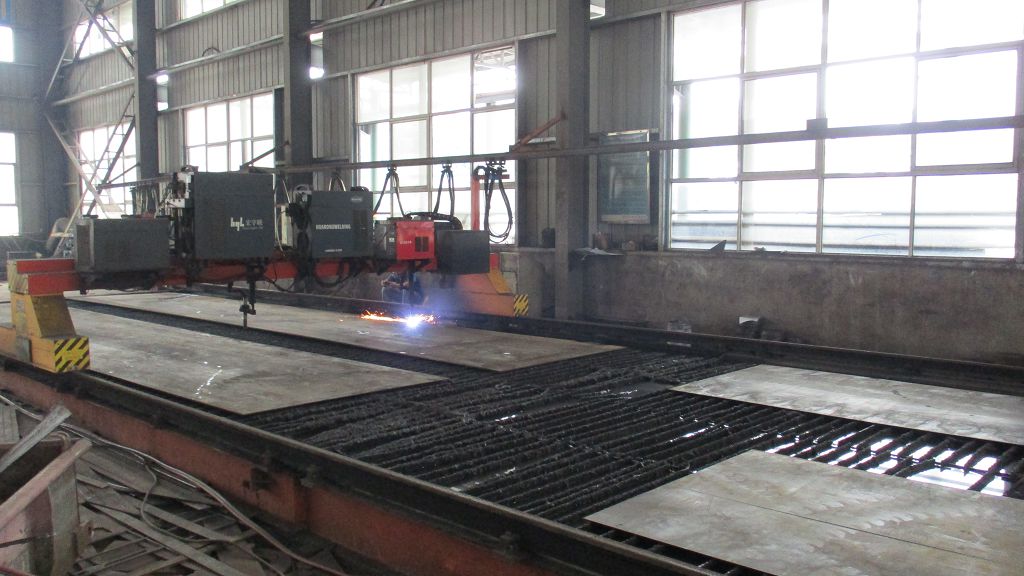
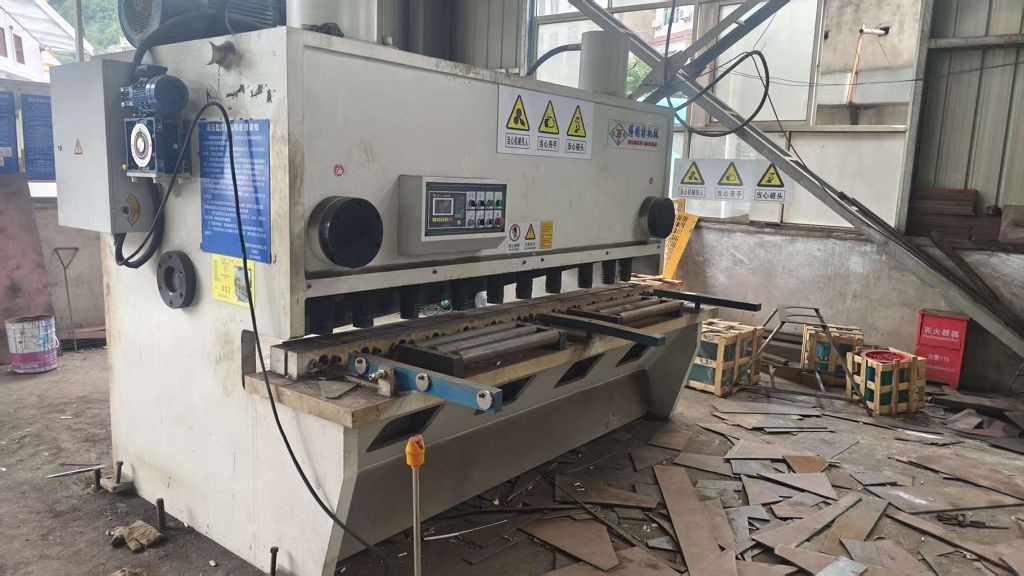
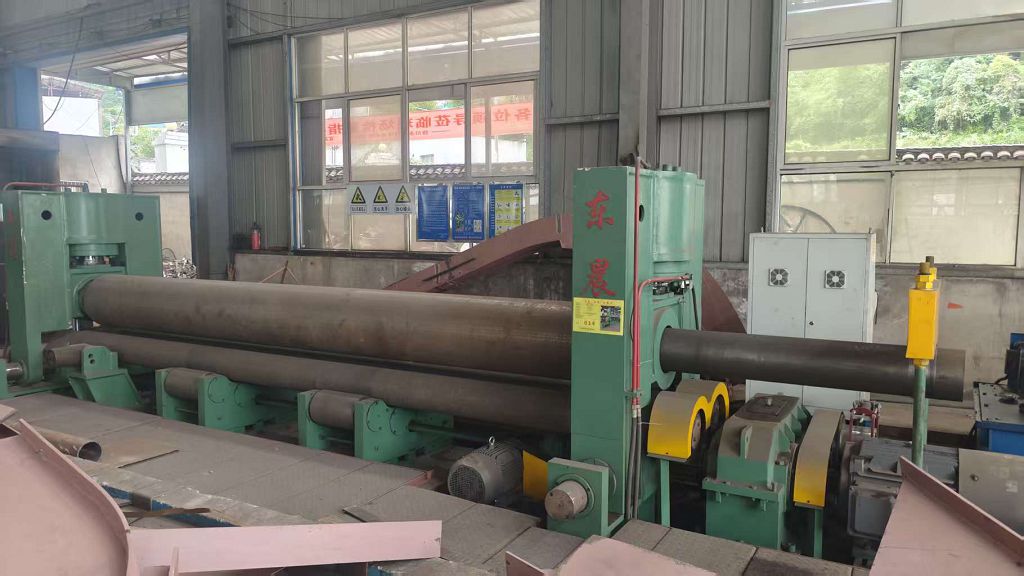
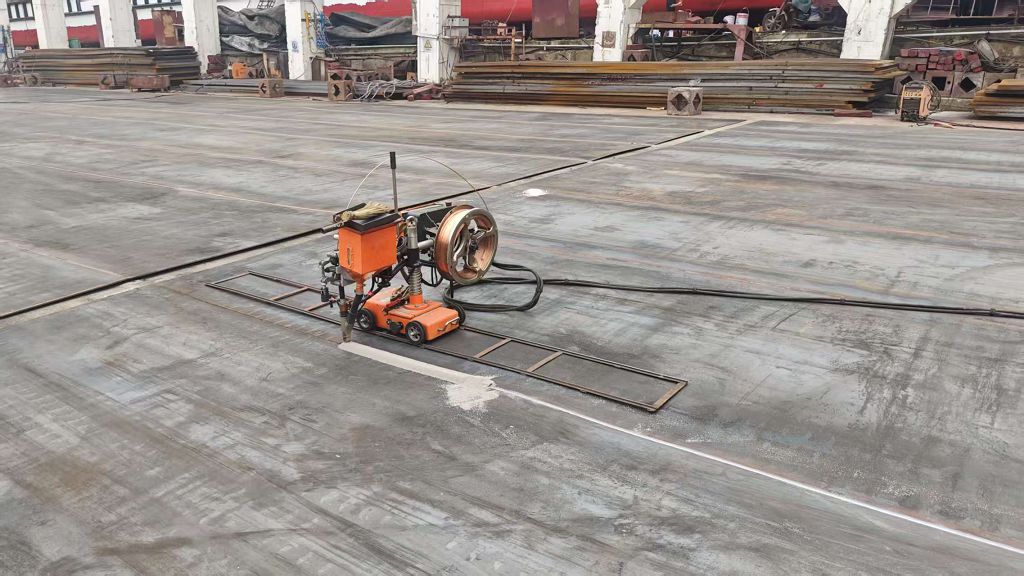
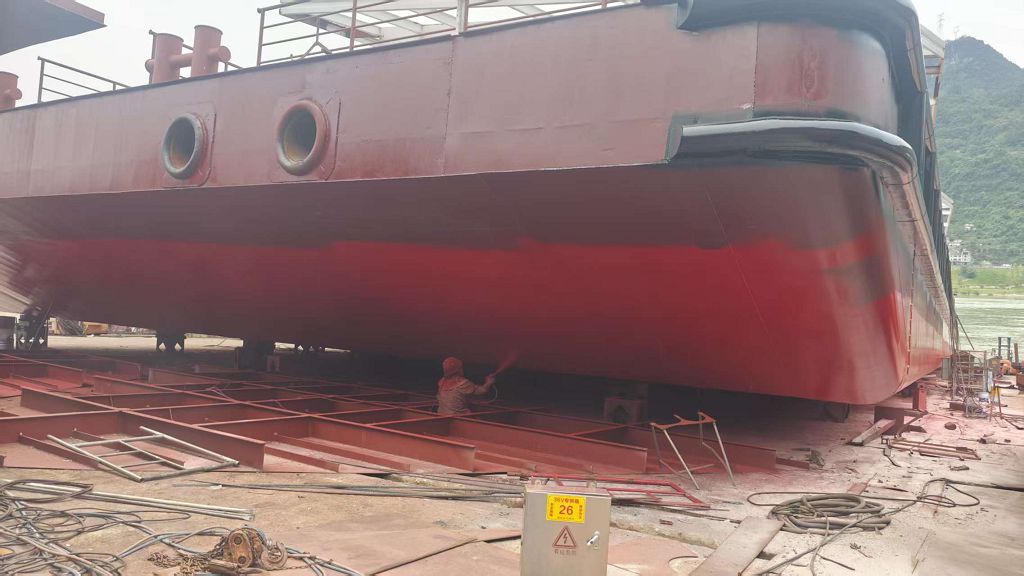
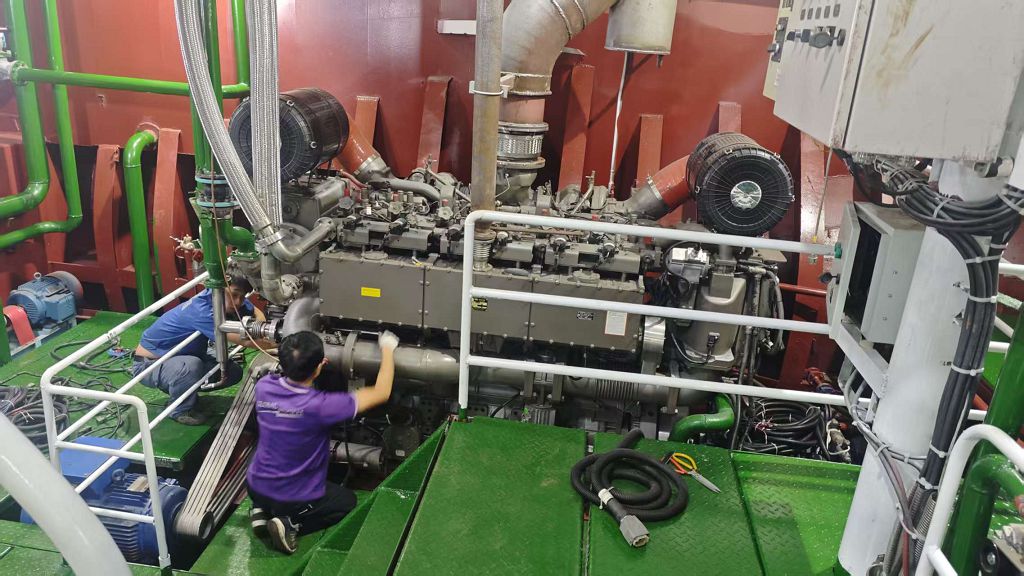
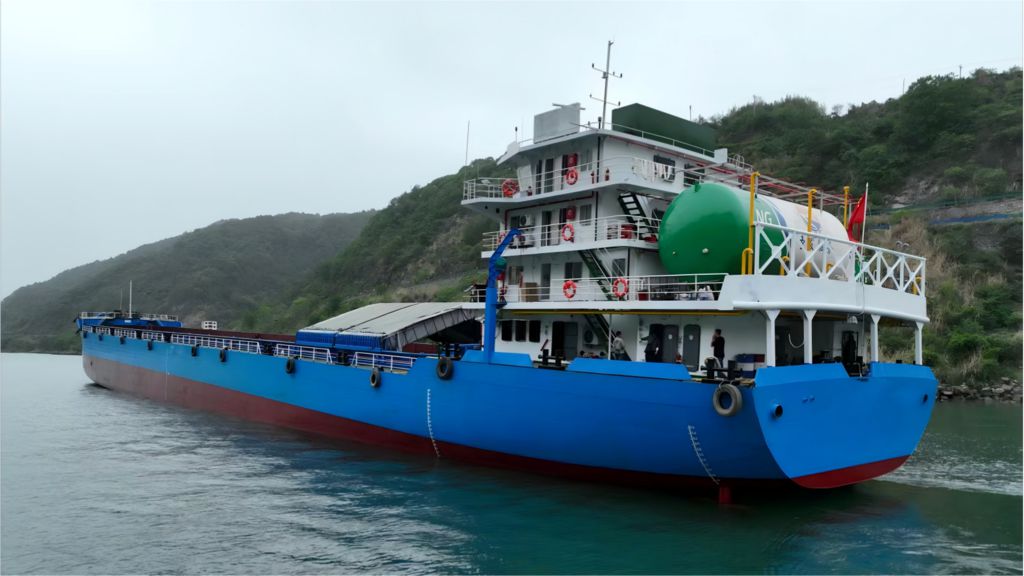
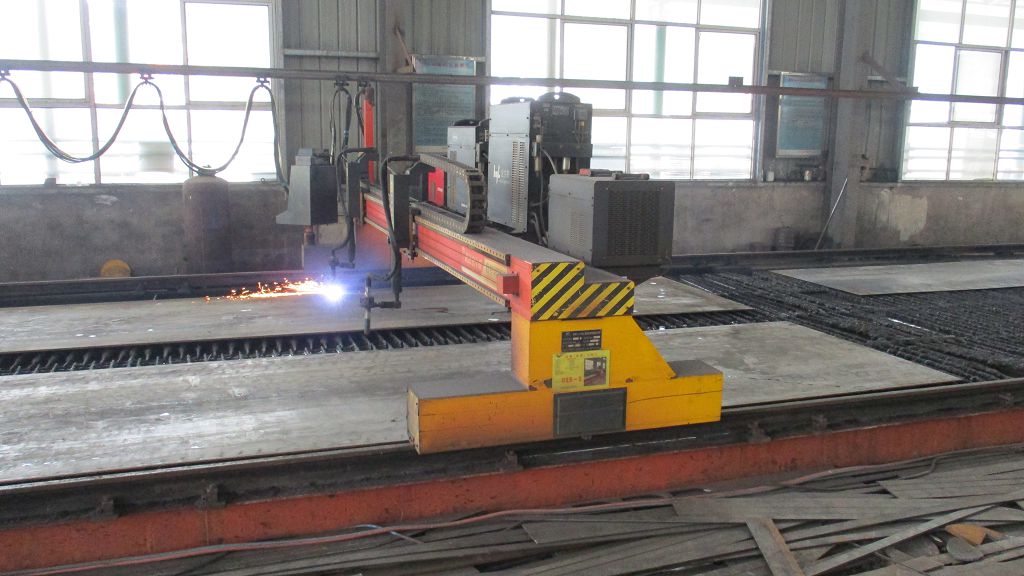
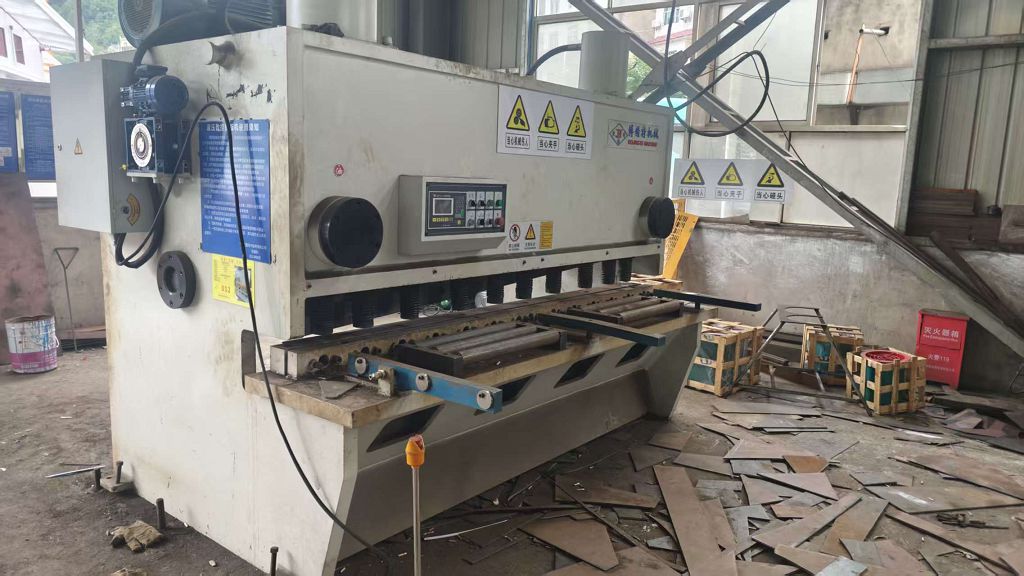
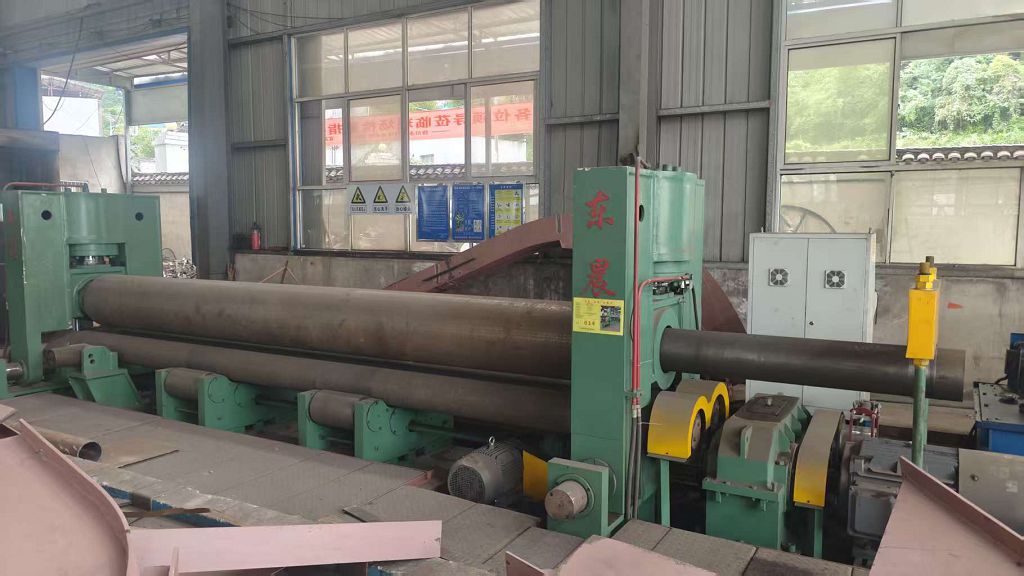
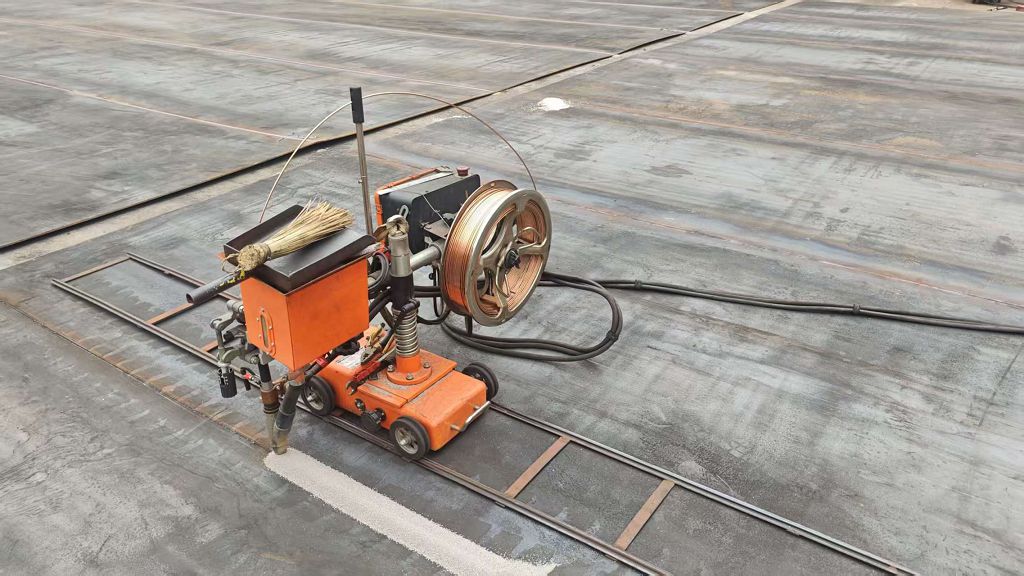
Furthermore, proper packaging is essential for long-distance transport. Industrial assets undergo specialized processing, including anti-corrosion painting, vacuum sealing, and high-impact structural packing, to ensure protection against sea spray and moisture during consolidation transit. The integration of advanced machinery and custom packaging techniques helps safeguard cargo throughout its journey.
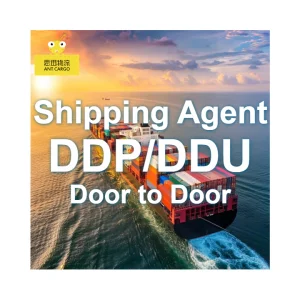
International procurement requires a clear understanding of shipping terms (Incoterms) and custom policies. Buyers must evaluate the cost-benefit balance of terms like FOB, CIF, EXW, DDP, and DDU. Selecting the correct Incoterm determines the division of responsibility between the shipper and the buyer for freight charges, customs processes, duties, and insurance coverages.
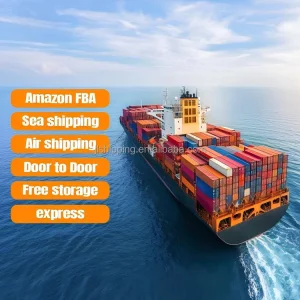
For example, e-commerce retailers and fast-moving consumer goods (FMCG) businesses often favor DDP (Delivered Duty Paid) arrangements to simplify logistics management. Under DDP terms, the freight forwarder handles all export and import customs clearances, inland transport, and local duties, delivering cargo directly to destination warehouses, such as Amazon FBA fulfillment centers.
The logistics sector is undergoing a digital transformation. Smart LCL shipping uses machine learning algorithms to optimize container space, automate freight consolidation schedules, and reduce transport delays. Advanced consolidation software enables real-time tracking, providing logistics coordinators with precise location and environmental status updates.
In addition, sustainable initiatives are shaping the future of global logistics. International shipping lines and freight forwarders are implementing measures to monitor and reduce carbon emissions. Choosing optimized LCL routes, utilizing energy-efficient warehouses, and transitioning to green delivery fleets help enterprises align their supply chain operations with modern environmental standards.
Successfully navigating customs clearance is critical to avoiding supply chain bottlenecks. Each region maintains specific import rules, tariff codes, and inspection procedures. Shippers must ensure all cargo documentation is complete and accurate to prevent unexpected delays and storage costs at destination ports.
Key requirements for international trade compliance include:
Get professional insights into global LCL consolidation, customs clearance, and logistics management.
Explore our specialized cargo logistics routes, international air cargo solutions, and customized distribution services.

 Leoti Logistics