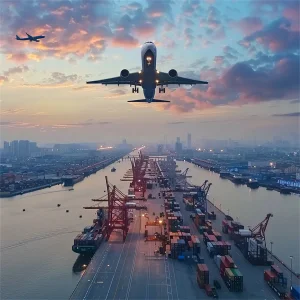
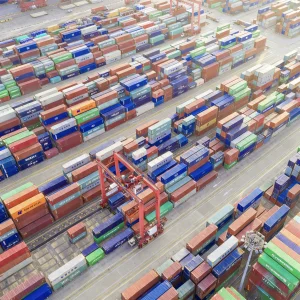
Explore our premier air, ocean, and express shipping routes engineered to lower custom OEM landed costs through intelligent cargo consolidation.
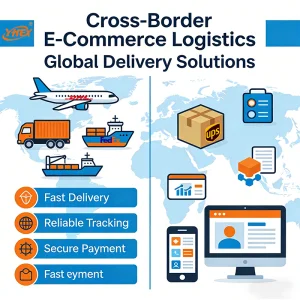

In modern manufacturing, global operations necessitate an extremely precise breakdown of transportation parameters. Custom OEM Shipping Cost Analysis is not merely a calculations check—it is a strategic framework that governs global landed costs, supply chain margins, and ultimate delivery efficiency. For original equipment manufacturers (OEMs) and cross-border suppliers, a deep understanding of ocean freight variables, weight-to-volume configurations, customs regimes, and warehouse interfaces is the primary filter for maintaining cost competitiveness.
Modern global commerce operates under perpetual volatile pressure. From shifting geopolitical trade barriers to fluctuations in marine fuel bunkers (IMO 2020 low-sulfur standards), logistics networks must remain agile. For heavy machinery, precision components, and customized structural goods, shipping costs can constitute anywhere from 15% to 35% of the total cost of goods sold (COGS). A structured custom OEM logistics framework helps enterprises transition from retrospective cost calculations to predictive supply chain engineering.
Analyzing costs beyond basic ocean rates. Our modeling includes terminal handling charges (THC), documentation, export clearances, import duties, inland drayage, and last-mile delivery.
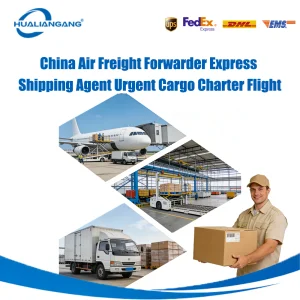
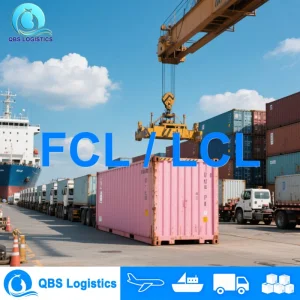
Evaluating standard LCL/FCL sea cargo against premium air freight chartering. Optimizing lead times versus logistics cost margins dynamically using AI routing data.
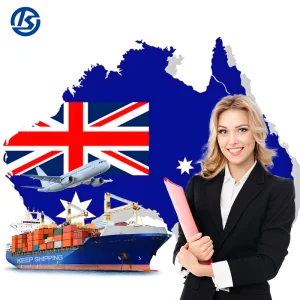
Navigating HS Codes classification and customs clearance matrices across key destinations like North America, European Union, Saudi Arabia, Pakistan, and Australia.
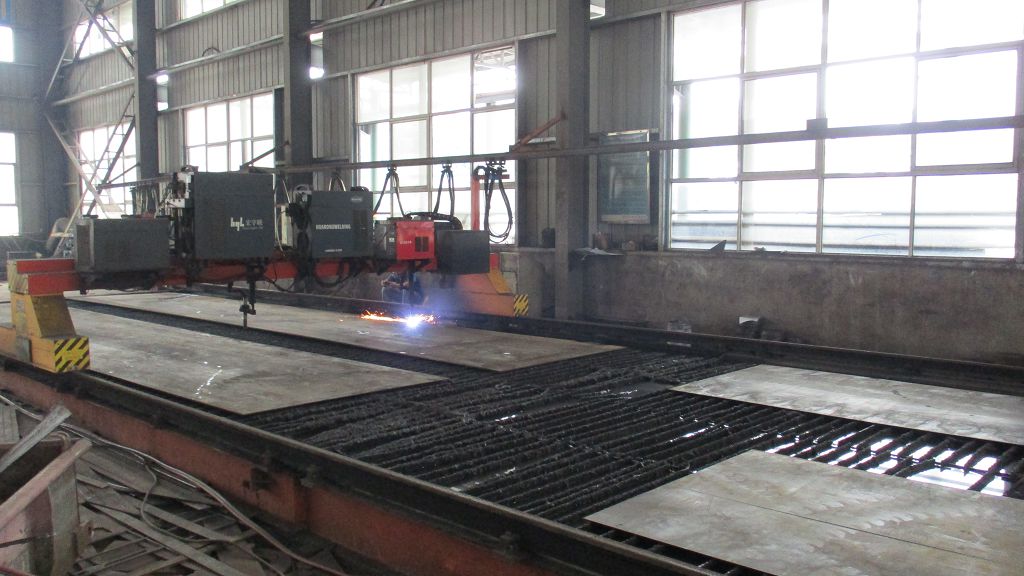
The manufacturing ecosystem of China has evolved from simple raw component processing to high-end automated manufacturing. Industry 4.0 integration pairs robotics, automated welding, CNC laser cutting, and digital material supply chains directly with logistics scheduling. When factories synchronize production directly with carrier booking agents, the lead times and container loading factors improve drastically.
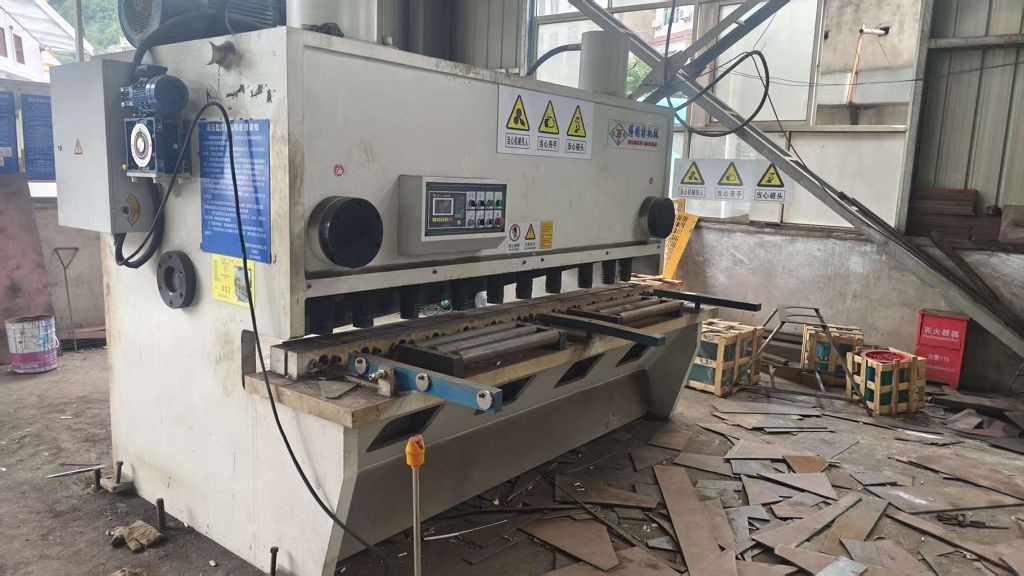
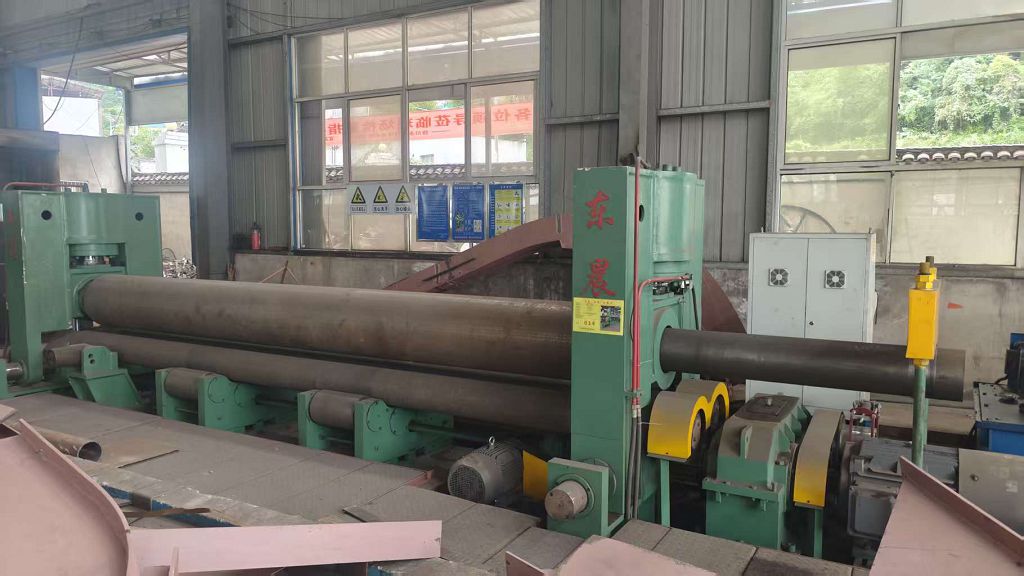
For instance, when fabricating custom metal assemblies—such as structural beams or machine frames—the shipping cost is highly sensitive to dimensional weight rules. By implementing automated shearing, rolling, and precision welding, product dimensions can be modified slightly to fit standard 20-foot and 40-foot container geometries (maximizing container stuffing density). This close relationship between manufacturing execution systems (MES) and logistics execution is what sets top Chinese OEM suppliers and booking agents apart.
| Logistics Phase | Key Cost Elements | Optimization Strategy | Impact on Margin |
|---|---|---|---|
| Origin Consolidation | Inland trucking, warehousing, export documentation, export clearance. | Consolidate cargo at regional hub warehouses (Shenzhen, Ningbo, Shanghai) to build full container loads (FCL). | 12% - 18% savings |
| Ocean Transit | Base ocean rates, Bunker Adjustment Factor (BAF), peak season surcharges. | Secure direct booking contracts with multiple major ocean carriers (COSCO, MSK, ONE) to bypass secondary freight brokers. | 15% - 25% savings |
| Destination Delivery | Import duties, port handling, last-mile drayage, warehousing. | Implement specialized DDP (Delivered Duty Paid) multi-modal transport with regional local agents. | 8% - 15% savings |
Supply chain challenges differ by geographic region. A professional shipping cost analysis must adapt to localized infrastructure realities:
Shenzhen Leoti Logistics Co., Ltd. is a modern international logistics company dedicated to providing comprehensive and efficient global freight solutions. The company primarily specializes in import and export freight forwarding, including air freight, ocean shipping, international express delivery, rail transport, and road transportation services.
In addition to core transportation services, Leoti Logistics offers a full range of one-stop logistics solutions, such as customs clearance, warehousing, cargo consolidation, trailer transportation, and trade agency services. Our goal is to simplify global trade for our clients by providing seamless end-to-end logistics support.
As a trusted booking agent for multiple leading shipping lines and airlines, the company is able to secure competitive cargo space in major global port cities, including Shenzhen, Guangzhou, Shanghai, Ningbo, Xiamen, Qingdao, Tianjin, Dalian, Beijing, and Lianyungang. Through strong partnerships with local warehouses, trucking fleets, and customs brokers, Leoti ensures smooth and efficient operations at every major port.
Over the years, Shenzhen Leoti Logistics has actively expanded its overseas logistics network. Today, we cooperate with more than 200 global agents covering Europe, North America, South America, Africa, Oceania, Central Asia, and Southeast Asia. This extensive network allows us to provide reliable international air freight, sea freight, express delivery, customs clearance, and last-mile delivery services worldwide.
Our overseas operations team maintains 24/7 real-time communication with international partners, ensuring timely coordination and secure handling of all shipments. This continuous communication helps guarantee cargo safety, operational efficiency, and customer satisfaction.
Leoti Logistics is proud of its strong core advantages. Our experienced and highly professional logistics team is well-versed in international shipping procedures and has in-depth knowledge of customs regulations and trade policies across different countries. This expertise enables us to design precise logistics solutions, effectively reduce operational risks, and optimize costs for our clients.
Supported by an advanced logistics information system, we provide real-time tracking throughout the entire transportation process. Customers can monitor their shipments at any time with full transparency and confidence.
At Shenzhen Leoti Logistics, we always adhere to a customer-first service philosophy. From order placement to final delivery, we offer personalized, one-on-one service to ensure that every client’s needs are responded to quickly and handled professionally.
Looking ahead, Shenzhen Leoti Logistics Co., Ltd. will continue to expand its global presence, enhance service quality, and strengthen its integrated logistics capabilities. Our vision is to become a leading international logistics enterprise and contribute to the growth and efficiency of global trade.
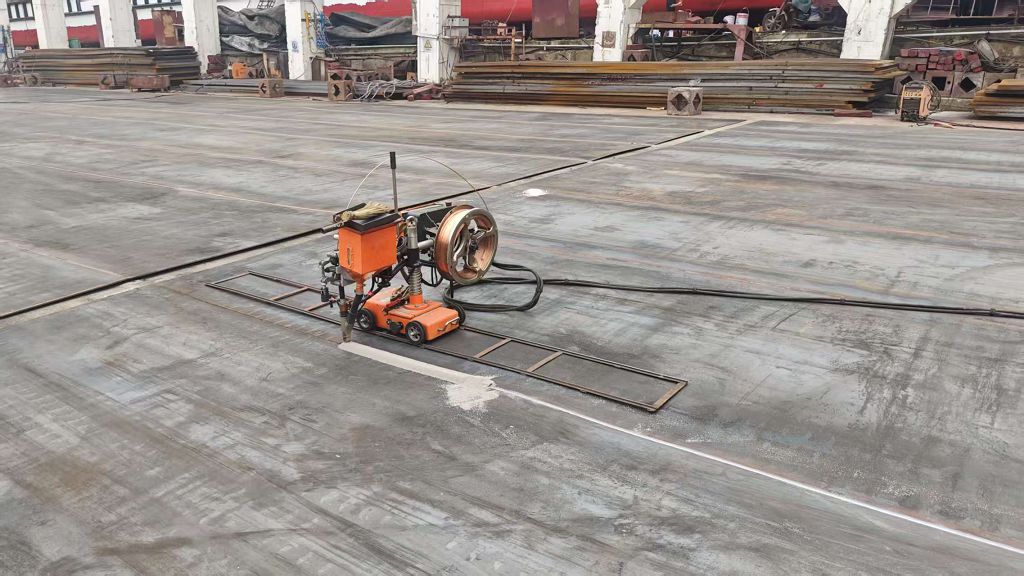
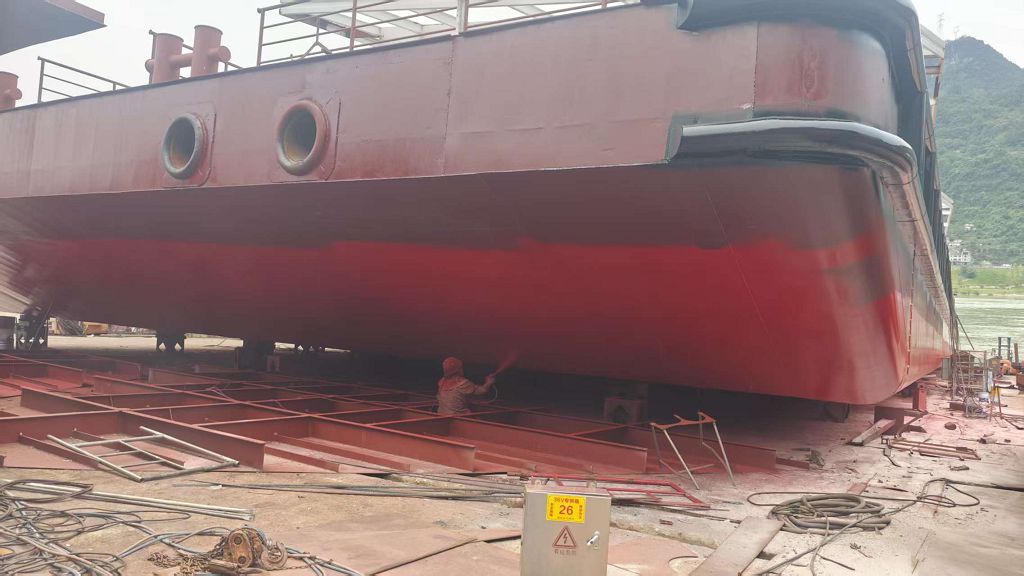
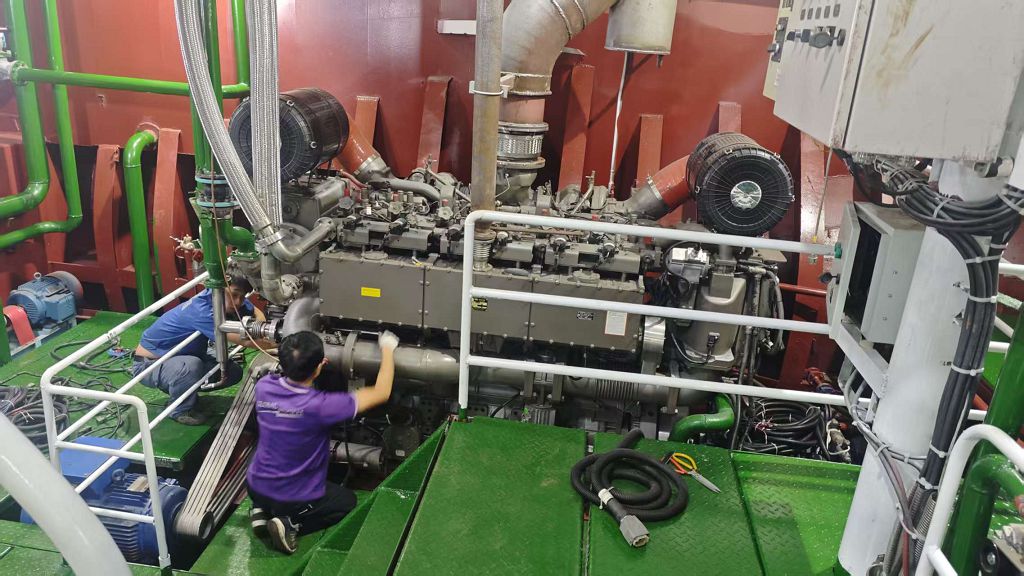
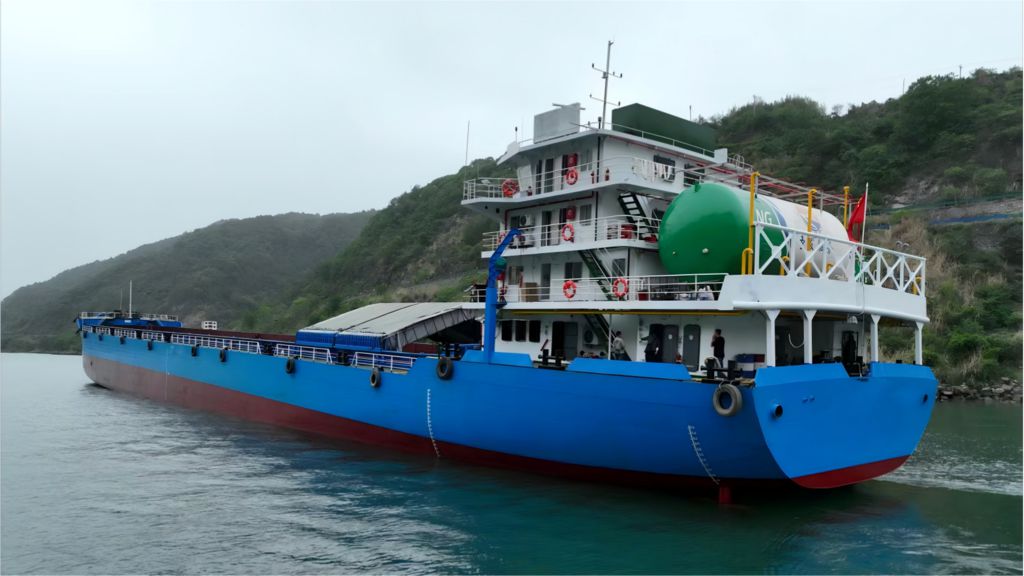
Our integrated logistics capabilities support high-precision manufacturing operations. Below is a look inside the modern machinery and production steps that feed directly into our global distribution pipelines.
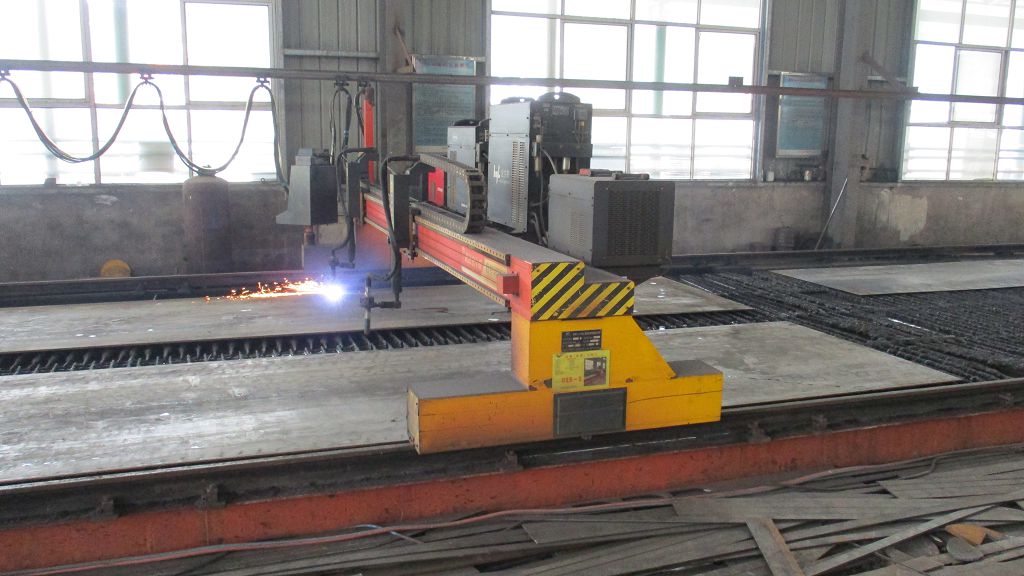
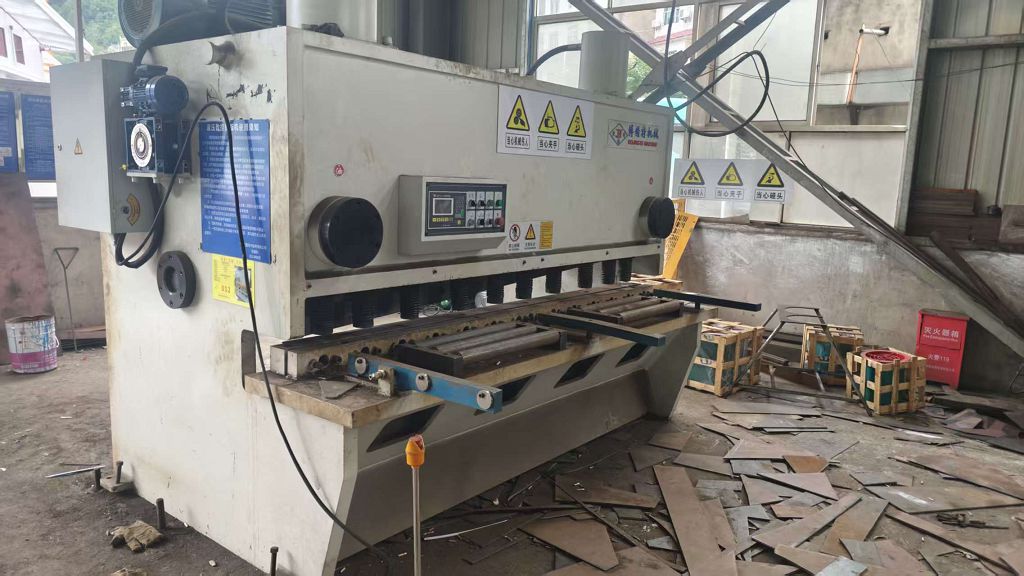
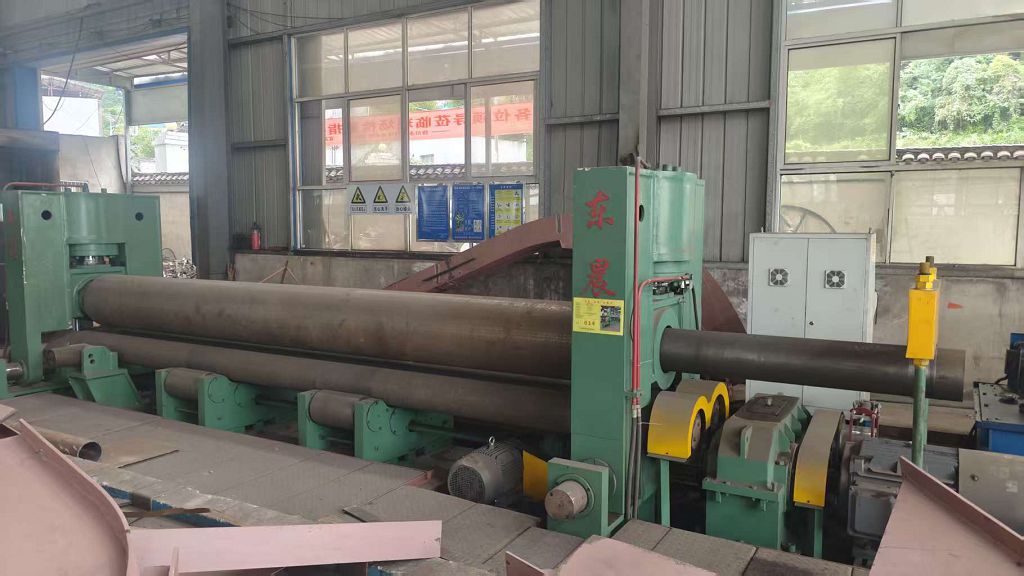
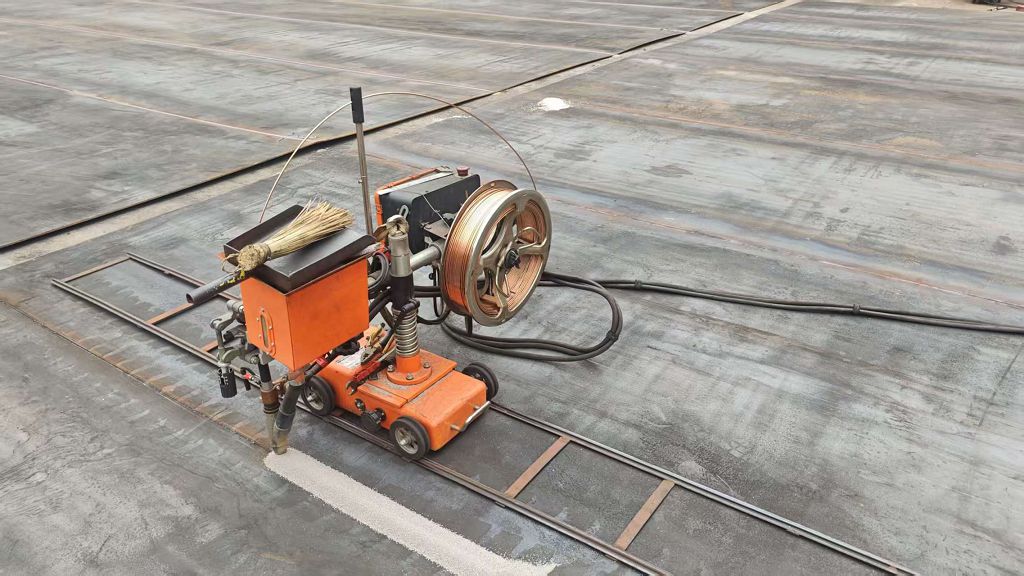
Essential insights for global operations and procurement teams looking to optimize their cross-border shipping parameters.
Select your optimal route from our full suite of forwarding, project cargo, and dropshipping distribution solutions.
 Leoti Logistics