China Wholesale Air Freight Rate Comparison & Factory Freight Solutions

Leveraging Industrial Logistics Engineering, Booking Aggregations, and AI-Driven Strategic Freight Routing for Global Supply Chain Resilience.

Global Logistics Whitepaper

1. The Macro Industrial Landscape of Air Freight Rate Optimization

In the modern era of high-speed manufacturing, supply chains are no longer simple transaction corridors; they are dynamic, volatile networks defined by speed, precision, and economic adaptability. When procuring from China, global enterprises face a critical logistics paradox: balancing speed of execution with cost efficiency. While sea freight offers high volume capacity, dynamic market fluctuations and rapid product life cycles make China wholesale air freight rate comparisons a fundamental operational requirement for modern manufacturing operations.

Currently, global industrial logistics has entered an era of rapid transition. Post-pandemic supply chains have institutionalized "China+1" diversification, meaning logistics ports must remain agile. Shippers require granular insights into air corridors, belly capacity vs. pure freighter trends, fuel surcharge calculations (BAF), and peak season rate structures. By comparing rates across air freight alliances and direct factory logistics pathways, organizations can secure cost-containment margins and protect critical operations against capacity bottlenecks.

200+
Global Agent Partners
99.8%
On-time Delivery Rate
24/7
Real-time GPS Tracking
10+
Core Cargo Hub Hubs

2. Our Story: Elevating Global Cargo Integrity

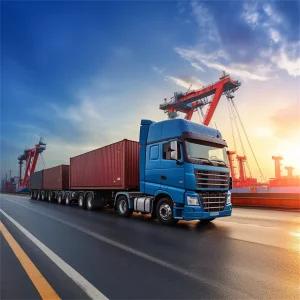
Shenzhen Leoti Logistics Co., Ltd. is a modern international logistics company dedicated to providing comprehensive and efficient global freight solutions. The company primarily specializes in import and export freight forwarding, including air freight, ocean shipping, international express delivery, rail transport, and road transportation services.

In addition to core transportation services, Leoti Logistics offers a full range of one-stop logistics solutions, such as customs clearance, warehousing, cargo consolidation, trailer transportation, and trade agency services. Our goal is to simplify global trade for our clients by providing seamless end-to-end logistics support.

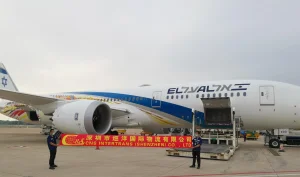
As a trusted booking agent for multiple leading shipping lines and airlines, the company is able to secure competitive cargo space in major global port cities, including Shenzhen, Guangzhou, Shanghai, Ningbo, Xiamen, Qingdao, Tianjin, Dalian, Beijing, and Lianyungang. Through strong partnerships with local warehouses, trucking fleets, and customs brokers, Leoti ensures smooth and efficient operations at every major port.

Over the years, Shenzhen Leoti Logistics has actively expanded its overseas logistics network. Today, we cooperate with more than 200 global agents covering Europe, North America, South America, Africa, Oceania, Central Asia, and Southeast Asia. This extensive network allows us to provide reliable international air freight, sea freight, express delivery, customs clearance, and last-mile delivery services worldwide. Our overseas operations team maintains 24/7 real-time communication with international partners, ensuring timely coordination and secure handling of all shipments. This continuous communication helps guarantee cargo safety, operational efficiency, and customer satisfaction.

"At Leoti Logistics, our experienced and highly professional logistics team is well-versed in international shipping procedures and has in-depth knowledge of customs regulations and trade policies across different countries. This expertise enables us to design precise logistics solutions, effectively reduce operational risks, and optimize costs for our clients."

Supported by an advanced logistics information system, we provide real-time tracking throughout the entire transportation process. Customers can monitor their shipments at any time with full transparency and confidence. We always adhere to a customer-first service philosophy. From order placement to final delivery, we offer personalized, one-on-one service to ensure that every client’s needs are responded to quickly and handled professionally. Looking ahead, Shenzhen Leoti Logistics Co., Ltd. will continue to expand its global presence, enhance service quality, and strengthen its integrated logistics capabilities to become a leading international logistics enterprise.

Manufacturing & Logistics Engineering

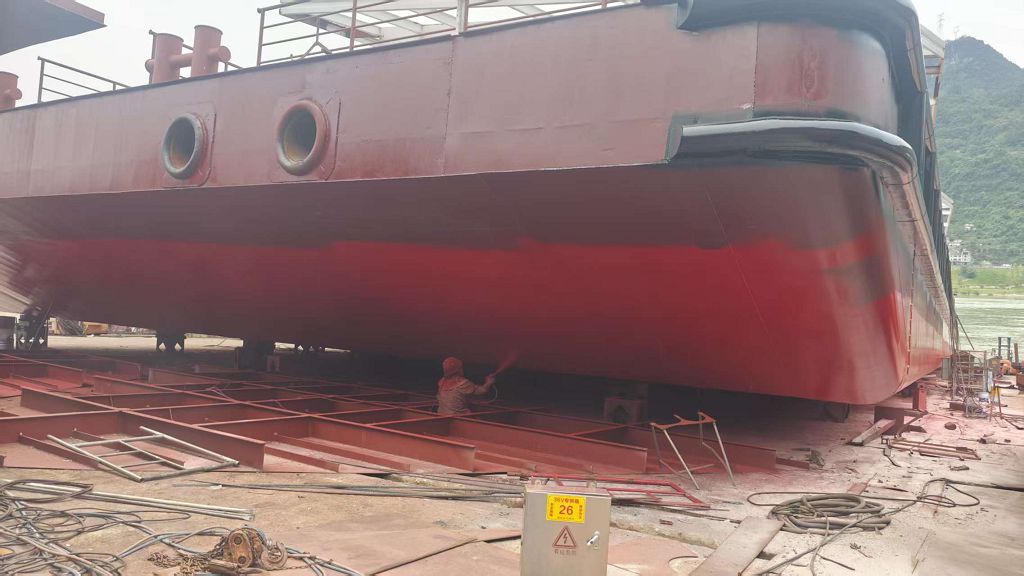
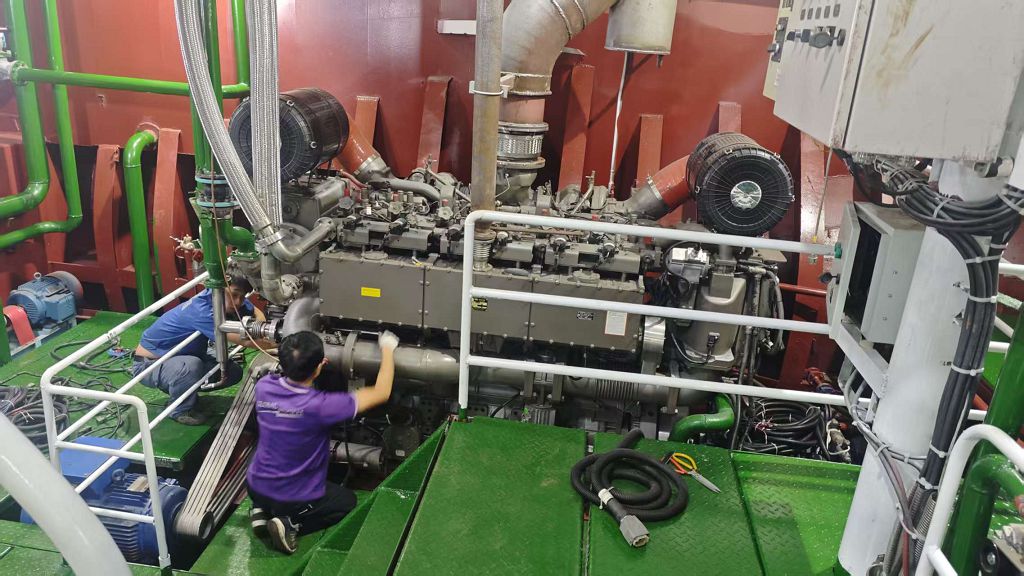
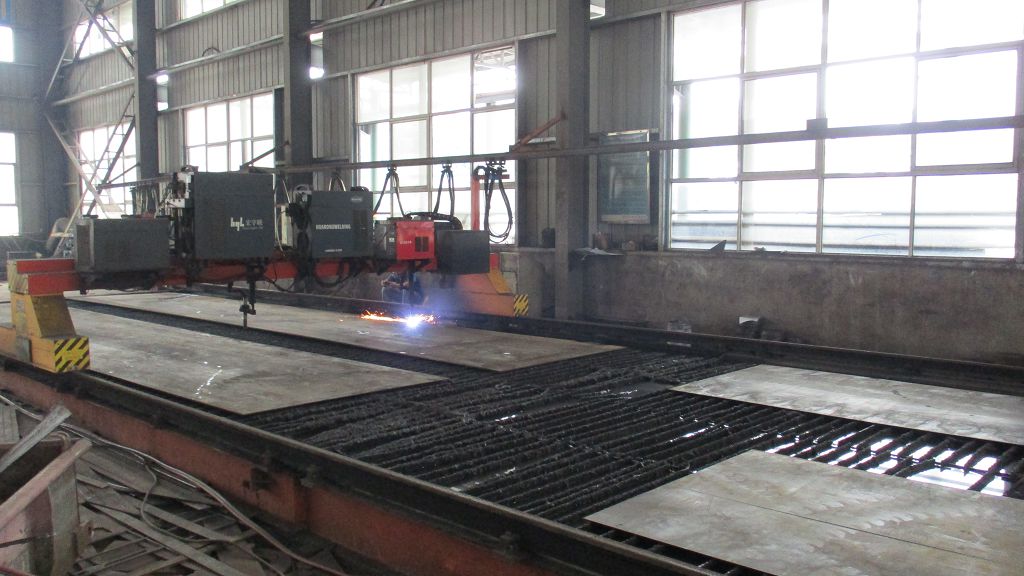
Industrial Integration & Factory Freight Preparation

Logistics starts at the fabrication floor. We bridge heavy industrial manufacturing, precise metal preparation, and global air freight forwarding for maximum supply chain safety.

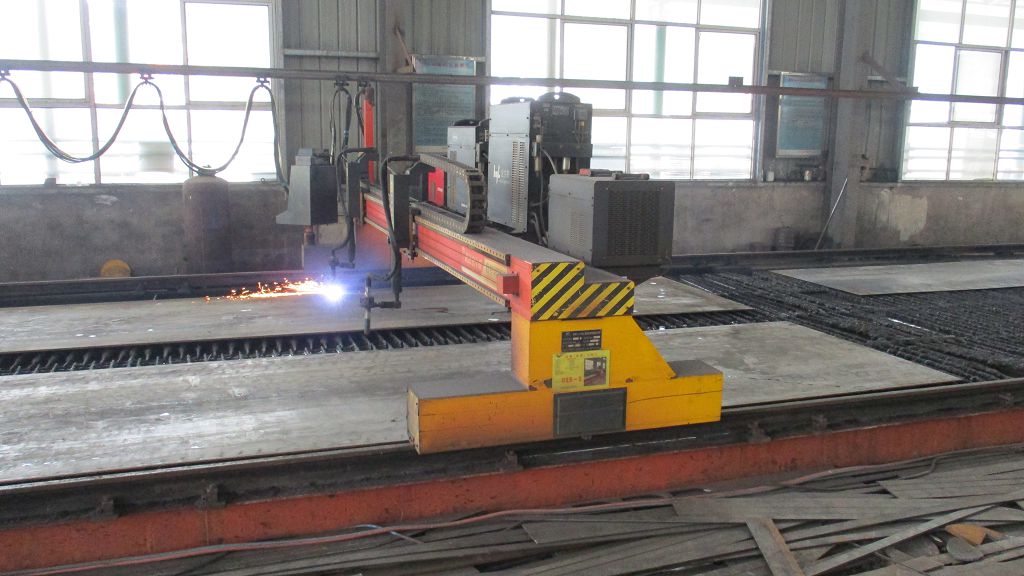
Laser Cutting
Laser Cutting
Shearing
Shearing
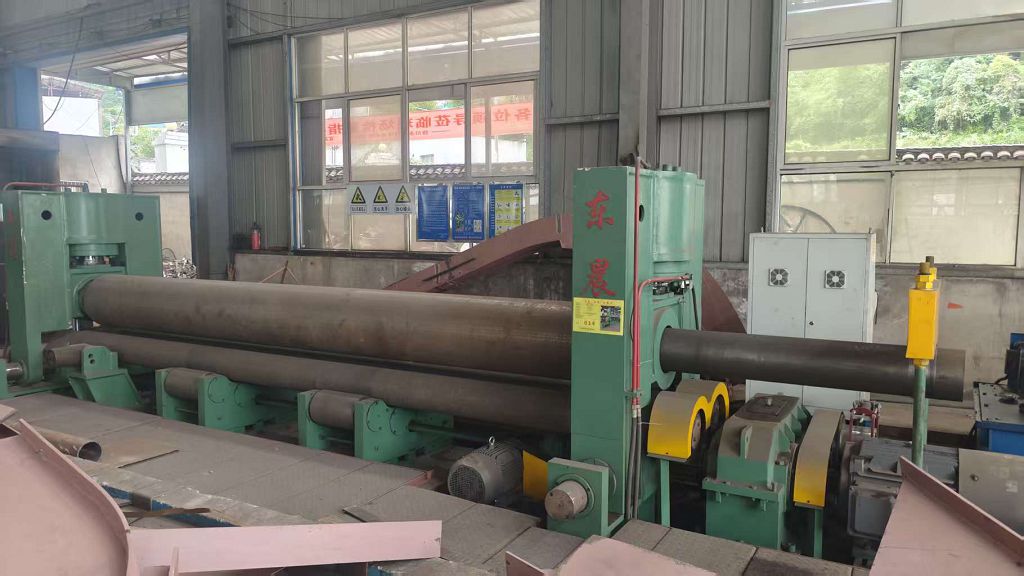
Rolling
Rolling
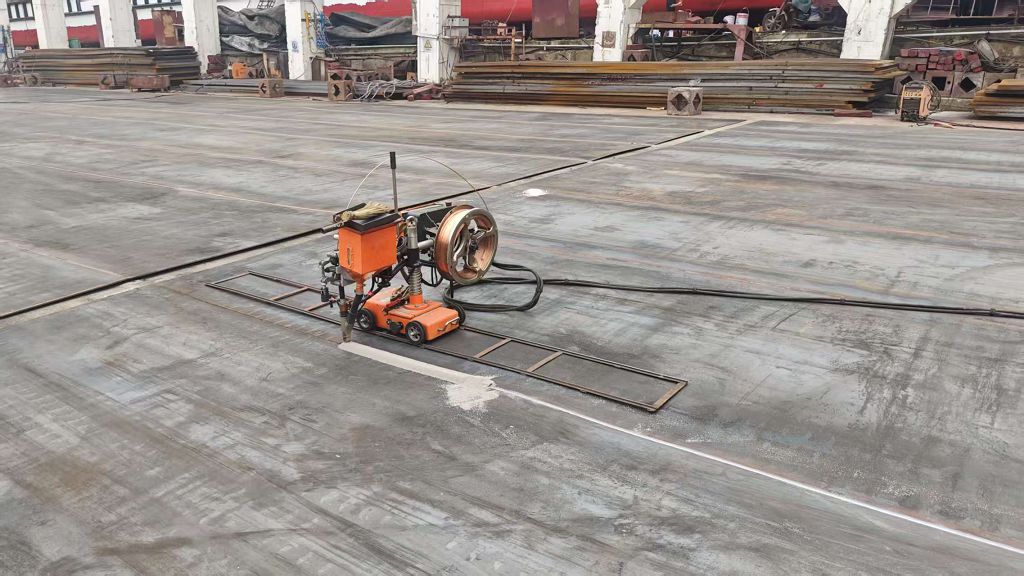
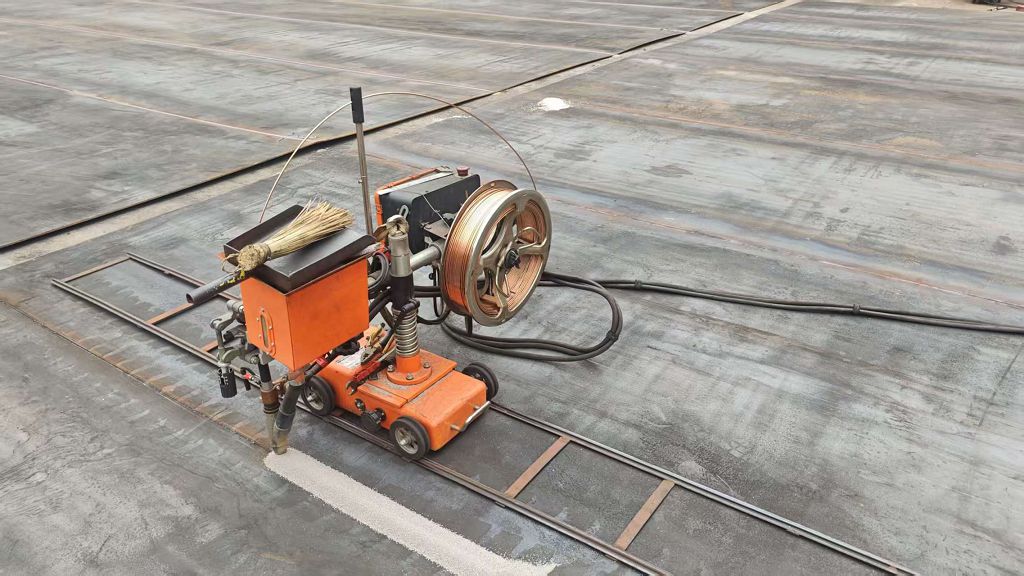
Automatic Welding
Automatic Welding
Painting
Painting
Assemblying
Assemblying
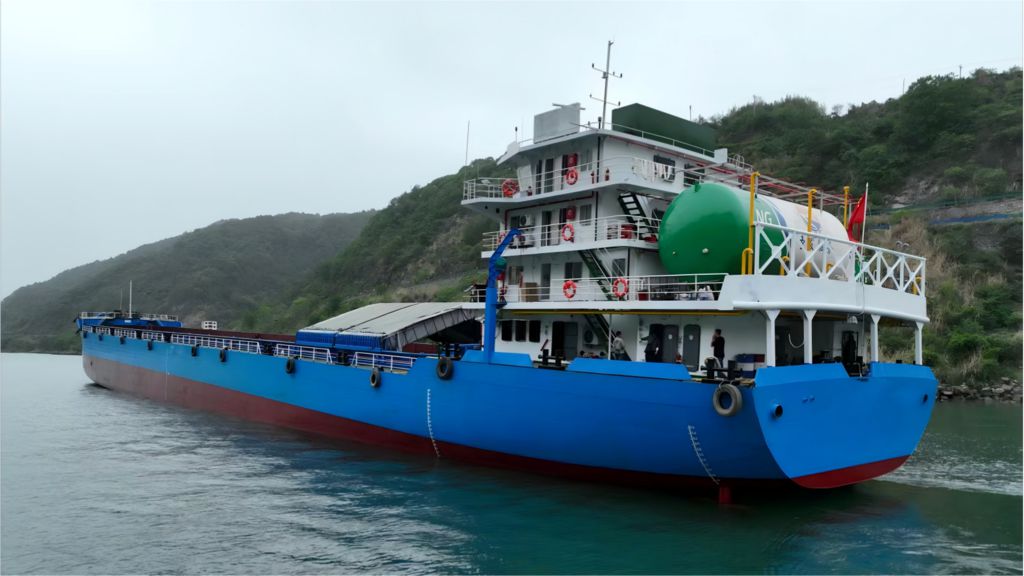
Finished Product
Finished Product
Laser Cutting Machine
Shearing Machine
Shearing Machine
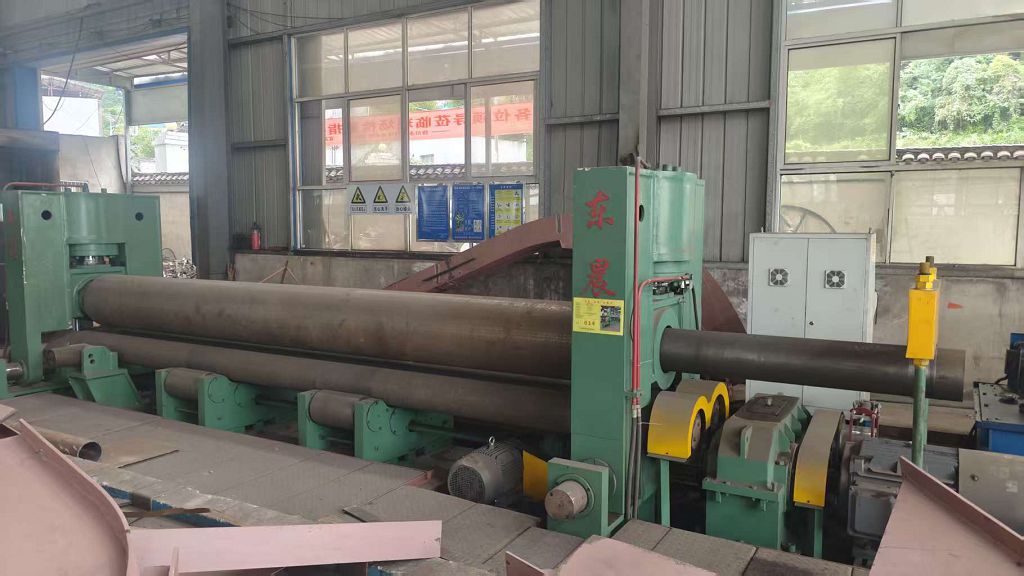
Rolling Machine
Rolling Machine
Automatic Welding Machine

3. Analyzing the Key Drivers of Wholesale Air Freight Rates

Understanding wholesale air freight pricing requires navigating multi-tiered structures determined by cargo volume, gross weight, volumetric ratios, airline alliances, and localized regional routing options. Unlike standard parcels, industrial cargo utilizes specialized calculations. The standard chargeable weight formula is derived from the **volumetric ratio (1:6000)**, or `(Length × Width × Height) / 6000` in centimeters per kilogram. For express services, the divisor shifts to `5000` (1:5000), significantly increasing the chargeable weight for low-density cargo.

Several variables influence these rates:

  • Fuel Surcharges (FSC): These adjust dynamically with international crude prices. They represent up to 35% of total transport costs during high-volatility periods.
  • Seasonal Fluctuations: The fourth quarter (Q4) represents the peak retail shipping season. Rates typically rise by 50% to 120% due to cross-border e-commerce demands.
  • Belly Capacity vs. Main Deck Freighters: Commercial passenger flights supply significant belly cargo capacity. Changes in global travel corridors impact air freight capacity and wholesale pricing.
  • Ground Handling and Terminal Infrastructure: High-volume airports such as Hong Kong (HKG), Shanghai Pudong (PVG), and Guangzhou Baiyun (CAN) offer efficient handling but can experience seasonal congestion. This redirects traffic to secondary hubs.

4. The Logistics Technological Roadmap

Automated processes and digital twins are shifting air cargo operations from manual brokerage toward predictive routing. This transition enables shippers to optimize transshipment routes and leverage multi-modal models (such as Sea-Air and Rail-Air options) before congestion occurs.

Phase 1: Dynamic Rate Aggregation
Real-Time API Integrations with Commercial Carriers

Direct system connections to leading commercial and freighter fleets allow logistics providers to access immediate spot-rate adjustments. This replaces manual quote negotiations and reduces booking times.

Phase 2: Predictive Routing and AI Logistics
Intelligent AI Consolidation Algorithms

Smart algorithms identify consolidation opportunities across different cargo types. For example, high-density metal assemblies can be paired with high-volume, low-density cargo. This optimizes chargeable weight ratios to lower the total shipping cost.

Phase 3: Digital Twin Smart Supply Chain
End-to-End Visual Verification

Full integration of IoT sensors provides real-time visibility for high-value components. Environmental conditions, vibrations, and precise location tracking are accessible via secure APIs.

5. Macro Industrial Logistics Solutions & Strategy

For large-scale international manufacturers, logistics planning must balance speed and cost. Relying on a single transport mode can introduce risk. Our logistics strategies combine sea and air networks to optimize transit times and budgets:

Delivered Duty Paid (DDP) vs. Delivery at Place (DAP)

Choosing appropriate Incoterms is essential for cross-border logistics. DDP routes place the responsibility for customs clearance, duties, and last-mile delivery on the logistics provider. This simplifies international purchasing for buyers. DAP, conversely, gives the importer control over the domestic customs process. This is often preferred by larger companies with established local customs brokers.

Multimodal Sea-Air and Air-Rail Combinations

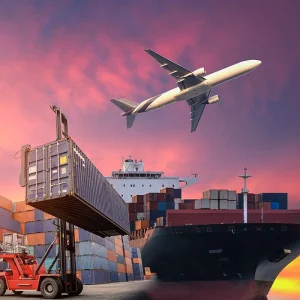
During periods of high air freight rates, multimodal transport can balance costs. For example, moving cargo by sea from mainland China to transit hubs like Singapore or Dubai, and then transferring to air cargo, can reduce ocean transit times by up to 50% compared to pure sea freight. This approach also reduces costs by up to 40% compared to pure air shipping.

Specialized Cargo & Dangerous Goods Handling

Industrial machinery components, oversized equipment, and lithium batteries require specialized handling. Our compliance protocols verify that lithium-battery configurations, dangerous goods documentation, and industrial wood packaging materials conform to IATA and local regulations. This helps prevent delays during export customs clearance.

FAQ Center

Frequently Asked Questions

Key industry insights, structural rate details, and operational guidance for air freight from China.

What is the difference between Chargeable Weight and Gross Weight in Air Freight? +
Air cargo carriers charge based on either the actual Gross Weight of the shipment or its Volumetric (Dimensional) Weight, whichever is greater. Volumetric weight is calculated using the formula: (Length x Width x Height in cm) / 6000. For express couriers, the divisor is typically 5000.
How does DDP (Delivered Duty Paid) shipping simplify international logistics? +
Under DDP terms, the seller manages the export customs clearance, international transport, import customs clearance, duties, taxes, and final delivery. This is a common choice for e-commerce sellers and manufacturers who prefer a single point of contact for shipping and import compliance.
Which Chinese airport hubs offer the best wholesale air cargo capacity? +
Mainland China's primary air cargo hubs are Hong Kong (HKG), Shanghai Pudong (PVG), Guangzhou Baiyun (CAN), and Shenzhen Bao'an (SZX). Hong Kong remains a major international gateway due to its freeport status and extensive routing networks.
Why do air freight rates change so frequently? +
Air freight rates are influenced by dynamic market forces: fuel surcharges, seasonal demand peaks, regional cargo imbalances, changes in commercial airline schedules, and geopolitical events. Using digital booking tools allows shippers to monitor rates and secure spot quotes when needed.
What steps are required to ship lithium batteries out of China? +
Lithium battery shipments must comply with IATA Dangerous Goods Regulations. Shippers must provide a UN38.3 test summary, MSDS documentation, and appropriate battery transport declarations. The cargo must also be packaged and labeled according to specific hazard class requirements.
How does freight consolidation lower shipping costs? +
Consolidation combines multiple smaller shipments (LCL or smaller air freight lots) into a single larger shipment. This allows shippers to access lower volume rates and reduces handling costs at both origin and destination terminals.
What is the standard transit time for express air freight from China to Europe? +
Standard express air service from hubs like Shanghai or Shenzhen to European destinations typically takes 3 to 6 days. Priority direct services can deliver within 2 to 4 days, while deferred or economy routing options may require 7 to 10 days.
How do customs brokers expedite clearances at destination airports? +
Customs brokers submit digital entry documentation to customs authorities before the cargo physically lands. This pre-clearance process minimizes terminal delays and helps ensure the shipment is released quickly upon arrival.
What is cargo insurance, and why is it recommended? +
Cargo insurance covers physical loss or damage to goods while in transit. Carrier liability is often limited by international treaties like the Warsaw or Montreal Conventions, making third-party cargo insurance an important tool for protecting high-value shipments.
How can I monitor the status of my cargo during transit? +
Most forwarders provide online tracking platforms where shippers can enter their Air Waybill (AWB) or container number to view status updates, milestone dates, and customs clearance events.