Explore our premium FCL, sea cargo, and air shipping structures engineered to work hand-in-hand with heavy-duty packing and crating standards.
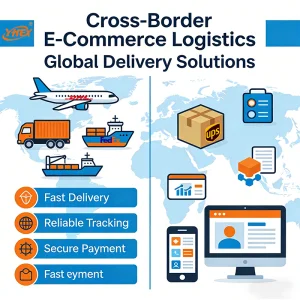
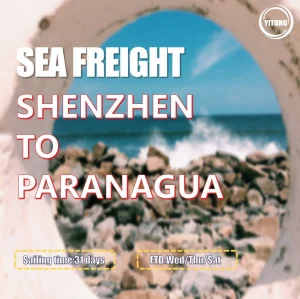
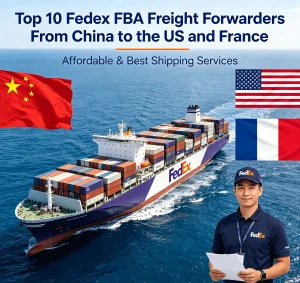
Global supply chains demand absolute precision, heavy structural integrity, and fail-safe protective packaging. In cross-border transport, the risk of cargo damage from mechanical shock, vibration, moisture ingress, and pressure shifts is high. This is where specialized China Packing and Crating Services play a vital role. By bridging heavy industrial manufacturing, precise engineering fabrication, and global intermodal logistics, top-tier Chinese manufacturers now supply customized crating solutions to protect high-value assets across global trade lanes.
Founded as a modern international logistics leader, Shenzhen Leoti Logistics Co., Ltd. has redefined the scope of traditional logistics services. The company specializes in import and export freight forwarding across all modes, including air freight, ocean shipping, international express delivery, rail transport, and road transportation. However, their primary operational advantage lies in their capability to deliver complete structural protection—ensuring that cargo is packed, reinforced, and crated using heavy industrial-grade machinery before it ever enters a shipping container.
Operating as a trusted booking agent for major global shipping lines and airlines, Leoti secures cargo space across key Chinese port cities such as Shenzhen, Guangzhou, Shanghai, Ningbo, Xiamen, Qingdao, Tianjin, Dalian, Beijing, and Lianyungang. Their industrial packaging division uses automated machinery to build custom crates, steel bases, and protective frames, providing a seamless link between heavy manufacturing and global logistics.
To produce heavy-duty industrial crates capable of carrying loads from 1 to over 100 tons, packing manufacturers rely on advanced machinery. Below is an overview of the manufacturing processes used to fabricate custom steel-framed and reinforced wooden crating systems:
Our heavy-duty crating frames, brackets, and structural bases are manufactured in-house using advanced fabrication equipment. This ensures precise dimensions and maximum payload capacity.
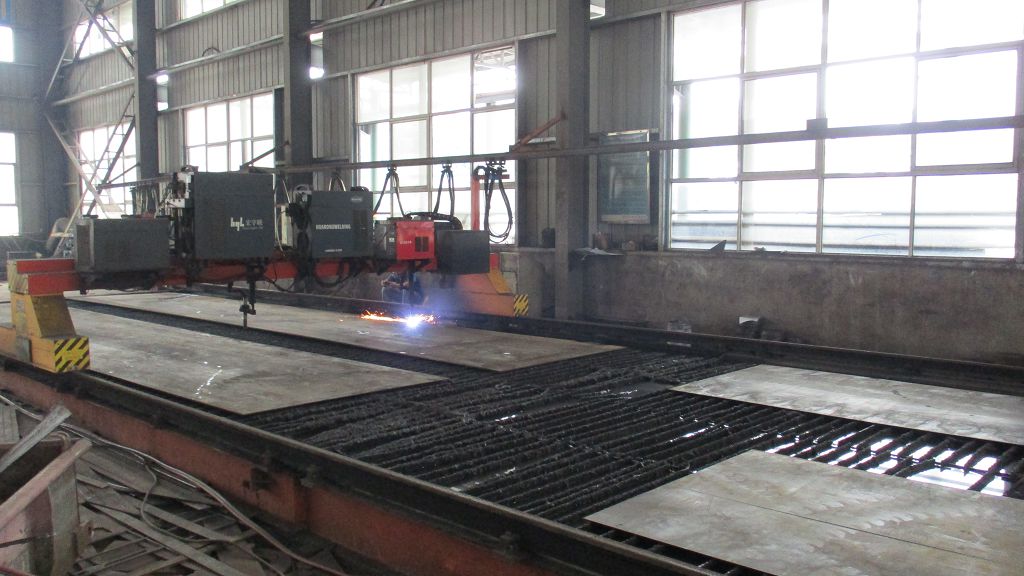
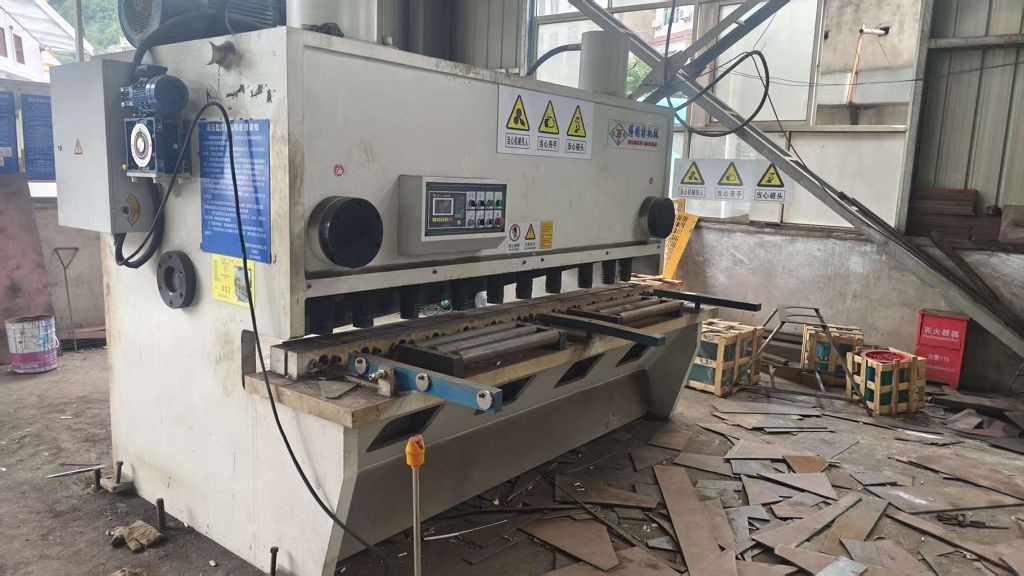
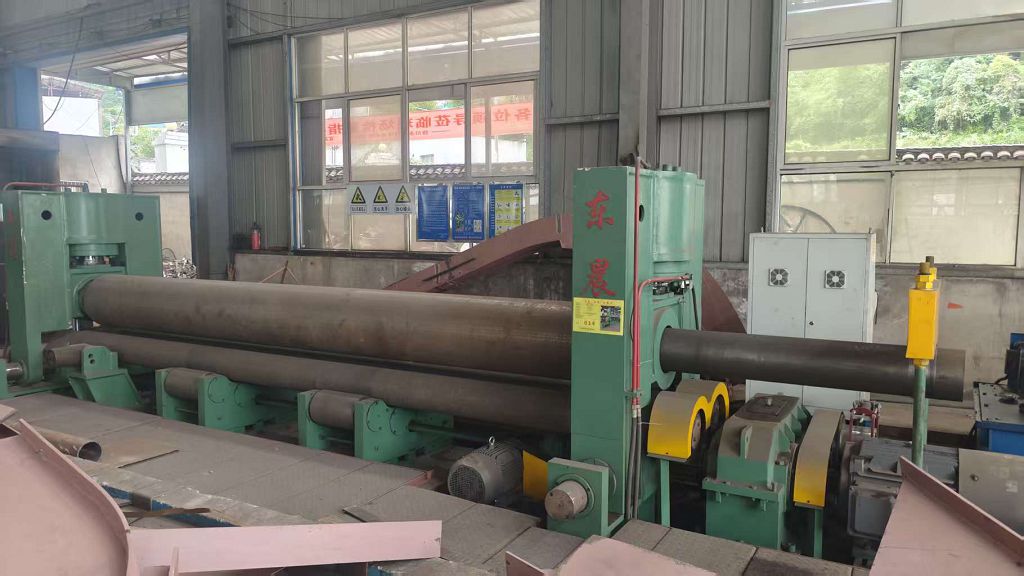
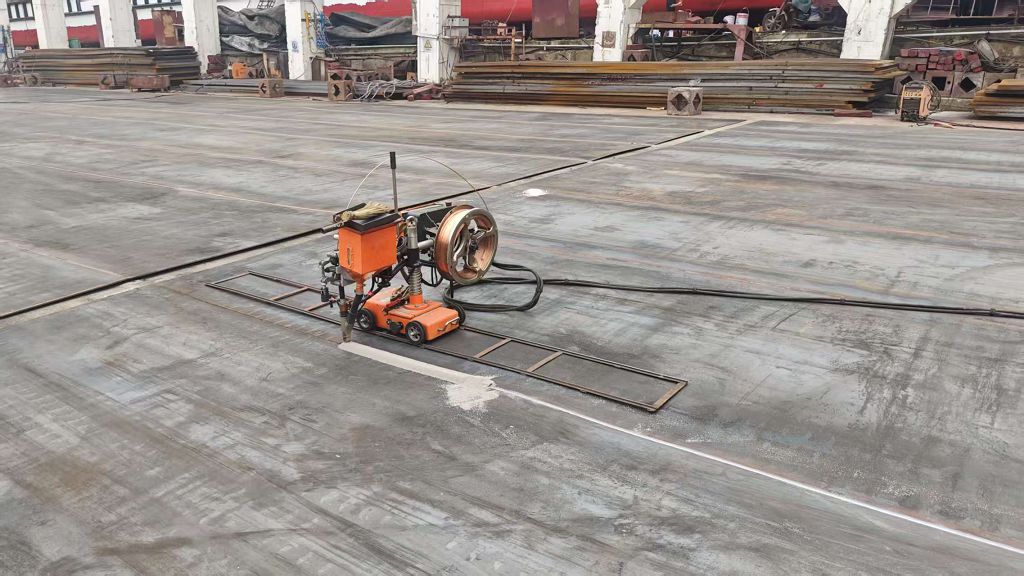
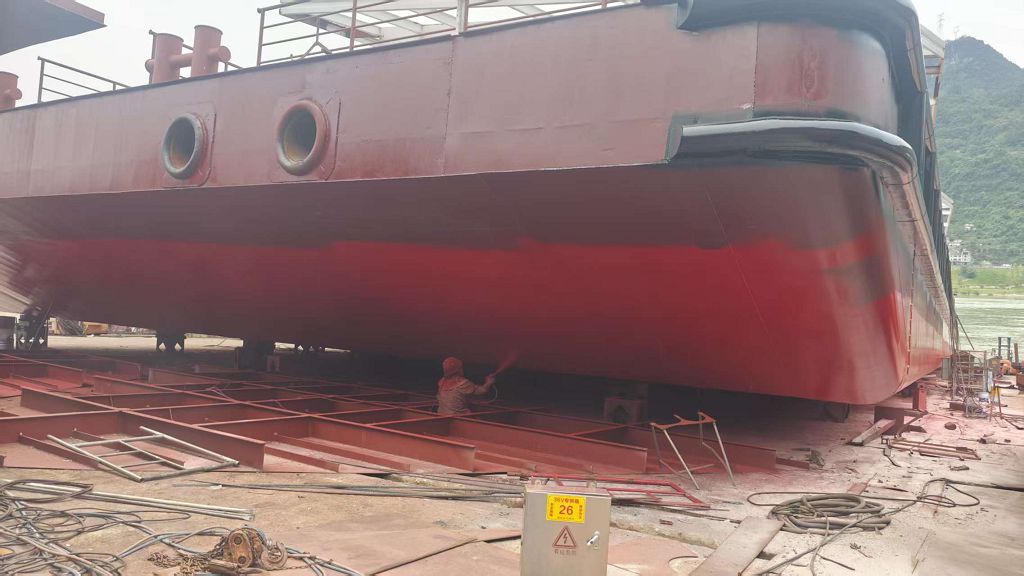
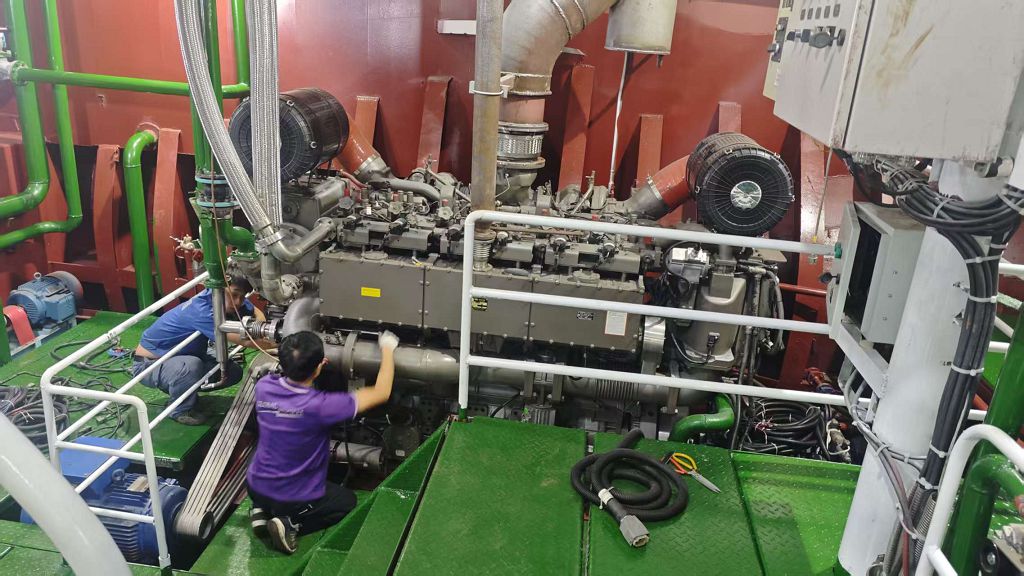
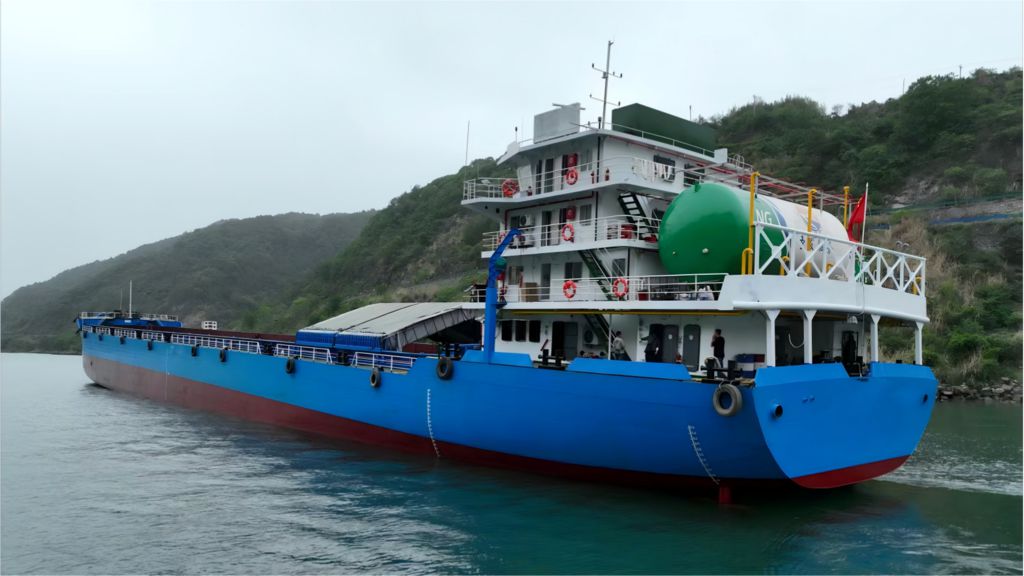
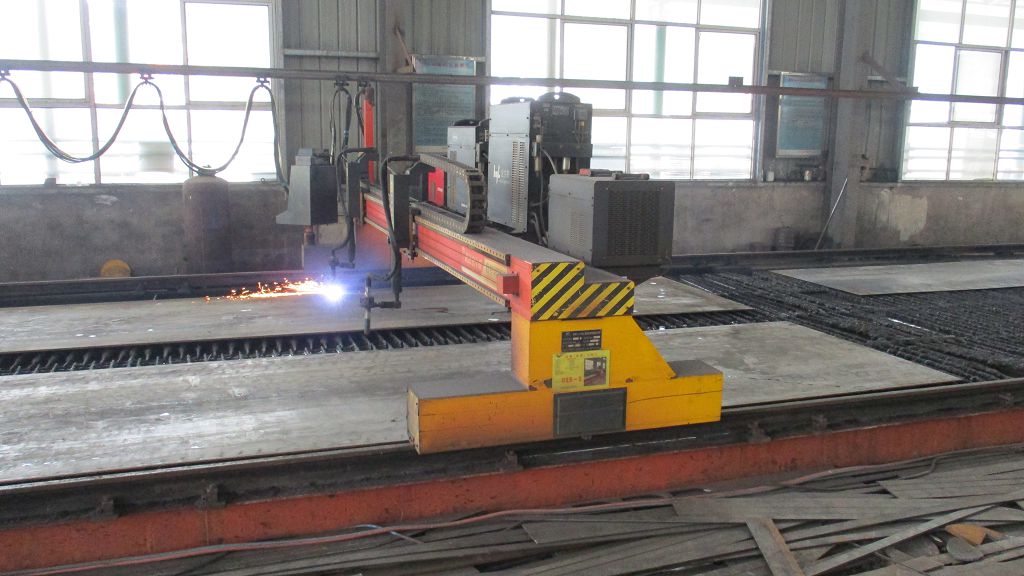
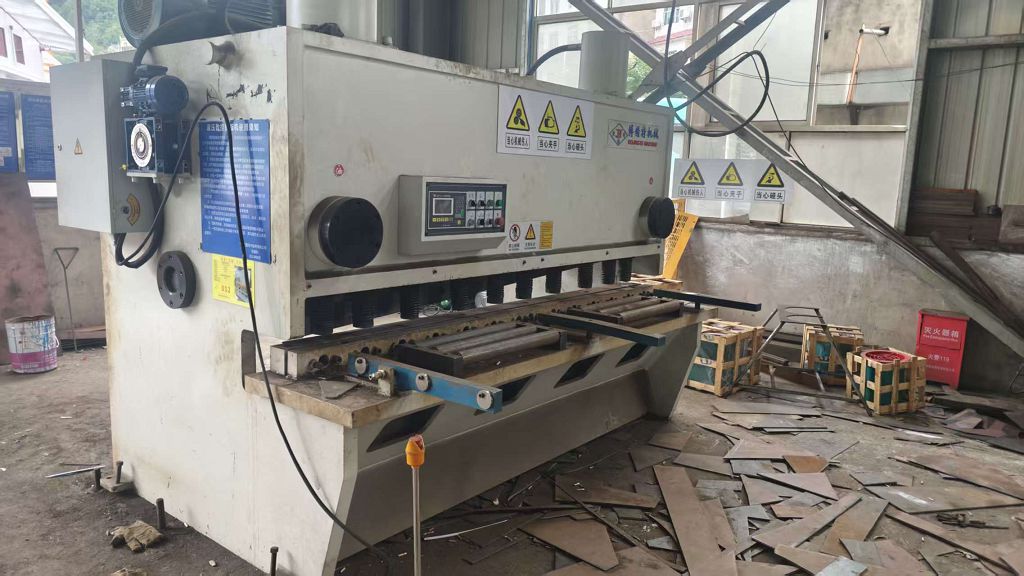
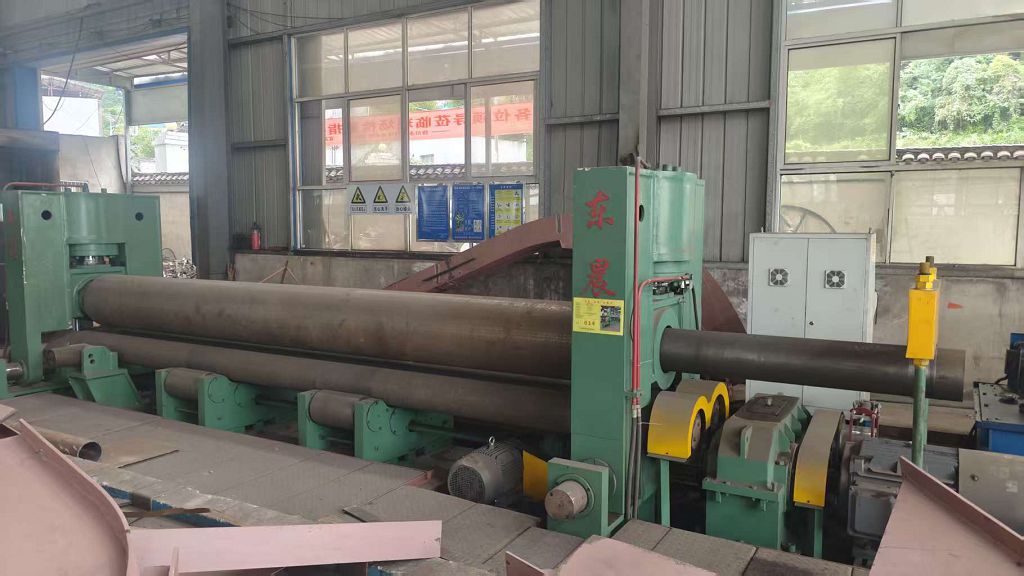
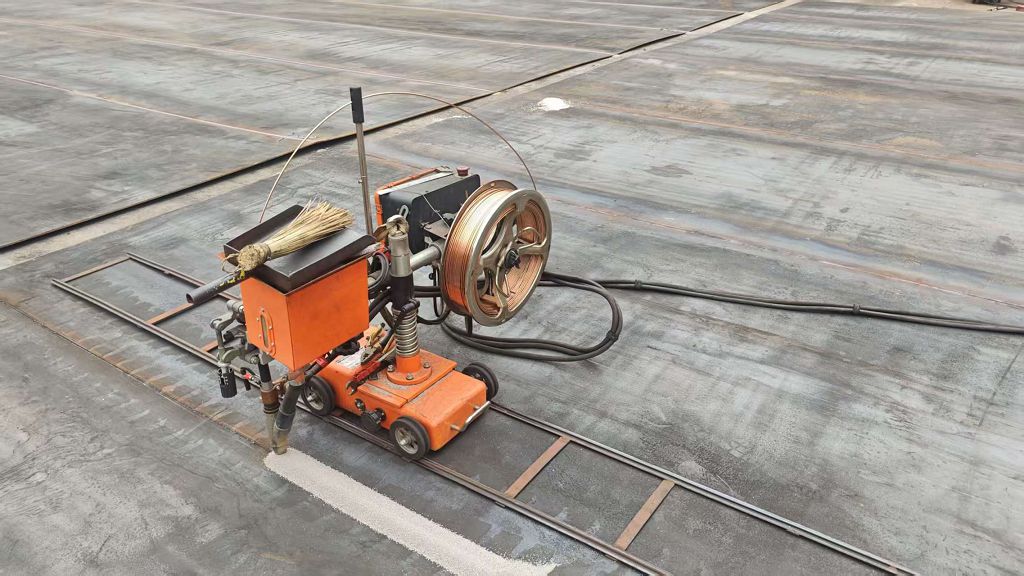
Why do global enterprises rely on Chinese industrial packaging specialists? It is the result of vertical supply chain integration, raw material availability, and advanced manufacturing capabilities.
Using in-house laser cutting, automatic welding, and rolling machines, Chinese suppliers design and fabricate hybrid wooden crates reinforced with carbon steel frames. This configuration accommodates heavy industrial payloads exceeding 100 metric tons.
All solid wood components undergo phytosanitary heat treatment (HT) and carry the required IPPC stamp. Crate designs are structurally simulated to comply with ASTM D6199 and ASTM D6251 guidelines for heavy-duty shipping containers.
Leoti Logistics links the manufacturing floor with port operations. Cargo is packed and crated at the factory or port-side warehouse and directly loaded into container chassis, reducing handling risks and minimizing transit delays.
Global Agency Partnerships
ISPM 15 Heat-Treatment Compliance
Maximum Custom Crating Payload Capacity
Real-Time Supply Chain Tracking
Ocean freight exposes cargo to saline-heavy air, extreme humidity changes, and temperature fluctuations (known as container rain). Sourcing partners now demand advanced protective packaging inside wooden crates, including Volatile Corrosion Inhibitor (VCI) films and barrier materials. Heavy industrial components, electronic control panels, and precision CNC parts are vacuum-sealed in aluminum foil bags containing heavy desiccant packets to prevent oxidization during 30 to 50-day ocean transits.
Heavy machinery and medical equipment can be damaged by low-frequency road vibrations and high-impact drop shocks during port handling. Chinese packing suppliers integrate shock-absorption systems directly into the bases of their wooden crates. This includes custom elastomeric dampeners, high-density polyethylene (HDPE) skid pads, and neoprene isolator mounts designed specifically for the weight distribution of the enclosed cargo.
Driven by global sustainability targets and carbon-neutral policies, the packaging industry is adopting eco-friendly materials. Engineered wood, such as Oriented Strand Board (OSB) and LVL (Laminated Veneer Lumber), is increasingly used to replace solid timber. These materials do not require ISPM 15 heat treatment, reducing the overall carbon footprint while providing excellent structural stability and high shear resistance.
To avoid transit damage, custom delays, and unexpected costs, global buyers should assess the technical and operational compliance of their packing and crating suppliers using this criteria:
Expert insights on regulatory compliance, custom packaging engineering, and global logistics optimization.
Explore our targeted shipping lanes, break-bulk options, and express delivery logistics configured to match heavy packing requirements.
 Leoti Logistics