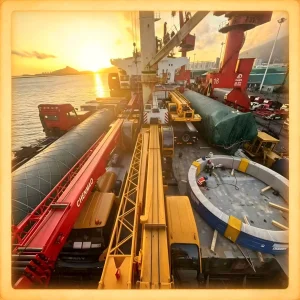
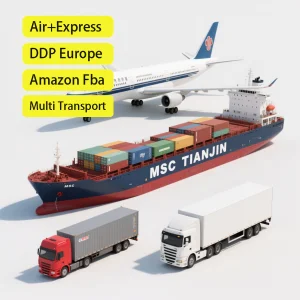
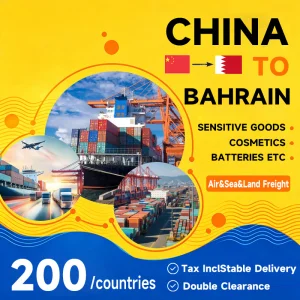
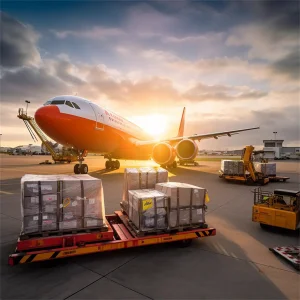
Explore our core shipping lines, heavy cargo DDP options, and specialized industrial containers optimized for strict logistics requirements.
Understanding GDP compliance, active packaging, and strict control measures in international biotech freight.
In the modern global healthcare ecosystem, the transportation of pharmaceutical products, active pharmaceutical ingredients (APIs), biological materials, and medical devices represents one of the most strictly regulated sectors in logistics. Unlike general dry cargo, pharmaceutical freight is susceptible to environmental variances. A deviation of just two degrees Celsius can compromise the efficacy of lifesaving therapies, ruin multimillion-dollar clinical trials, and result in catastrophic compliance failures under international standards such as WHO Annex 5 and EU GDP (Good Distribution Practice) guidelines.
Maintaining strict climate ranges, including Deep Frozen (< -20°C), Controlled Cold Chain (2°C to 8°C), and Controlled Room Temperature (15°C to 25°C).
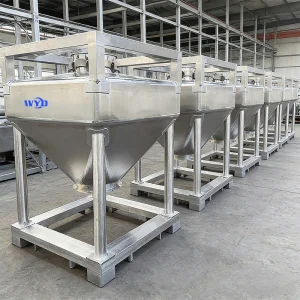
Utilizing high-grade stainless steel IBC conical tanks and vacuum-insulated liquid nitrogen vessels to guarantee zero-contamination transport.
Integration of real-time IoT data loggers tracking temperature, relative humidity, light exposure, shock levels, and geographical GPS routing.
The pharmaceutical sector demands dynamic risk mitigation strategies. This involves managing cross-border customs declarations, identifying proper Harmonized System (HS) codes for active chemical compounds, and sourcing robust steel containment units (such as certified conical hopper tanks). It also requires partnering with shipping lines that prioritize cool-chain prioritization over conventional general cargo. Inadequate logistics design causes freight degradation, forcing regulatory bodies like the FDA, EMA, or NMPA to reject shipments, resulting in massive supply chain deficits.
"Effective pharmaceutical freight operations are not merely defined by transit times; they are defined by cold chain integrity, documentation accuracy, validation protocols, and comprehensive risk mitigation strategies at every transshipment point."
Bridging global commerce with advanced infrastructure, specialized custom brokers, and a multi-modal transport network.
Shenzhen Leoti Logistics Co., Ltd. is a modern international logistics company dedicated to providing comprehensive and efficient global freight solutions. The company primarily specializes in import and export freight forwarding, including air freight, ocean shipping, international express delivery, rail transport, and road transportation services.
In addition to core transportation services, Leoti Logistics offers a full range of one-stop logistics solutions, such as customs clearance, warehousing, cargo consolidation, trailer transportation, and trade agency services. Our goal is to simplify global trade for our clients by providing seamless end-to-end logistics support.
As a trusted booking agent for multiple leading shipping lines and airlines, the company is able to secure competitive cargo space in major global port cities, including Shenzhen, Guangzhou, Shanghai, Ningbo, Xiamen, Qingdao, Tianjin, Dalian, Beijing, and Lianyungang. Through strong partnerships with local warehouses, trucking fleets, and customs brokers, Leoti ensures smooth and efficient operations at every major port.
Over the years, Shenzhen Leoti Logistics has actively expanded its overseas logistics network. Today, we cooperate with more than 200 global agents covering Europe, North America, South America, Africa, Oceania, Central Asia, and Southeast Asia. This extensive network allows us to provide reliable international air freight, sea freight, express delivery, customs clearance, and last-mile delivery services worldwide.
Our overseas operations team maintains 24/7 real-time communication with international partners, ensuring timely coordination and secure handling of all shipments. This continuous communication helps guarantee cargo safety, operational efficiency, and customer satisfaction.
Leoti Logistics is proud of its strong core advantages. Our experienced and highly professional logistics team is well-versed in international shipping procedures and has in-depth knowledge of customs regulations and trade policies across different countries. This expertise enables us to design precise logistics solutions, effectively reduce operational risks, and optimize costs for our clients.
Supported by an advanced logistics information system, we provide real-time tracking throughout the entire transportation process. Customers can monitor their shipments at any time with full transparency and confidence.
At Shenzhen Leoti Logistics, we always adhere to a customer-first service philosophy. From order placement to final delivery, we offer personalized, one-on-one service to ensure that every client’s needs are responded to quickly and handled professionally.
Looking ahead, Shenzhen Leoti Logistics Co., Ltd. will continue to expand its global presence, enhance service quality, and strengthen its integrated logistics capabilities. Our vision is to become a leading international logistics enterprise and contribute to the growth and efficiency of global trade.
Combining raw manufacturing capacity, rapid technological integration, and massive cost efficiency.
China is a primary global hub for Active Pharmaceutical Ingredients (APIs) and pharmaceutical manufacturing machinery. The country's logistics infrastructure has matured to support highly specialized industries. By locating manufacturing, custom engineering, and worldwide logistics coordination within close proximity, companies can reduce lead times and streamline supply chain transfers.
Key strategic advantages of China's pharmaceutical freight and hardware ecosystem include:
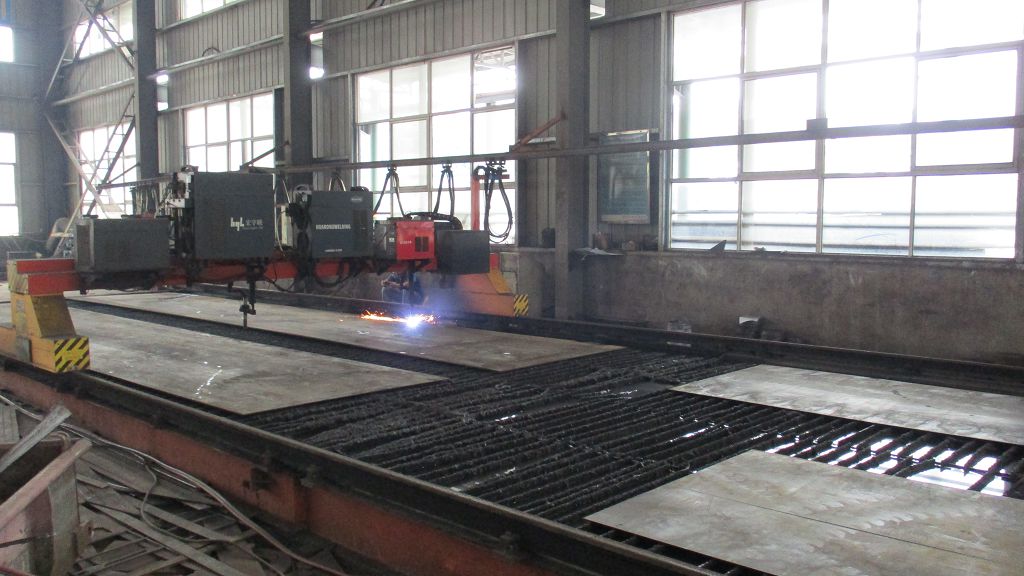
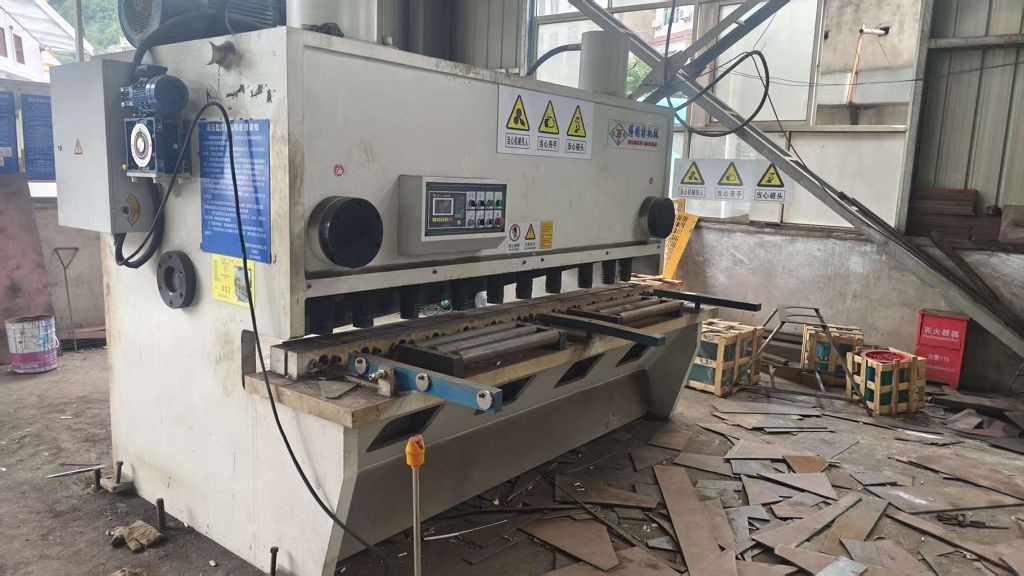
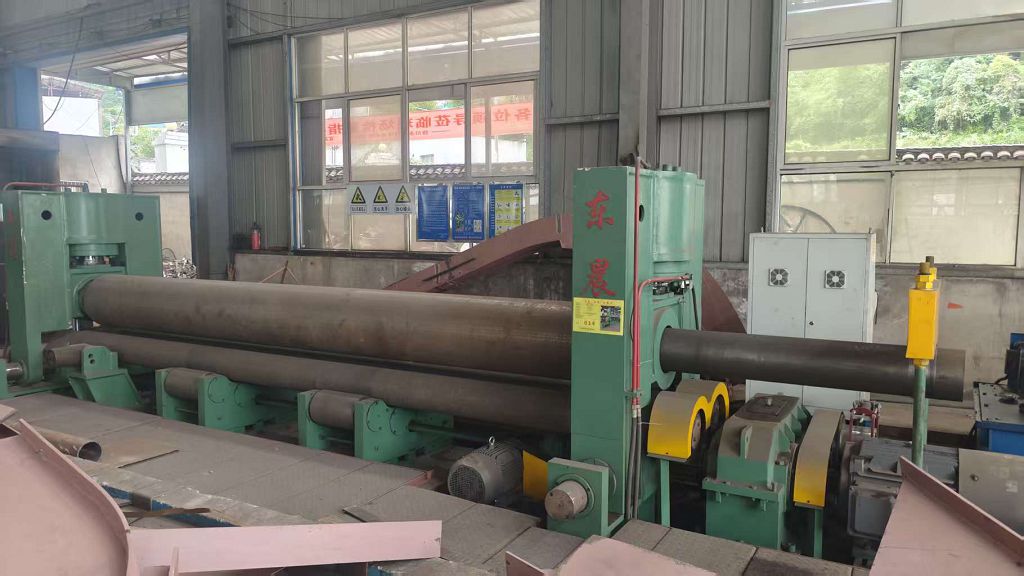
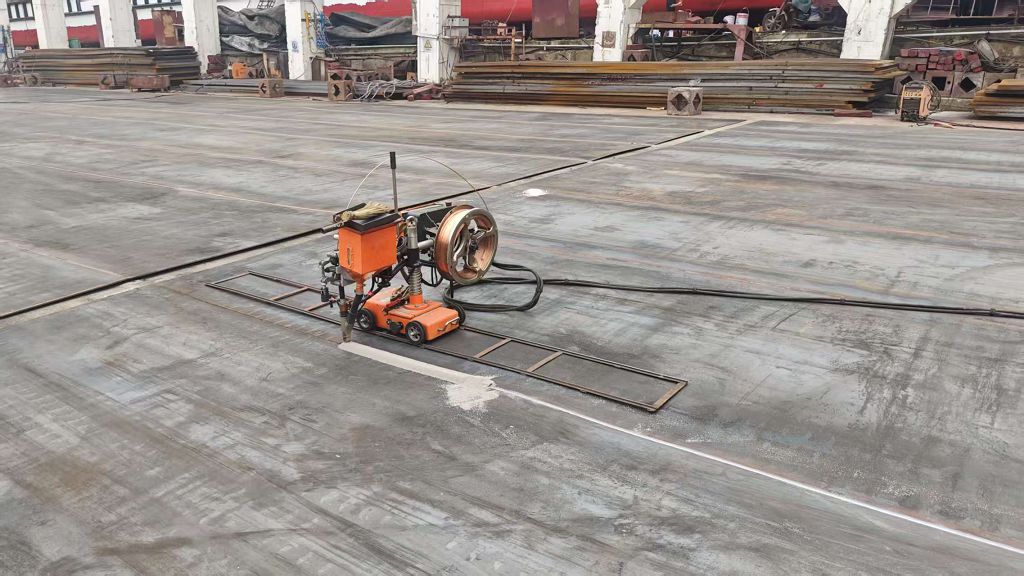
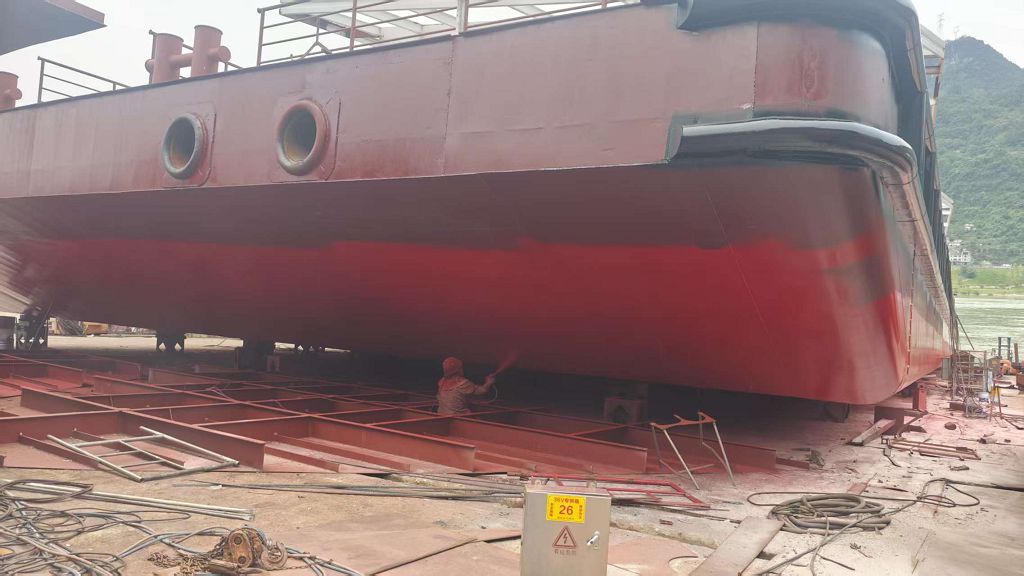
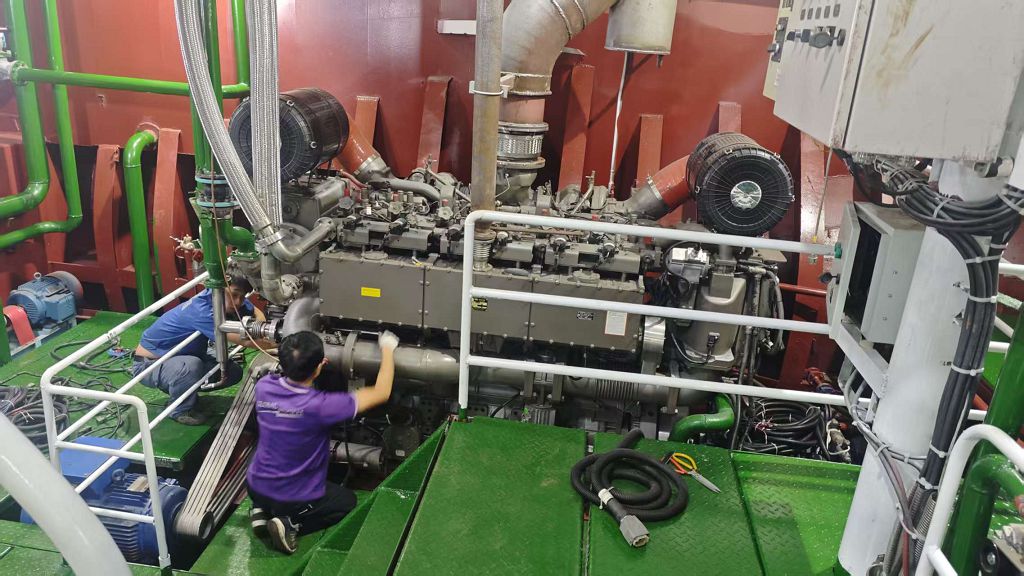
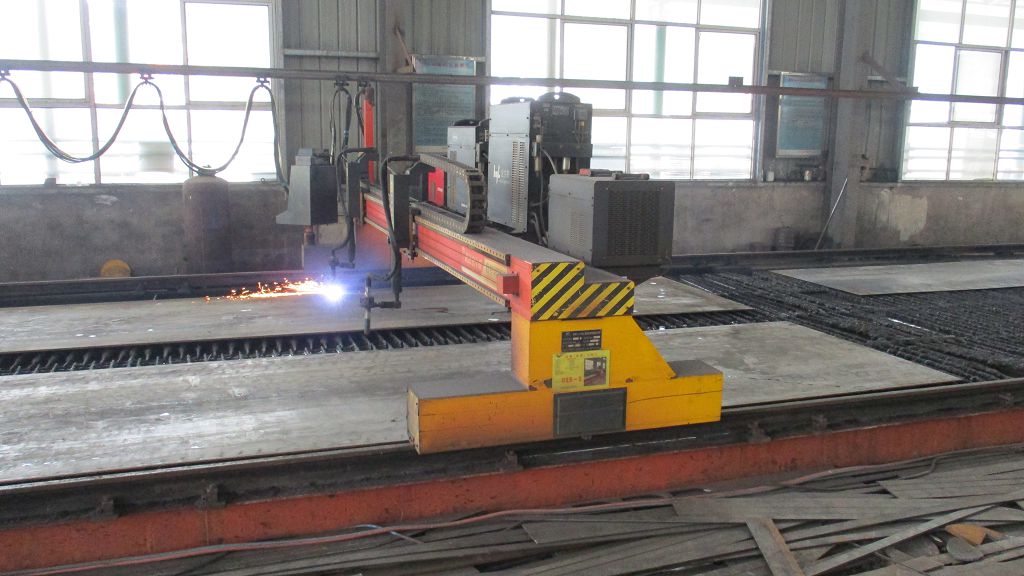
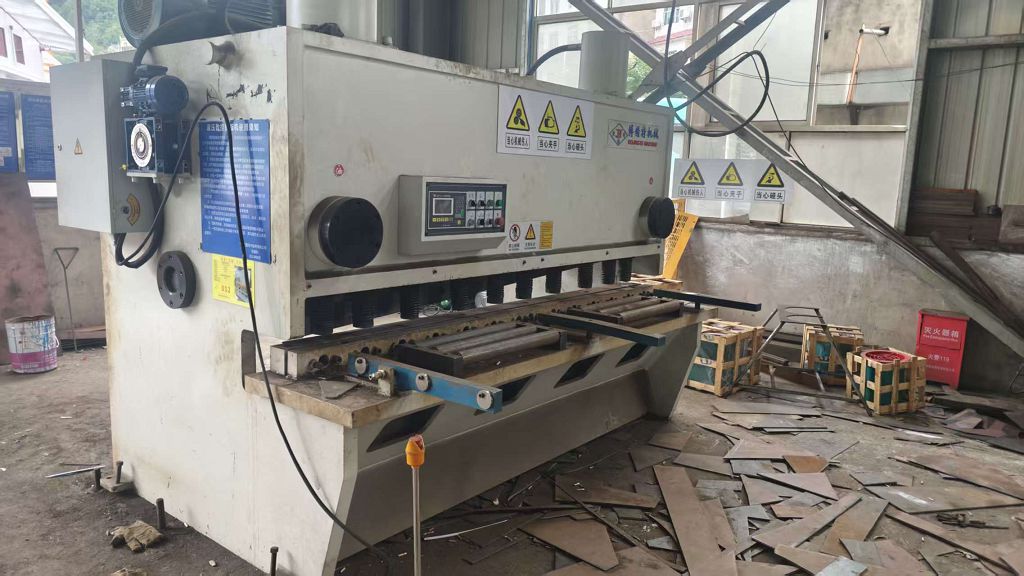
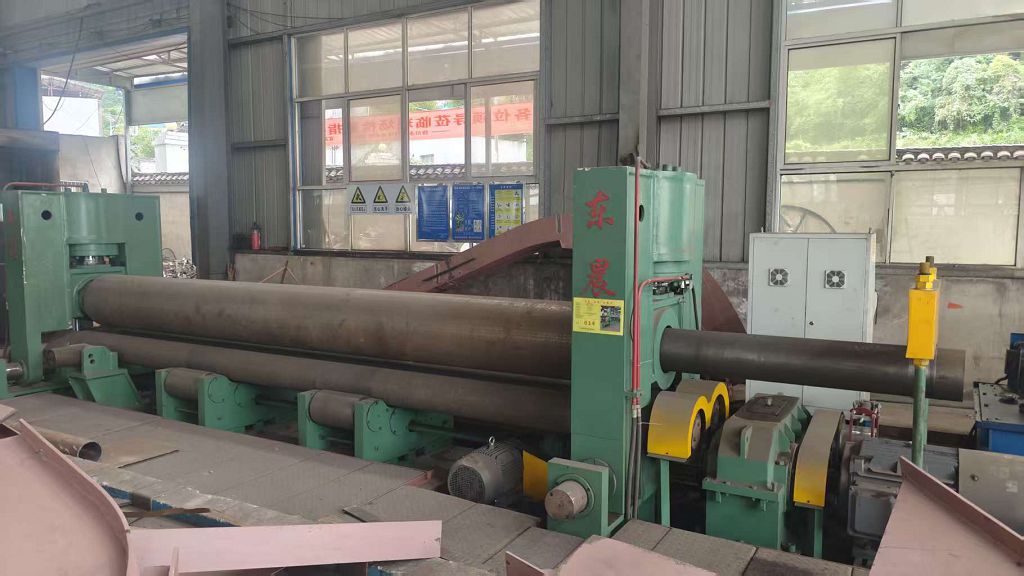
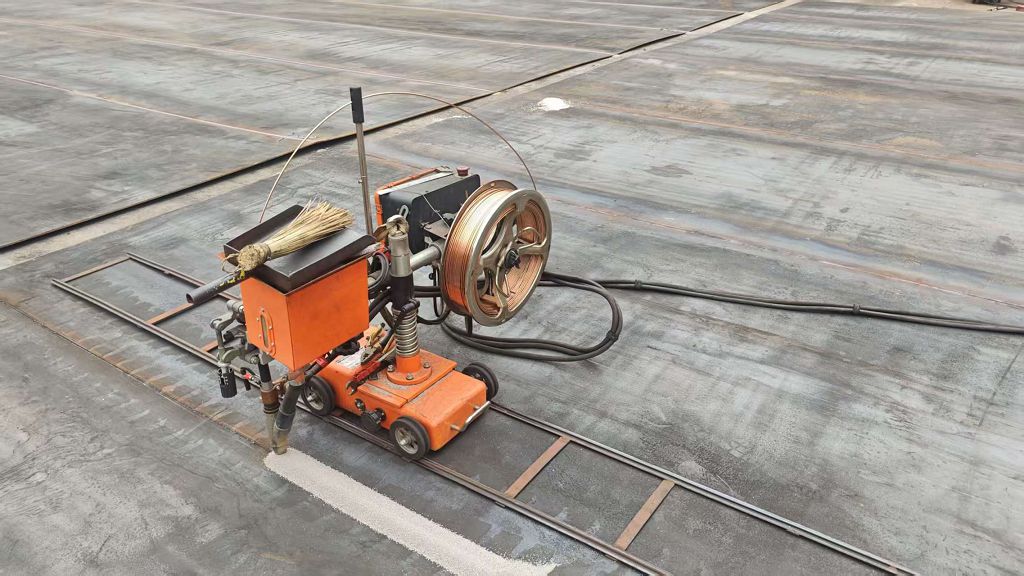
Exacting engineering standards applied to logistics containment systems, transport tanks, and precision freight machinery.
Ensuring cross-border shipments satisfy regional healthcare and logistics guidelines.
Sourcing pharmaceutical freight services from China requires alignment with local regulations in destination countries. When importing APIs, active formulations, or specialized storage tanks (such as 316L pharmaceutical-grade stainless steel IBCs) into regions like North America, Europe, or Asia-Pacific, cargo must comply with several key regulatory frameworks:
The Food and Drug Administration (FDA) enforces strict controls over imported medical substances. Supply chain structures must maintain records in compliance with FDA Title 21 CFR Part 11 and Part 211. Sourced containment vessels must be sanitary, corrosion-free, and meet USP Class VI standards for contact parts. DDP (Delivered Duty Paid) shipping routes must be configured to process complex import entries through CBP (Customs and Border Protection) without delaying time-sensitive active ingredients.
The EMA mandates compliance with EU Good Distribution Practice Guidelines (2013/C 343/01). Shipments must be accompanied by detailed documentation verify temperature control throughout the journey. Cold chain logistics solutions require validated passive shippers or active temperature-controlled containers (RKN/RAP units) that undergo regular validation cycles to maintain temperature integrity across all transit points.
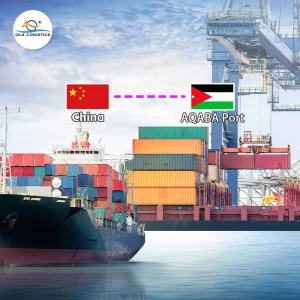
Customs systems in destinations like Nigeria, South Africa, Jordan, or Brazil can present clearance challenges. Utilizing consolidated sea freight or dedicated air charters requires experienced brokers who understand import permits, local health ministry clearances, and regional customs regulations to prevent delays at the border.
Sustainability, digitized tracking, and multi-modal transport optimization.
The pharmaceutical logistics sector is evolving rapidly, driven by technological innovation and sustainability initiatives. Key trends shaping the future of global healthcare supply chains include:
Traditional passive temperature indicators are being replaced by smart, connected sensors. These real-time IoT devices continuously monitor and transmit data on temperature, humidity, light exposure, and shocks. This visibility enables logistics operators to address route issues or temperature excursions before they affect cargo quality.
Environmental standards are driving adoption of reusable thermal shippers and eco-friendly stainless steel containment tanks. High-grade 300L to 2000L IBC hopper tanks offer a durable, zero-waste alternative to single-use plastic drums, reducing carbon footprints while maintaining strict purity standards.
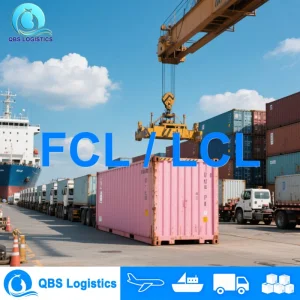
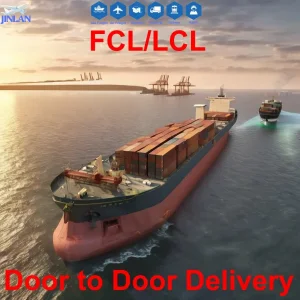
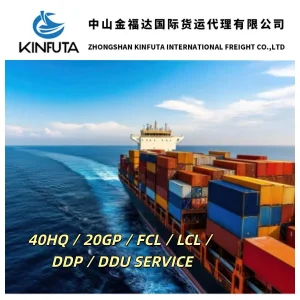
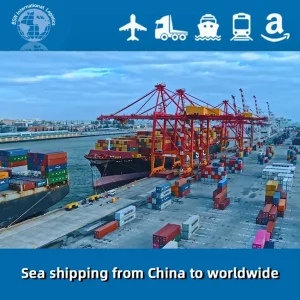
Rising air freight costs and capacity challenges are encouraging a shift toward ocean and rail consolidation. Properly managed FCL/LCL reefers combined with automated customs processing allow companies to transport bulk pharmaceutical materials and diagnostic components securely at a lower cost.
How specialized logistics networks support regional pharmaceutical and chemical industries.
Chemical producers in China rely on stainless steel conical hopper tanks and liquid nitrogen containers to transport liquid APIs to pharmaceutical manufacturing hubs in Mumbai (Mundra/Kandla ports) and Frankfurt. Using durable, certified pressure vessels protects high-value biological reagents from light, air, and external contamination during ocean and intermodal transit.
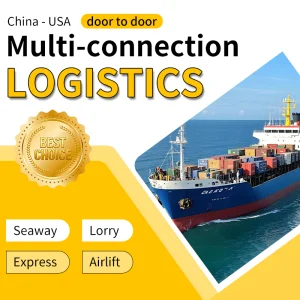
A medical device manufacturer requiring delivery of sensitive hospital hardware to various US warehouses utilizes FCL China-US heavy cargo DDP sea lines. This service manages import clearances, tax filings, and final delivery, minimizing transit times and administrative tasks for the buyer.
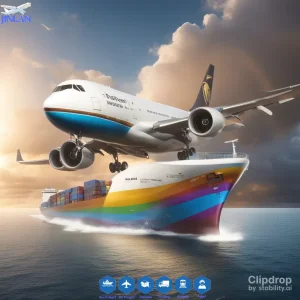
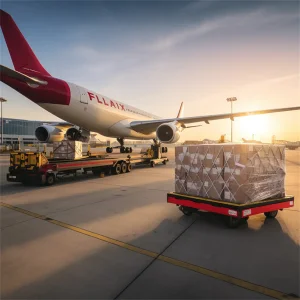
For temperature-sensitive biological samples and active ingredients, air freight consolidation through hubs like Reykjavik or Zurich provides a reliable option. Using consolidated express air services with active cooling packaging helps maintain product stability during long-distance transport.
Answers to common questions regarding regulatory compliance, container specifications, and logistics procedures.
Select from our air freight, ocean consolidation, and customs cleared routing services to complete your global supply chain setup.
 Leoti Logistics