Why Are Port Congestion Surcharges Added to Ocean Freight?

Time:2026-09-16 Author:Ethan
0%

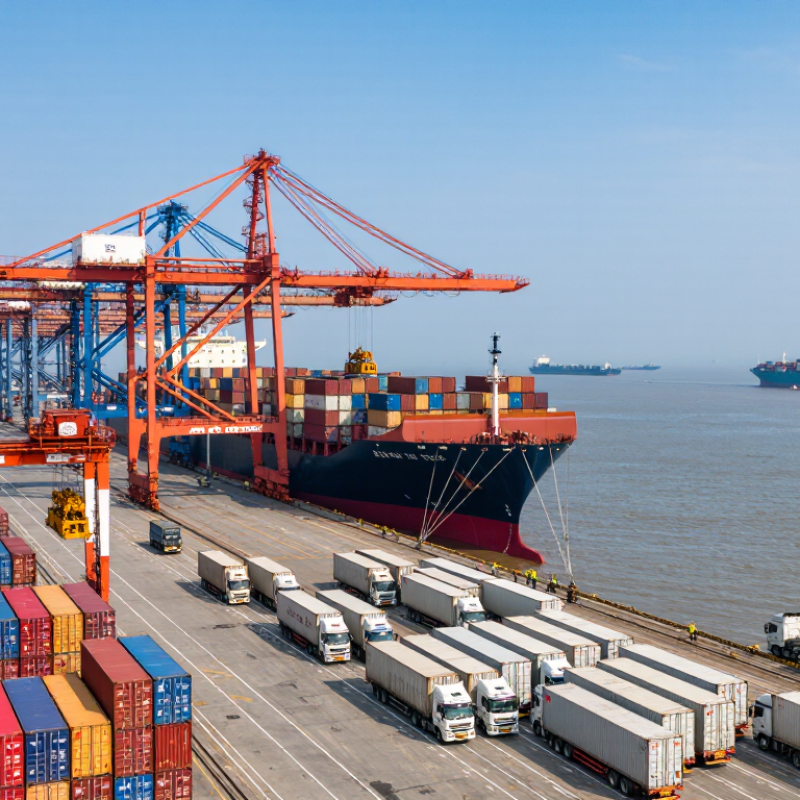
Why are port congestion surcharges added to ocean freight? The answer begins at the terminal gate. When too many containers arrive, trucks wait longer, vessels miss berthing windows, and cranes operate under pressure. These delays create measurable costs for carriers, terminals, and cargo owners.

A port congestion surcharge helps recover expenses caused by abnormal delays. It may cover extra vessel waiting time, repositioning equipment, storage coordination, or extended inland transport planning. Carriers usually introduce this charge when congestion disrupts normal operating conditions. However, the amount and timing can differ by port, route, carrier, container type, and service contract. The explanation is not always tidy.

A practical review should examine the surcharge notice, effective date, affected locations, and billing unit. A freight manager might compare the carrier’s announcement with terminal conditions and recent transit records. For example, a container scheduled for three terminal days may remain at the port for eight. That difference can affect equipment availability and delivery appointments.

Reliable decisions require documented evidence, not assumptions. Port authority updates, carrier advisories, terminal notices, and the original quotation can clarify the charge. Communication also matters. Ask whether the fee applies to all shipments or only cargo moving through specific terminals. Confirm whether it is temporary, recurring, or subject to review.

Congestion is rarely caused by one factor. Weather, labor shortages, vessel bunching, equipment imbalances, and inland bottlenecks can overlap. Even experienced shippers may misjudge the impact. This article explains the commercial logic behind these surcharges and shows how to evaluate them carefully, transparently, and realistically.
Why Are Port Congestion Surcharges Added to Ocean Freight?

What Port Congestion Surcharges Mean in Ocean Freight

Why Are Port Congestion Surcharges Added to Ocean Freight?

What Port Congestion Surcharges Mean in Ocean Freight

A port congestion surcharge is an extra ocean freight fee linked to severe delays at a port. It may appear when vessels wait offshore, terminals have limited yard space, or containers move slowly through gates. The charge helps cover added operating costs, including waiting time, equipment use, schedule changes, and extra handling. It is not usually a customs duty or a penalty for the cargo itself.

The fee may apply per container, shipment, or transport route. Its amount and duration can change quickly. A carrier or freight forwarder should explain the effective date, covered ports, calculation method, and cancellation conditions. Shippers should check the quotation carefully. A low base rate can become expensive when several temporary charges are added.

Consider a container arriving during a crowded harvest season. Trucks queue outside the terminal, cranes work around vessel delays, and the container may miss its planned connection. That disruption can create costs beyond the original ocean booking. Still, the surcharge does not always reflect every cost clearly. In practice, invoices sometimes use broad descriptions, making verification difficult. Requesting a written breakdown, checking the port situation, and comparing the charge with the original quotation can prevent misunderstandings. Keep records. Recheck the dates.

Why Port Congestion Occurs and How It Disrupts Shipping

Why Are Port Congestion Surcharges Added to Ocean Freight?

Port congestion occurs when arriving ships exceed terminal capacity. Berths fill, cranes queue, and containers wait in dense stacks. Small delays multiply. A late vessel may meet another vessel’s arrival window. This creates vessel bunching and longer anchorage times. Causes include labor shortages, storms, equipment failures, channel restrictions, and weak inland transport. The United Nations Conference on Trade and Development reported that over 80% of global merchandise trade moves by sea. Its Review of Maritime Transport 2024 also recorded 2.4% growth in seaborne trade during 2023. That scale makes local disruption global quickly.

When terminals cannot release containers normally, carriers may add port congestion surcharges. These charges can help cover extra port calls, vessel waiting time, cargo handling, storage, and equipment repositioning. The World Bank’s Container Port Performance Index 2023 assessed 405 container ports and showed major differences in operational efficiency. However, a surcharge does not always mean the terminal is failing. It may reflect network-wide disruption, including diverted vessels and missed schedules. The fee can feel unfair to shippers. Yet the underlying cost is real. Forecasts still miss sudden weather or labor events.

Tips: Request current congestion updates before booking. Add buffer time for customs, trucking, and warehouse receiving. Confirm whether quoted freight includes congestion-related surcharges. Track free-time limits closely. A few idle days can create unexpected storage costs.

How Carriers Calculate Port Congestion Surcharges

Why Are Port Congestion Surcharges Added to Ocean Freight?

Carriers calculate port congestion surcharges from measurable disruptions, not simply from a busy terminal. They track vessel waiting hours, berth delays, labor costs, extra fuel, and container repositioning. These costs are grouped across a service loop and divided by the expected container volume.

For example, if disruption costs reach $600,000 and 2,000 containers move through the affected loop, the base allocation equals $300 per container. The final charge may vary by container type, trade lane, and sailing schedule.

The calculation also includes a trigger period. A carrier may activate the surcharge when average waiting exceeds a defined number of hours or days. UNCTAD’s Review of Maritime Transport 2024 reported that rerouting around Africa increased global vessel demand by about 3%, while container ship demand rose by roughly 12%.

Longer voyages reduce available capacity and can intensify terminal queues. Carriers may then add costs for extra fuel, canal changes, and delayed equipment circulation.

The weak point is transparency.

A surcharge often uses forecasted costs, not only invoices already paid. That makes the figure practical, but imperfect. A port may recover quickly while the surcharge remains active for several sailings.

Data from the Journal of Commerce and port performance tracking also show that waiting times can differ sharply between terminals during the same week. Shippers should therefore request the trigger, calculation period, covered services, and review date. Without those details, a reasonable charge can still look arbitrary.

When Port Congestion Surcharges Are Applied to Shipments

Why Are Port Congestion Surcharges Added to Ocean Freight?

When Port Congestion Surcharges Are Applied to Shipments

Port congestion surcharges are applied when crowded terminals create extra handling, waiting, or equipment costs. The charge usually appears during severe vessel queues, slow cargo inspections, labor shortages, or blocked terminal gates. It may affect shipments at the origin, destination, or both locations. Timing matters.

A carrier normally announces the surcharge before applying it. The notice should identify the affected port, cargo type, effective date, and charge period. For example, a container arriving during the stated window may receive the fee, even if the booking was made earlier. Some charges depend on the vessel’s arrival date. Others depend on cargo discharge or pickup.

Check the quotation carefully. Ask whether the surcharge is included, conditional, or subject to change. Request the latest written notice and compare it with the bill of lading and commercial invoice. In practice, disputes often come from unclear effective dates. The timing is not always neat. A shipment can leave before congestion begins but arrive after the surcharge starts. That situation feels unfair, yet the published terms may still permit the charge. Experienced freight teams also review terminal updates, free-time rules, and delivery appointments before confirming the final landed cost. Mistakes happen when everyone assumes the port will recover quickly. It may not.

How Shippers Can Reduce the Impact of These Surcharges

Why Are Port Congestion Surcharges Added to Ocean Freight?

How Shippers Can Reduce the Impact of These Surcharges

Port congestion surcharges cover extra costs when vessels wait, terminals stack containers, and equipment cycles slow. They are not purely penalties. UNCTAD’s Review of Maritime Transport 2024 states that over 80% of global trade by volume moves by sea. When traffic rises suddenly, carriers may face berth delays, storage charges, repositioning costs, and missed connections. Those costs can reach shippers through temporary surcharges.

Reducing the impact starts before cargo reaches the terminal. Use rolling forecasts, not one fixed monthly estimate. Share booking changes early, especially around holidays, severe weather, or canal disruptions. Ask logistics providers for surcharge triggers, validity dates, and invoice evidence. UNCTAD recorded 2.4% growth in seaborne trade during 2023, increasing pressure on busy port systems. Still, data does not predict every queue. A two-day delay can defeat a perfect-looking budget. The calculation is rarely perfect.

Tips: Build a 10–15% contingency for lanes with repeated congestion. Book earlier, split urgent cargo across sailing dates, and prioritize flexible delivery windows. Compare total landed cost, not only the lowest ocean rate. Request weekly port advisories and track dwell time, rollovers, truck appointment delays, and container availability. Keep records. Those details support credible surcharge disputes, although recovery is never guaranteed.

FAQS

What is a port congestion surcharge?

It is an extra ocean freight fee caused by severe delays at a port. Vessels may wait offshore. Terminals may lack yard space. It usually covers waiting, equipment use, schedule changes, and extra handling.

Is a port congestion surcharge a customs duty?

Usually, no. It is a transport-related charge, not a customs duty or cargo penalty. The exact treatment depends on the quotation and shipping terms.

When can this surcharge apply?

It may apply during vessel queues, slow inspections, labor shortages, or blocked terminal gates. Congestion can occur at the origin, destination, or both. Even temporary delays can trigger the fee.

How is the surcharge calculated?

It may be charged per container, shipment, or transport route. The amount and duration can change quickly. Ask for the calculation method in writing.

Which date determines whether the fee applies?

The effective date may depend on vessel arrival, cargo discharge, or container pickup. A booking made earlier may still receive the charge. The timing can feel unfair.

How can shippers verify an unexpected surcharge?

Request a written breakdown and the latest surcharge notice. Check the affected port, cargo type, effective date, and charge period. Compare the invoice with the quotation and shipping documents. Keep records.

How can shippers reduce the surcharge’s financial impact?

Book earlier and share forecast changes promptly. Split urgent cargo across different sailing dates when practical. Use flexible delivery windows. For repeatedly congested routes, consider a 10–15% contingency.

What should shippers monitor before confirming final costs?

Review port advisories, container dwell time, rollovers, truck appointment delays, and equipment availability. Compare total landed cost, not just the lowest ocean rate. A two-day delay can break a careful budget. Forecasts still fail.

Conclusion

Port congestion surcharges are additional fees added to ocean freight when vessels, terminals, or inland transport networks face serious delays. The key question, why are port congestion surcharges added to ocean freight, can be answered by the extra time, labor, fuel, equipment, and operational coordination required to manage crowded ports and disrupted schedules. Congestion may result from sudden increases in cargo volume, limited terminal capacity, labor shortages, bad weather, equipment imbalances, or inland transportation delays.

Carriers typically calculate these surcharges according to factors such as container type, shipment route, port conditions, and the expected duration of disruption. They may apply the fees when a specific port or region reaches a defined congestion level, usually with advance notice and a stated validity period. Shippers can reduce the impact by planning shipments earlier, choosing less congested gateways, improving cargo documentation, maintaining flexible delivery schedules, and working with logistics providers to monitor port conditions and identify alternative routing options.

Ethan

Ethan

Ethan is a seasoned marketing professional with a deep expertise in our company's innovative product line. With a passion for sharing knowledge and insights, he takes the lead in regularly updating our corporate blog, where he explores industry trends, product features, and effective marketing......