The shipping industry faces significant challenges in preserving cargo integrity during ocean transit. According to a 2021 report by the World Shipping Council, approximately 2,000 containers are lost at sea every year, highlighting the critical need for effective strategies. This raises a fundamental question for cargo handlers and logistics managers: how to prevent cargo damage during ocean transit?
Understanding the common causes of cargo damage is essential. Factors include poor packaging, inadequate stowage, and environmental conditions. A 2022 study showed that 30% of cargo claims arise from improper handling and packaging. Adopting proper methods can mitigate these risks. Implementing standardized packing protocols and utilizing robust materials can substantially decrease loss.
Despite advances in technology, human error remains prevalent. Communication gaps and training deficiencies often contribute to mishaps. Continuous education and awareness can provide long-term solutions. Engaging all parties in the supply chain is vital to enhance best practices. The goal is clear: safeguarding cargo integrity and ensuring that goods reach their destination efficiently.
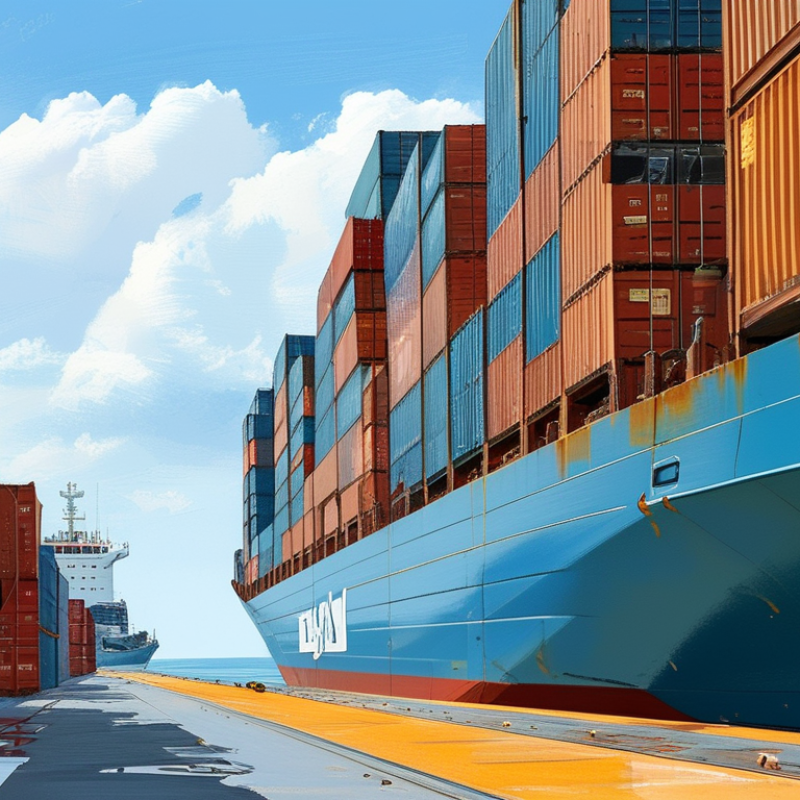
Proper container loading is key to minimizing cargo damage during ocean transit. According to industry reports, improper loading contributes to 35% of cargo loss. Ensuring an even weight distribution is crucial. Heavy items should be placed at the bottom of the container, with lighter items on top. This approach reduces shifting, which can cause significant damage.
Load securing is another essential practice. Using dunnage, strapping, and bracing can prevent movement during transit. A report from the International Maritime Organization states that nearly 40% of container-related incidents are due to cargo shifting. Thus, implementing robust securing methods is not just advisable; it’s necessary.
Consider also the orientation of the cargo. Containers should be loaded with understanding of how they will be transported. Sensible placement can counteract potential pressure during handling. Overloading can lead to structural failures. The quest for efficiency should not overshadow safety. Improper loading practices require reflection and adjustment in protocols to protect cargo integrity.
Proper packaging materials are crucial for ensuring cargo safety during ocean transit. According to a recent report by the International Maritime Organization, about 10% of all cargo transported by sea is damaged in transit. Many factors contribute to this issue, but improper packaging remains a key problem. Using the right materials can significantly reduce this risk.
High-quality materials like corrugated cardboard, polyvinyl chloride, and wood pallets provide added strength. Studies show that packaging can absorb shock and vibration, protecting contents from damage. A report from the Institute of Packaging Professionals highlights that 30% of cargo loss results from inadequate cushioning. Simple packaging flaws often lead to significant costs. Investing in reliable materials pays off in the long run.
Many shippers underestimate the importance of weather-resistant packaging. Ocean conditions can be unpredictable. Seawater exposure can ruin products if not properly sealed. A staggering report indicates that 7% of cargo loss is attributed to water damage alone. Using waterproof materials and ensuring proper seals is not just a recommendation—it's a necessity for cargo safety. It's essential to rethink packaging strategies to safeguard valuable shipments during transit.
Ensuring the right temperature and humidity levels during ocean transit is crucial for preventing cargo damage. Fluctuating conditions can harm sensitive goods, leading to losses. Implementing temperature and humidity monitoring systems helps track the environment inside containers. These systems provide real-time data, allowing for immediate intervention if levels become harmful.
Regular inspections of containers are also vital. They help identify any potential issues before loading. For instance, checking seals and insulation can prevent moisture ingress. Onboard climate control systems should be functional and regularly maintained to support stable conditions. However, even with precautions in place, human error remains a risk. Staff must be trained to react promptly to irregular data readings.
Documenting all conditions provides valuable insight. This can highlight recurring problems and enhance future shipping practices. Over time, a clear pattern may emerge, informing better decisions for cargo protection. Continual assessment and adaptability are necessary to safeguard cargo effectively during ocean trips. Adjusting protocols based on experiences can lead to improved outcomes.
| Tip Number | Tip Description | Recommended Temperature Range (°C) | Recommended Humidity Level (%) | Monitoring Method |
|---|---|---|---|---|
| 1 | Use temperature and humidity data loggers | -2 to 8 | 50-60 | Wireless data transmission |
| 2 | Ensure proper packaging materials are used | 5 to 25 | 30-50 | Visual inspection |
| 3 | Regularly check cargo holds for temperature and humidity | 0 to 10 | 40-60 | Manual checks with sensors |
| 4 | Schedule transit during optimal climate conditions | -5 to 5 | 40-70 | Weather monitoring systems |
| 5 | Train staff on handling and monitoring equipment | 0 to 10 | 40-60 | Training sessions |
Real-time cargo tracking has transformed how we prevent damage during ocean transit. Advanced technology plays a vital role in ensuring the safety of goods. Issues can arise, often unexpectedly. However, leveraging technology enhances visibility, making it easier to respond.
To begin with, utilizing GPS tracking systems can pinpoint cargo locations accurately. This real-time information helps logistics managers anticipate potential delays or hazards. For instance, if a storm is forecasted along a shipping route, corrective actions can be taken swiftly. Preventive measures save both time and money. Regular updates help keep all parties informed.
Another effective tip is implementing IoT devices on containers. These sensor-equipped devices monitor cargo conditions, such as temperature and humidity. Sudden changes could indicate potential damage. Being alerted allows teams to intervene before issues escalate. Relying solely on traditional methods may miss crucial data. Ignoring these advancements can lead to costly mistakes. Real-time tracking can be a game-changer in managing cargo during ocean transit.
Training and certification for crew members are crucial in ensuring cargo safety during ocean transit. Knowledge of proper handling techniques reduces the risk of damage. Crew must be trained in securing cargo properly to prevent shifting. Understanding the unique characteristics of different materials is essential. For instance, sensitive items need additional cushioning and specific stowage places.
Implementing regular drills can enhance crew performance. Real-life scenarios improve their skills in managing unexpected situations. Even experienced crew members may overlook small details, like securing straps or checking for wear. Awareness is key to preventing small mistakes that lead to significant consequences. Continuous education keeps the crew updated on best practices and emerging standards.
To minimize cargo damage, consider these tips: Always inspect containers before loading. Ensure that seals are intact and labels are readable. Utilize proper dunnage to fill voids and stabilize cargo. Remember, even a small oversight can lead to substantial losses. Continuous reflection on procedures can lead to significant improvements in cargo handling safety.
: Proper container loading minimizes cargo damage during transit, reducing loss significantly.
Improper loading is responsible for 35% of cargo loss reported in the industry.
Heavy items should be at the bottom, with lighter items on top to avoid shifting.
Use dunnage, strapping, and bracing to prevent unwanted movement during transport.
Proper orientation counters potential pressure and prevents structural failures during handling.
Fluctuating temperature and humidity can damage sensitive goods during ocean transit.
Implement monitoring systems that provide real-time data on temperature and humidity levels.
Inspections help identify potential issues, such as seal integrity, before loading occurs.
Training ensures staff can promptly react to irregular data and minimize risks.
Documenting conditions helps identify patterns, leading to better future decisions for cargo protection.
In the article "2026 Best Tips to Prevent Cargo Damage During Ocean Transit," key strategies are outlined to effectively safeguard cargo throughout its journey. A primary focus is on best practices for container loading, emphasizing the importance of arranging goods securely and evenly to minimize movement during transit. Additionally, the use of proper packaging materials plays a crucial role, ensuring that cargo is protected from environmental impacts.
Another essential aspect addressed is the monitoring and control of temperature and humidity, which is vital for sensitive items. The implementation of advanced technology, such as real-time cargo tracking systems, further enhances visibility and accountability during transportation. Finally, training and certification for crew members in safe cargo handling practices is necessary to mitigate risks. By following these comprehensive guidelines, businesses can significantly improve how to prevent cargo damage during ocean transit.

Leoti Logistics