Choosing between air freight and ocean freight can be a challenging decision for businesses. According to logistics expert Mark Johnson, "Selecting the right freight method can save time and costs." His insight emphasizes the importance of assessing specific shipping needs.
Air freight is faster and ideal for urgent shipments. It allows you to deliver goods within days. However, it can be significantly more expensive than ocean freight. On the other hand, ocean freight is cost-effective for large quantities, but it often takes weeks for delivery. Thus, understanding how to choose between air freight and ocean freight is crucial for effective supply chain management.
When evaluating your options, consider factors like delivery speed, freight costs, and cargo type. Each method has distinct benefits and drawbacks. Businesses must reflect on their priorities and shipping requirements to make an informed choice. This process can feel overwhelming, but taking the time to weigh these elements will lead to better logistical decisions.
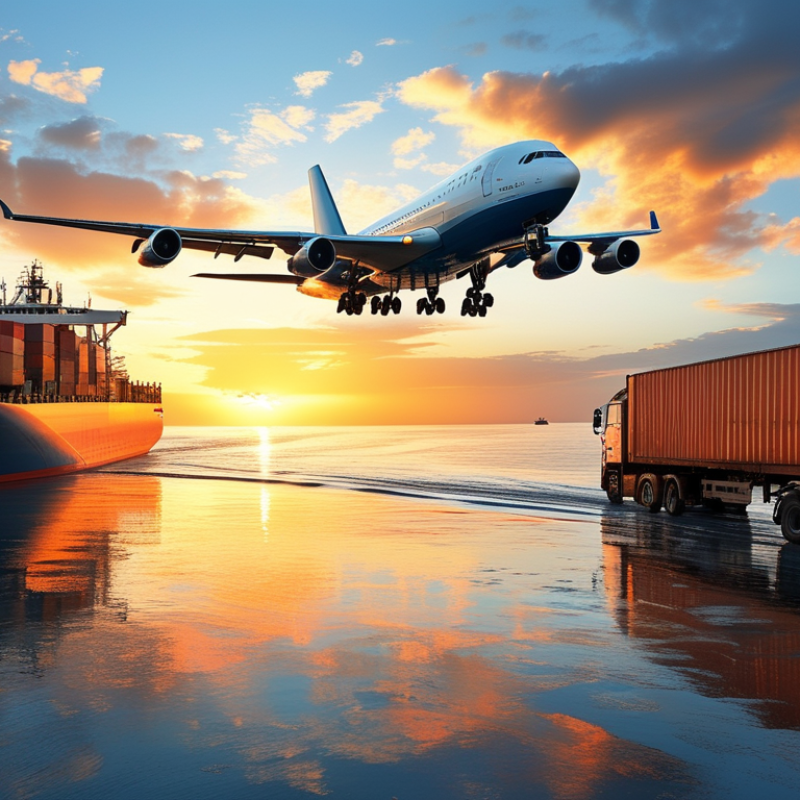
Factors to Consider When Choosing Between Air Freight and Ocean Freight
When choosing between air freight and ocean freight, several critical factors come into play. Costs are often at the forefront of decision-making. According to the International Air Transport Association, air freight can be up to six times more expensive than ocean freight. For businesses facing tight budgets, this price difference can significantly impact profitability.
Time sensitivity is another vital consideration. Air freight typically takes a few days, making it ideal for urgent deliveries. In contrast, ocean freight can take weeks, which may not align with all business needs. For instance, if a company is shipping perishables, the speed of air freight is invaluable. However, if time is not a constraint, ocean freight is more economical and environmentally friendly.
Moreover, the type and volume of goods being transported also influence the decision. For lighter and high-value items, air freight is often the preferred option. Conversely, bulk goods like machinery perform well with ocean shipping due to lower costs. Each shipping method has advantages and pitfalls, and understanding specific logistics is crucial. Addressing these factors ensures a well-informed choice that aligns with business priorities and operational efficiency.
Cost Analysis: Comparing Air Freight and Ocean Freight Pricing Structures
When comparing air freight and ocean freight pricing structures, understanding costs is essential. Air freight is generally faster but comes at a premium price. You pay for speed and convenience. Costs vary based on weight, dimensions, and destination. Expect to see significant charges for heavy or bulky items.
On the other hand, ocean freight is typically much cheaper, ideal for large shipments. However, it takes longer, and delays can occur. The pricing is influenced by container sizes and shipping routes. While it appears economical, additional costs can arise, such as port fees and customs duties. These elements can complicate your budgeting.
Assessing your needs is crucial. Timeliness can justify higher air freight costs. But if time isn't a factor, ocean freight might save you money. Reflect on your cargo type and destination. A detailed analysis often reveals hidden expenses and better options. Balancing cost and speed is key in making an informed decision.
Time Sensitivity: Determining Urgency for Delivery Needs
When deciding between air freight and ocean freight, time sensitivity plays a crucial role. According to the Freightos International Freight Index, air freight is often 5 to 10 times faster than ocean freight. For businesses with urgent delivery needs, air can mean the difference between meeting a deadline and incurring significant losses. Products with shorter shelf lives, like perishable goods, necessitate faster transport. In these cases, air freight stands out as the clear choice.
However, it’s not just about speed. Cost must also be a crucial consideration. Air freight can be up to 6 times more expensive than ocean freight. For bulky items or non-urgent shipments, ocean freight may provide a more viable solution. Additionally, factors such as weight and volume critically impact the cost. Larger shipments may not justify the high air freight fees when timelines are flexible.
Businesses must assess their unique needs. Evaluating the urgency versus budget constraints can be challenging. The decision-making process can prompt organizations to reconsider their logistics strategies. Reflecting on delivery priorities and financial implications may lead to more optimized shipping choices in the long run.
Comparison of Air Freight and Ocean Freight Based on Time Sensitivity
Cargo Type and Size: Matching Freight Mode with Shipment Requirements
When deciding between air freight and ocean freight, cargo type and size play crucial roles.
Air freight is often suitable for smaller, high-value items.
It is faster and ideal for urgent shipments, particularly when delivery is crucial.
For instance, research shows that air shipments can reach destinations up to 10 times faster than ocean transport.
However, air freight typically has weight and size limitations, which makes it less cost-effective for heavy, bulky cargo.
Conversely, ocean freight accommodates larger shipments.
It is economical for bulk commodities and oversized cargo. According to the International Maritime Organization,
shipping by sea can reduce costs significantly, particularly for goods that are not time-sensitive.
For example, a shipment weighing over 5 tons is often more affordable to transport by ocean freight.
However, transit times can extend to weeks, creating delays that businesses need to consider.
Each mode has its trade-offs, emphasizing the need for a careful assessment.
If your cargo includes perishable goods, air freight is generally preferred.
But if you are moving machinery or raw materials, ocean freight offers more viable options.
Weigh these factors to ensure a clear fit between your shipment requirements and freight mode.
Environmental Impact: Evaluating Sustainability of Freight Options
When choosing between air freight and ocean freight, the environmental impact is critical. Air freight is often faster but comes at a higher carbon cost. Planes emit significantly more greenhouse gases per ton-mile than ships. This could be a dealbreaker for companies prioritizing sustainability.
Ocean freight offers a more eco-friendly alternative. Ships can carry large volumes, reducing the carbon footprint per unit. However, shipping delays and the effects of ocean pollution must also be considered. The fuel used in maritime transport can be heavy and polluting, especially with older vessels. Striking a balance between speed and sustainability needs reflection.
Focusing solely on cost might lead to overlooking long-term environmental consequences. Picking the right option isn't just about immediate needs. It involves assessing how each choice aligns with corporate social responsibility goals. Companies face the challenge of existing in a rapidly changing climate. The decision becomes a reflection of values and commitment to sustainability.
Best 5 Tips to Choose Between Air Freight and Ocean Freight? - Environmental Impact: Evaluating Sustainability of Freight Options
| Freight Option |
CO2 Emissions (kg per ton) |
Transit Time (days) |
Cost (per ton) |
Capacity (tons) |
| Air Freight |
500 |
1-3 |
$1500 |
15 |
| Ocean Freight |
15 |
10-30 |
$500 |
1000 |
| Train Freight |
30 |
5-10 |
$800 |
200 |
| Truck Freight |
60 |
1-7 |
$700 |
20 |
| Barge Freight |
10 |
15-45 |
$300 |
500 |
FAQS
: Air freight costs depend on weight, dimensions, and destination. Heavier or bulkier items incur significant charges.
Ocean freight is more economical for large shipments. It accommodates bulk commodities and oversized cargo.
Air freight is significantly faster, reaching destinations up to 10 times quicker than ocean transport.
Additional costs may include port fees and customs duties, complicating your budget for ocean shipments.
Air freight is preferable for smaller, high-value, or perishable items, especially when timeliness is critical.
Cargo type and size are crucial; air freight suits smaller items, while ocean freight is ideal for larger shipments.
Ocean freight has longer transit times, which can lead to delays, affecting businesses relying on timely delivery.
Yes, both air and ocean freight may have hidden expenses. A detailed analysis often reveals better options.
Consider your cargo type, size, urgency, and potential hidden costs for an informed decision.
Yes, each mode has trade-offs; balance cost and speed to match shipment requirements effectively.
Conclusion
When considering how to choose between air freight and ocean freight, several essential factors come into play. Firstly, a cost analysis is critical as air freight generally incurs higher pricing, while ocean freight may offer more economical options for larger shipments. Time sensitivity is another key consideration; if urgent delivery is required, air freight is the preferable choice due to its faster transit times.
Additionally, the type and size of the cargo significantly influence the decision. Certain goods may be more suitable for one mode over the other based on their dimensions and nature. Lastly, evaluating the environmental impact of each freight option can guide businesses towards more sustainable practices. By reflecting on these factors, shippers can make informed decisions tailored to their specific needs.

 Leoti Logistics