Choosing a China air freight agent can feel simple until a shipment misses its connection. Then, small details become expensive problems. How does a buyer separate a dependable partner from a polished website?
This guide explains how to find a reliable air freight agent in china through practical checks, not attractive promises. Brandon Fried, Executive Director of the Airforwarders Association, says, “Trust is earned through transparency, especially when transportation becomes unpredictable.” That principle matters in China’s busy logistics hubs, including Shenzhen, Shanghai, Guangzhou, and Zhengzhou.
A reliable agent should explain the complete route, airline options, transit time, customs responsibilities, and every fee. Ask for a written quotation. It should identify fuel surcharges, handling costs, documentation fees, and possible storage charges. Vague pricing deserves caution.
Check the agent’s company registration, industry memberships, operating history, and relevant air cargo credentials. Request recent customer references from similar industries. Confirm that the agent uses compliant shipping procedures and handles only lawful, properly documented cargo. Ask who answers after office hours.
Experience is visible in details. Can the agent provide a warehouse receiving address? Can they explain what happens after a flight delay? Do tracking updates show meaningful milestones, or only generic scans?
A few warning signs remain easy to miss. Some quotes look cheap because important charges appear later. Some promised delivery times ignore weekends, inspections, or airline capacity. I have also seen buyers trust fast replies too much.
That is a mistake.
Reliability requires evidence, patience, and uncomfortable questions. This article’s outline focuses on those questions, helping importers compare Chinese air freight agents with greater confidence and fewer surprises.
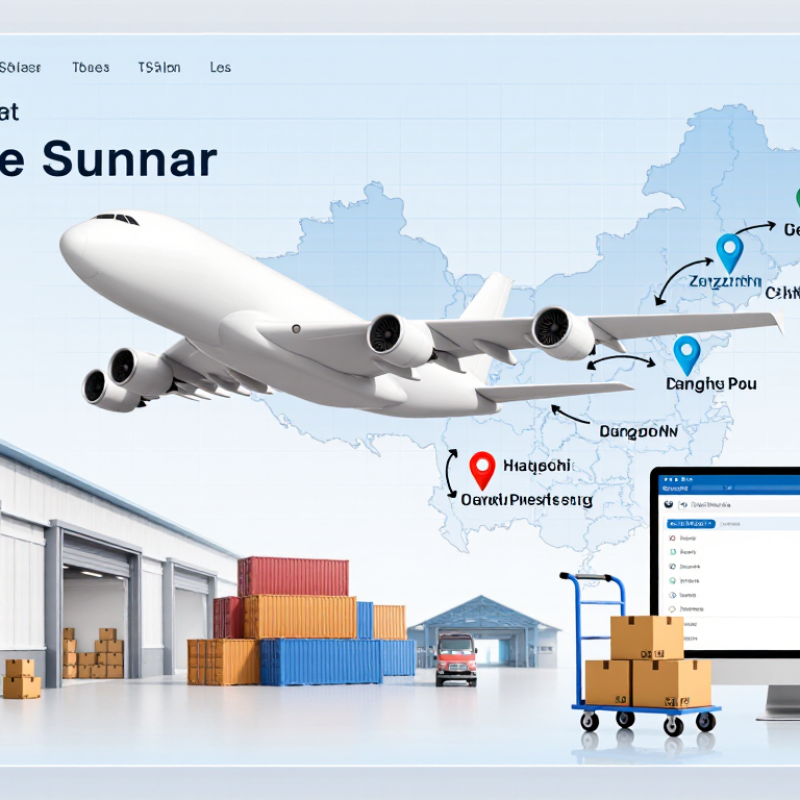
China air freight agents connect exporters with airlines, airports, warehouses, and customs service providers. They arrange cargo pickup, flight bookings, export documentation, packing checks, and shipment tracking. Some also manage consolidation for smaller shipments. Their work can save time when airport procedures feel confusing.
A reliable agent should explain every charge before booking. Ask for a written quotation showing freight fees, handling costs, fuel surcharges, storage charges, and possible document fees. Experienced agents can recommend suitable routes, cargo preparation, and delivery terms. They should also confirm weight, dimensions, pickup timing, and destination requirements. I have learned that fast replies do not always mean dependable service. Clear records matter more.
Tips: Request proof of relevant business qualifications and recent customer references. Check whether the agent provides a real warehouse address and a reachable operations contact. Ask how delays, damaged cartons, or flight changes are handled. Tracking should show meaningful updates, not only “in transit.” Keep copies of invoices, packing lists, and shipping instructions. A small trial shipment may reveal weak communication before larger cargo is booked. Mistakes can still happen, especially with measurements, so verify the final cargo details yourself.
An agent connects exporters with airlines, airports, warehouses, and customs service providers. Services may include cargo pickup, flight booking, documentation, packing checks, and tracking.
Local teams understand export procedures, airport cut-off times, and regional trucking conditions. They can inspect cartons and solve communication problems more quickly.
Request freight, handling, fuel, storage, and document charges in writing. Ask whether the quote includes pickup and airport delivery. Hidden costs create avoidable stress.
Request business qualification records and recent customer references. Confirm a real warehouse address and a reachable operations contact. Fast replies alone prove little.
Verify carton count, weight, dimensions, pickup time, and destination requirements. Check volumetric weight calculations carefully. Small measurement errors can change the final price.
Tracking should show useful milestones, such as pickup, warehouse arrival, departure, and customs progress. “In transit” alone is too vague. Updates should be meaningful.
Ask for the handling process before booking. Confirm who contacts the airline, warehouse, and delivery partner. Request written updates and keep every related record.
A small shipment can test communication, timing, tracking, and document accuracy. It may reveal weak service before larger cargo is booked. Small trials help.
No space should be treated as confirmed without final cargo details and written airline information. Request route, rate validity, and cut-off times. Promises can fail.
Keep invoices, packing lists, shipping instructions, quotations, and tracking records. I still double-check everything. Good records make disputes easier to review.
Finding the right China air freight agent can make international shipping more efficient, predictable, and cost-effective. These agents coordinate essential services such as cargo booking, pickup, export documentation, customs communication, warehouse handling, shipment tracking, and delivery arrangements. Choosing a China-based partner may provide better access to local carriers, airports, suppliers, and logistics resources, while also improving communication and response times during the shipping process.
To understand how to find a reliable air freight agent in china, businesses should review the agent’s industry experience, operating qualifications, service coverage, and history of handling similar shipments. It is also important to compare complete freight quotations rather than focusing only on the lowest price. Consider transit times, flight schedules, additional charges, insurance options, documentation support, communication standards, and delivery terms. A reliable agent should provide clear pricing, realistic timelines, responsive customer service, and practical solutions tailored to the shipment’s size, destination, and requirements.

 Leoti Logistics