Understanding the cost of shipping a container overseas is crucial for businesses and individuals alike. According to John Smith, an industry expert at Global Freight Solutions, "The price can vary greatly based on numerous factors." His words highlight the complexity of shipping costs.
When considering how much does it cost to ship a container overseas, various elements come into play. Freight rates, destination, container size, and seasonal demand all influence the final price. For example, a shipping container from Los Angeles to Shanghai can range from $1,000 to over $4,000.
It's essential to do thorough research. While companies provide quotes, hidden fees may emerge. Understanding these dynamics helps avoid unexpected costs. While striving for budget-friendly options, reflect on the efficiency and reliability of the chosen shipping provider. A balance between cost and service quality remains key in international shipping.
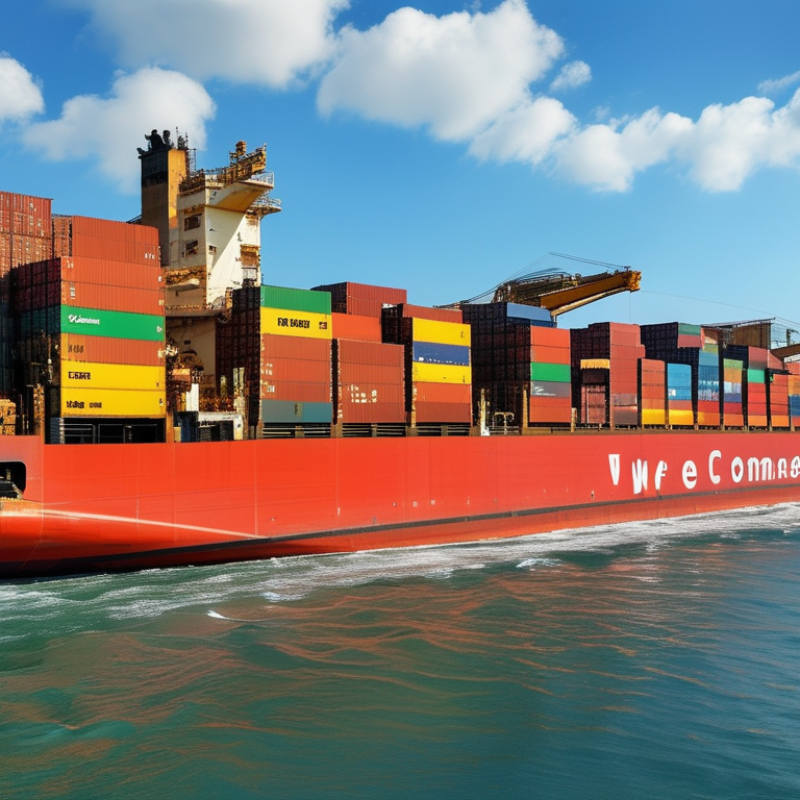
Understanding container shipping costs involves many factors that can affect the final price. Freight rates fluctuate based on distance, type of goods, and global demand. Typically, shipping a container overseas can range from a few hundred to several thousand dollars. It’s essential to analyze each element that contributes to these costs.
The size of the container plays a critical role. Standard shipping containers come in 20-foot and 40-foot sizes. A 20-foot container is often cheaper. However, the actual cost can spike due to additional fees. Terminal handling charges, customs duties, and insurance are common extras. It’s vital to consider these when budgeting.
Rates also vary by shipping lane. High-demand routes may be pricier. Unexpected events, like port congestion or natural disasters, can drive shipping costs up. Researching and comparing quotes can help navigate this complexity. There’s always uncertainty in these calculations, making it necessary to stay informed. Adjusting plans based on current trends is crucial for businesses that rely on container shipping.
| Container Size | Average Cost ($) | Shipping Duration (Days) | Destination Region |
|---|---|---|---|
| 20 ft Container | $1,200 | 20-30 | Asia |
| 40 ft Container | $2,500 | 25-40 | Europe |
| 40 ft High Cube Container | $2,800 | 30-45 | North America |
| 45 ft Container | $3,000 | 30-45 | Oceania |
| 20 ft Reefer Container | $1,500 | 20-30 | Asia |
Shipping a container overseas involves several factors that significantly influence costs. One major element is the distance between the origin and destination. Longer routes generally lead to higher expenses. Port fees also play a crucial role. Different ports have varying charges, affecting the overall costs. It's essential to research and compare these fees in advance.
Another important factor is the shipping method chosen. There are options like full container loads (FCL) and less than container loads (LCL). FCL is often more economical for larger shipments. However, LCL can be cost-effective for smaller loads. Understanding the volume and nature of your goods helps in selecting the right method, balancing efficiency with cost.
Seasonality affects shipping rates too. During peak seasons, such as holidays, rates can surge due to increased demand. Variable fuel prices also impact shipping costs. Fuel surcharges can change frequently, thus affecting the final shipping bill. Keeping an eye on market trends aids in making informed decisions about when to ship. While planning is vital, unexpected costs may arise, requiring flexibility.
When considering shipping a container overseas, understanding typical price ranges is essential. The cost can vary significantly based on several factors. Container size plays a key role, with 20-foot and 40-foot options being the most common. On average, shipping a 20-foot container can range from $1,000 to $5,000. For a 40-foot container, you might expect costs between $1,500 and $8,000.
Beyond size, the destination affects the price. Shipping to popular ports often costs less. However, remote locations may incur additional fees. Furthermore, the type of cargo also influences costs. Fragile items or perishables might require special handling, increasing your expenses. Hidden costs, like customs duties and unloading fees, can surprise shippers. It’s crucial to factor these in when calculating your total. Prices fluctuate based on market demand, fuel costs, and seasonal trends, creating unpredictability.
Understanding these variables will help you plan better. However, shipping costs can be a complex puzzle. Seek expert advice when necessary. Ignoring details can lead to budget overruns. Always double-check quotes and ensure clarity on what is included in the service. With careful planning and awareness of these price ranges, you can navigate international shipping more effectively.
When shipping a container overseas, additional fees and charges can significantly impact the total cost. These charges often catch shippers off guard, as they are not included in the initial freight quote. According to the World Bank's Logistics Performance Index, varying fees across countries can lead to substantial differences in overall shipping costs.
Terminal handling charges, for example, can range from $100 to $300 per container. This fee is imposed for loading and unloading containers at ports. Customs clearance fees may also apply, averaging around $150 to $300, depending on the destination and the complexity of the shipment. Additional fees such as surge pricing during peak seasons can increase costs significantly, sometimes by 20% or more.
Moreover, unexpected surcharges may arise due to fluctuating fuel prices or port congestion. The American Association of Port Authorities reported that as global shipping demand rises, these additional expenses could become even more unpredictable. Shippers often do not account for these variables, leading to budget overruns and logistical challenges. It's crucial to monitor these potential charges regularly to secure a reliable shipping plan.
When it comes to shipping containers overseas, several options cater to different needs. These include Full Container Load (FCL) and Less than Container Load (LCL). FCL is ideal for those who have enough goods to fill an entire container. It often provides better rates per unit due to economies of scale. However, if you don’t have sufficient volume, LCL can significantly reduce costs. You pay only for the space you use.
The costs for these shipping methods can fluctuate. FCL shipping typically ranges from $1,000 to $5,000 depending on size and destination. LCL might cost $250 to $1,200 per cubic meter. Transit time is another consideration. While FCL is faster since you book the entire container, LCL may take longer. The need to consolidate goods can delay transit. Additionally, there are hidden costs in customs clearance, port fees, and insurance.
Understanding your specific needs can help in making the right choice, but it’s essential to expect variations in pricing. You might find unexpected charges along the way. Research is crucial to avoid pitfalls. Familiarity with different shipping options empowers you to plan better, even if the system is complex and sometimes opaque.
: Several factors include distance, type of goods, and global demand. These can all affect final prices.
Container sizes, like 20-foot and 40-foot, impact costs. A 20-foot container is typically cheaper but may include extra fees.
Terminal handling charges, customs duties, and insurance can add to costs. These should be included in your budget.
Rates vary by shipping lane. High-demand routes tend to be more expensive. Unexpected events can also raise costs.
FCL (full container loads) is cost-effective for larger shipments. LCL (less than container loads) is better for smaller shipments.
Shipping rates can increase during peak seasons, like holidays. Demand surges cause higher prices, requiring awareness and planning.
Different ports have varying charges, impacting overall shipping costs. Research these fees in advance to save money.
Variable fuel prices lead to fluctuating fuel surcharges. Monitoring these trends can help you make informed shipping decisions.
Always account for potential unexpected costs. Flexibility is crucial for adapting to changing situations.
Research and compare quotes regularly. Staying informed helps in adjusting plans based on current trends and reducing costs.
When considering how much does it cost to ship a container overseas, it's essential to understand the various factors that influence shipping expenses. These include the size and weight of the container, the distance between ports, and fluctuating fuel prices. Additionally, shipping routes and seasonal demand can significantly affect pricing.
Typically, the price ranges for container shipments vary based on these factors, with added fees such as customs duties, port charges, and insurance potentially increasing the overall cost. It's also crucial to compare different shipping options, as variations in service speed and reliability can lead to divergent costs. By evaluating these aspects, businesses and individuals can make informed decisions and effectively budget for their shipping needs.

Leoti Logistics