When a production line stops or a medical device shipment misses its connection, every hour matters. China’s emergency air charter options can provide a direct, time-sensitive route, but speed alone does not make a shipment successful. Teams must confirm the cargo’s dimensions, weight, pickup location, destination, handling needs, and delivery deadline before comparing aircraft and availability. Small details count: a crate that cannot pass through a terminal door can undo a carefully planned flight.
This guide explains how to handle emergency air charter services for urgent freight, from the first call to final delivery. It focuses on practical coordination: prepare accurate cargo details, check aircraft suitability, confirm ground transport, and keep one contact responsible for updates. A fictional composite operations expert, Elena Ward, captures the principle: “A fast aircraft helps only when the cargo, ground plan, and deadline align.” That is a useful reminder, not a guarantee. Availability, routing, weather, and handling capacity can change, and early plans sometimes need revision. Ask clear questions. Record confirmed details. Build in room for delays where possible. The aim is a safe, suitable, and dependable movement—not simply the earliest departure.
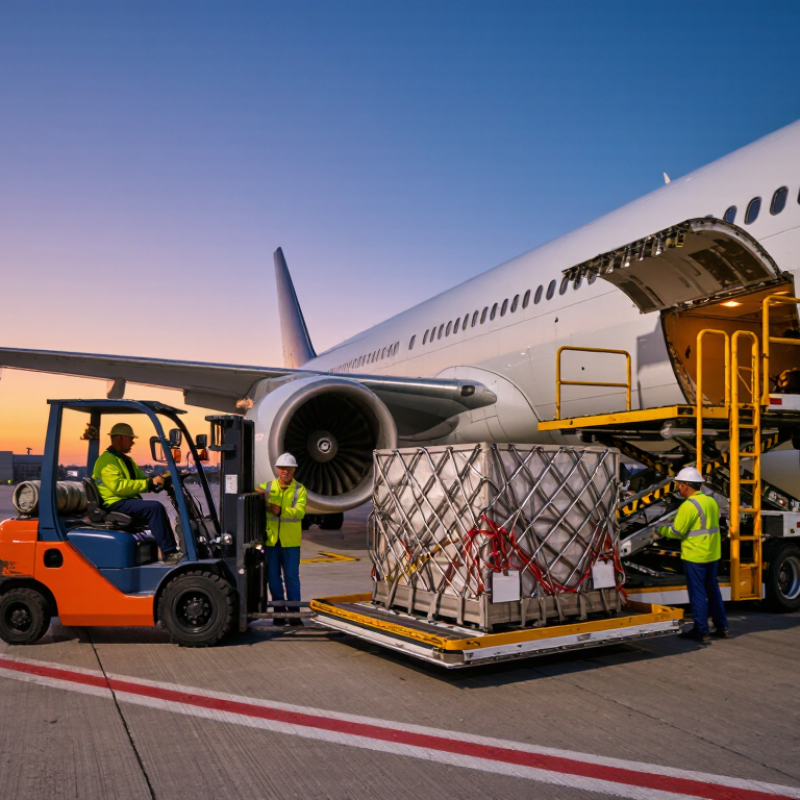
In China, emergency air charter means arranging an aircraft for freight that cannot wait for a regular scheduled service. It may suit a production line missing a critical component, or temperature-sensitive materials facing a narrow delivery window. The shipment can move from a nearby airport without waiting for space on a passenger flight. Timing still depends on aircraft availability, airport permissions, weather, and ground handling. Urgent does not mean instant.
A sound plan starts with exact cargo dimensions, weight, packing details, and collection and delivery addresses. These facts help determine the aircraft type and whether the freight can be loaded safely. The route matters too: a shipment collected inland may need a road transfer before it reaches an airport with suitable capacity. Small details count. Customs documents and handling instructions should be checked before departure, not while the cargo waits on the apron. Even careful planning has limits; a charter may cost more than expected, and tight schedules can leave little room for disruption. That trade-off deserves an honest discussion before booking. The most useful service is not simply the fastest flight, but a coordinated plan with realistic timings and clear updates at each handover.
When a machine component fails at a factory, waiting for the next scheduled departure can turn a small breakdown into lost production hours. A charter flight may provide a direct, time-specific option for urgent freight, especially when cargo is oversized or several shipments need coordinated handling. But speed depends on more than aircraft availability. Confirm the cargo’s dimensions and weight, airport handling capacity, loading equipment, and onward trucking before committing. Minutes matter.
IATA reported that global air cargo demand, measured in cargo tonne-kilometers, rose 11.3% in 2024, while capacity increased 7.4% (IATA, 2024 Annual Air Cargo Analysis). That growth shows why space and schedules can tighten, but it does not guarantee a charter will be faster on every route. Airport slots, weather, and ground handling can still cause delays.
A charter is not a magic shortcut. Build the plan around realistic cut-off times and verified operating details, not only the quoted flight time.
One uncomfortable truth: urgent freight teams sometimes choose an aircraft before checking whether the receiving site can unload it. That is worth rethinking. When comparing options, weigh the cost of delay against the charter’s full cost, including positioning, handling, and delivery after landing.
China Best Emergency Air Charter for Urgent Freight?
When a production line stops or a medical device shipment misses its planned connection, an emergency air charter may offer a faster alternative. Arranging one in China starts with clear cargo details: exact dimensions, gross weight, pickup location, delivery deadline, and handling needs. Small errors matter. A pallet measured without its overhang can change the aircraft choice.
The charter coordinator checks aircraft availability, airport access, route options, and ground transport at both ends. The shipper should also provide accurate commercial documents and confirm that the goods can be accepted for carriage and cleared through the relevant customs processes. Requirements vary by cargo and route, so documentation should be reviewed before the aircraft is committed. A late correction can cost valuable hours.
Then comes the operational plan. The team aligns pickup, warehouse handling, airport delivery, loading, and onward transport with the proposed flight schedule. Weather, airport congestion, and changing aircraft availability can still disrupt a tight timeline. No plan is perfect. Ask for realistic milestone updates, not just an estimated arrival time; even experienced teams can overlook a small handoff detail.
| Stage | What Is Arranged | Information Typically Required | Timing Consideration | Key Checks |
|---|---|---|---|---|
| 1. Urgent request | The operator or charter coordinator assesses whether a dedicated aircraft is suitable and identifies possible departure and arrival airports. | Cargo description, piece count, dimensions, gross weight, ready time, pickup location, destination, and delivery deadline. | A complete request helps shorten the quotation and feasibility review. | Confirm the freight is ready, accurately measured, and suitable for air transport. |
| 2. Aircraft and route feasibility | Aircraft capacity and cargo-door dimensions are matched to the shipment; routing may include technical stops or a different airport if needed. | Largest-piece dimensions, loading method, cargo handling needs, airport preferences, and any temperature or security requirements. | Depends on aircraft availability, payload limits, airport operating hours, and route restrictions. | Check runway and handling suitability, cargo-door clearance, payload, and ground transport access. |
| 3. Quote and confirmation | A proposed schedule and cost are reviewed, including aircraft, positioning, handling, permits where applicable, and any ground services. | Ship-from and ship-to points, service scope, cargo value where requested, and the party responsible for customs and local charges. | The offer may change if cargo details, route, availability, or operating conditions change. | Review inclusions, exclusions, cancellation terms, payment terms, and schedule assumptions. |
| 4. Flight permissions and airport coordination | Required flight plans, airport slots, handling arrangements, and applicable domestic or international approvals are coordinated. | Confirmed routing, aircraft and operator details, flight dates, airport choices, and shipment documents. | Lead time varies by route, airport, operating rights, schedule availability, and approval requirements. | Do not treat a requested departure time as confirmed until operational approvals and slots are secured. |
| 5. Cargo preparation and acceptance | Freight is packed, labeled, documented, and delivered to the agreed cargo acceptance point for screening and handling. | Commercial invoice and packing list when applicable, shipper and consignee details, handling instructions, and dangerous-goods documents if required. | Acceptance cutoffs and screening time depend on the airport, cargo type, and handling arrangements. | Declare batteries, chemicals, temperature-sensitive goods, and other regulated cargo accurately. |
| 6. Customs and cross-border formalities | For international freight, export and import declarations and any applicable inspections or permits are handled by the responsible parties. | Accurate commodity description, declared value, origin, tariff classification where available, and consignee or broker details. | Clearance time is variable and is not guaranteed by the flight schedule. | Confirm who acts as exporter, importer, and customs broker before dispatch. |
| 7. Flight, arrival, and delivery | The shipment is loaded, flown, unloaded, and transferred to the consignee or onward road transport as arranged. | Final cargo tally, arrival contact, delivery address, receiving hours, and proof-of-delivery requirements. | Actual arrival and delivery can be affected by weather, air traffic, handling, and customs clearance. | Keep a single point of contact available for status updates and exceptions. |
Planning note: This table describes a typical charter workflow, not a guaranteed schedule or quotation. Availability, approvals, costs, and transit times vary by shipment, route, airport, and operating conditions.
How to Evaluate China Air Charter Providers
For urgent freight, compare providers on operational proof, not just quoted flight time. Ask who controls the aircraft, when it can position, and whether airport handling and onward trucking are confirmed. IATA’s December 2023 Air Cargo Market Analysis reported global air cargo demand up 11.2% year on year, while capacity rose 9.7%. That tight market context makes realistic availability checks essential. A fast promise is not a confirmed slot.
Give each provider the same shipment details: piece count, dimensions, gross weight, pickup point, delivery deadline, and any temperature range. Ask for a written timeline covering collection, export handling, departure, arrival, and final delivery. Small details matter. A crate may fit the aircraft’s weight limit but fail at the cargo door. Request the aircraft type, loading method, contingency plan, and clear itemized pricing, including positioning and handling charges. Verify relevant operating approvals and cargo insurance directly; do not rely on a sales description alone.
Track communication quality during the quotation stage. Can the provider explain what happens if weather, permits, or ground handling disrupt the plan? Ask for named operational contacts and milestone updates, not vague assurances. A low quote can be tempting. I would still check exclusions and cancellation terms line by line. No checklist removes every risk, and IATA’s global figures do not predict a specific China route’s capacity. That limitation deserves attention.
Emergency air charter can move urgent freight when scheduled services cannot meet a delivery window. Yet speed has a price. Quotes may include aircraft positioning, crew duty time, airport handling, permits, fuel, and waiting charges. A low headline rate may omit ground transport or customs coordination. Ask for an itemized estimate and clarify which costs could change.
Requirements vary by route, aircraft, airport, and cargo type. Before booking, confirm dimensions, gross weight, packaging, invoices, and required export or import documents. The operator may need landing permissions and flight clearances, which take time. Build in time for screening and handover. Paperwork matters.
Risks remain, even with a dedicated aircraft. Weather, crew limits, congestion, and mechanical checks can delay departure. A charter reduces dependence on shared capacity; it does not remove uncertainty. Keep a backup delivery plan and assign one person to approve changes. Teams sometimes focus too much on airborne time. Understandable, but the warehouse cutoff may matter more. Confirm who pays for storage if freight misses it. A careful quote helps. A realistic timeline helps more.
Ask who controls the aircraft, when it can position, and whether handling and trucking are confirmed. A fast quote is not a confirmed slot.
Share the piece count, dimensions, gross weight, pickup point, deadline, and any temperature range. A wooden crate’s weight may fit, while its width may not fit the cargo door.
Request collection, export handling, departure, arrival, and final delivery milestones. Ask for named contacts and updates. Vague promises are hard to use.
Request itemized charges for positioning, crew time, fuel, permits, airport handling, waiting, and ground transport. Check exclusions and cancellation terms. Small print matters.
Requirements depend on the route, aircraft, airport, and cargo. Confirm invoices, packaging details, and export or import documents. Allow time for clearances and screening.
Weather, crew limits, airport congestion, and mechanical checks can affect departure. A dedicated aircraft reduces reliance on shared capacity, but it cannot remove uncertainty.
Ask what happens if weather or ground handling disrupts the plan. Look for clear milestone updates and a named operational contact. I would check this twice.
Assign one person to approve changes and arrange an alternate delivery plan. Confirm who pays for storage if freight misses the warehouse cutoff. That detail is easy to overlook.
Emergency air charter services provide a flexible way to move time-critical freight when scheduled flights cannot meet a deadline or accommodate the shipment’s size, route, or handling needs. In China, a charter may be considered for urgent production components, essential equipment, or other lawful commercial cargo. The decision should account for delivery deadlines, collection and delivery locations, cargo dimensions, handling requirements, and available aircraft.
Knowing how to handle emergency air charter services for urgent freight means coordinating each step carefully: confirm shipment details, compare suitable aircraft and routing options, prepare accurate documentation, and verify airport access, operating permissions, and ground transport arrangements. When evaluating providers, consider their response speed, operational experience, communication, and ability to explain the plan and costs clearly. Charter pricing can vary with aircraft availability, distance, timing, handling, and additional services. Planning for delays, weather disruptions, documentation checks, and other operational risks can help keep urgent shipments moving safely and reliably.

Leoti Logistics