Air freight rates have become increasingly volatile in 2026. The question on many minds is, "why do air freight rates change so frequently?" Industry experts highlight a combination of factors influencing this trend. Reports from the International Air Transport Association (IATA) indicate that global cargo demand fluctuated by 5% in the first half of the year. Additionally, changing fuel costs have a direct impact on shipping rates.
Disruptions in supply chains further complicate this scenario. Recent events, including geopolitical tensions and natural disasters, have led to sporadic spikes in demand. For instance, a surge in e-commerce drives air cargo volumes, but capacity can struggle to keep pace. The balance between supply and demand can shift dramatically within weeks, prompting rate changes.
Moreover, inflation rates and currency fluctuations affect pricing structures significantly. Stakeholders must navigate this challenging environment while attempting to forecast future trends. A reliable understanding of these dynamics is crucial for businesses relying on air freight services. Adapting to these changes is not just desirable; it has become essential for survival in the competitive logistics landscape.
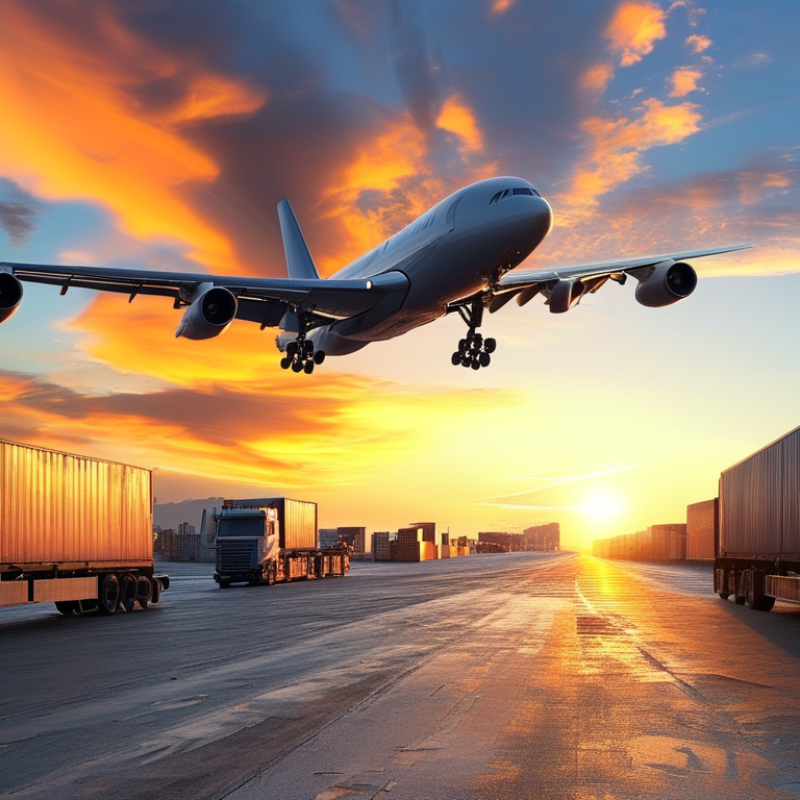
Factors Influencing Air Freight Rate Variability in 2026
Air freight rates in 2026 fluctuate due to several key factors. Economic conditions play a central role. When the economy booms, demand for air transport rises. This increase often drives up rates. Conversely, a slowdown can lead to lower rates as demand decreases. Understanding these shifts requires close attention to market trends.
Supply chain issues also influence rates. Ongoing challenges, such as capacity restrictions and labor shortages, affect availability. Airlines struggle with limited cargo space, making shipments more expensive. Additionally, geopolitical tensions or natural disasters can impact routes and timelines. These unpredictable events bring uncertainty, creating variability in pricing.
Technology is another significant factor. Innovations in logistics and digital platforms streamline operations. However, these advancements may also lead to higher initial costs. As companies invest in technology, they may pass expenses onto customers. This dynamic underscores the complexities of the air freight market. With so many influences at play, staying informed is crucial for businesses relying on air transport.
Analysis of Global Economic Trends Affecting Air Freight Costs
Air freight rates in 2026 frequently fluctuate due to several global economic trends. The International Air Transport Association (IATA) reported a 15% increase in cargo demand compared to the previous year. This surge is attributed to ongoing supply chain disruptions. Additionally, inflationary pressures continue to affect operational costs, leading to higher rates.
Fuel prices are another critical factor. According to the U.S. Energy Information Administration, jet fuel prices rose by 20% in early 2026. Carriers often pass these costs onto shippers. As economies attempt to recover, demand for fast shipping services rises, causing price volatility. Unexpected events like geopolitical tensions can drastically impact availability as well.
Tip: Monitor fuel price trends regularly. They provide insights into potential rate increases.
Labor shortages also contribute. Many freight companies struggle to hire qualified personnel, impacting efficiency. Reports indicate that staffing levels are still 10-15% below pre-pandemic numbers. Companies may need to reevaluate their logistics strategies to remain competitive amid these challenges.
Tip: Regularly review your shipping contracts. This allows for better negotiation terms when rates change.
Ultimately, businesses must stay informed. Frequent market assessments can help navigate these fluctuations effectively. This dynamic environment demands adaptability and foresight.
Impact of Supply Chain Disruptions on Air Freight Pricing
In 2026, global air freight rates are fluctuating frequently due to ongoing supply chain disruptions. Events like natural disasters, geopolitical tensions, and labor shortages continue to affect cargo availability. These factors lead to unexpected changes in demand, driving up prices. For instance, a sudden port closure can reduce shipping capacity, forcing companies to seek alternatives.
Moreover, the pandemic has left lasting scars on logistics networks. Airlines are adjusting their cargo capacities, responding to changing passenger traffic. Sometimes, they prioritize passenger flights over cargo. This shift contributes to instability in air freight pricing. Companies are now paying more attention to real-time data analysis. This ensures they make informed decisions, but many still rely on outdated methods.
Trustworthy data sources are crucial for adaptation. However, some businesses struggle with integrating new technologies. This gap often results in missed opportunities. In this rapidly evolving landscape, companies must reflect on their strategies. Air freight pricing is not just a number; it reflects the complex interplay of global events.
Role of Fuel Prices in Fluctuating Air Freight Rates
In 2026, air freight rates are highly volatile, largely due to fuel prices. The International Air Transport Association (IATA) reports that fuel costs account for about 30% of total operating costs in air cargo. When oil prices surge, carriers quickly adjust their rates to maintain profitability. Recent data shows that a 10% increase in jet fuel prices can lead to a 3-6% hike in air freight rates.
Airlines face significant pressure to pass on these costs to customers. Supply chains have become more sensitive to fluctuations. For instance, if fuel prices rise unexpectedly, businesses may experience delays in shipments. This creates a ripple effect, impacting inventory levels and delivery schedules. Industry experts suggest that shippers must remain agile to navigate these frequent rate changes.
Additionally, geopolitical tensions often influence fuel prices. Factors like sanctions or natural disasters disrupt oil supply. These events exacerbate the instability of air freight rates. Companies relying on just-in-time delivery could struggle as rates shift unpredictably. Understanding these dynamics is crucial for stakeholders in the logistics sector. Awareness of how fuel prices dictate air freight costs can lead to better strategic planning and risk management.
Effects of Seasonality and Demand Cycles on Air Freight Charges
Air freight rates can change rapidly, influenced heavily by seasonality and demand cycles. In 2026, many businesses, particularly in e-commerce, face fluctuations that disrupt costs. Reports show that peak seasons, like holiday periods, often see a surge in demand, leading to higher rates. For instance, during Q4, rates can rise by up to 45% compared to other periods.
Changes are not only seasonal. Demand cycles affect rates throughout the year. In slow periods, airlines often reduce rates to fill capacity. Conversely, as demand increases, so do prices. The relationship between supply and demand in air freight is complex. Some logistics providers have adjusted their pricing strategies to remain competitive.
**Tip: Monitor market trends**. Use data analytics to track seasonal shifts. Staying informed can help businesses plan shipments effectively.
Understanding these dynamics is crucial. When airlines struggle with capacity, rates can spike unexpectedly. Rate volatility can create challenges for budgeting.
**Tip: Build flexibility into contracts**. A flexible approach can mitigate potential cost increases. It's essential to review and adapt contracts regularly based on market conditions.
Why Do Air Freight Rates Change So Frequently in 2026? - Effects of Seasonality and Demand Cycles on Air Freight Charges
| Month |
Average Rate ($/kg) |
Demand Index (1-10) |
Seasonality Factor (%) |
| January |
5.00 |
4 |
-15 |
| February |
4.70 |
5 |
-10 |
| March |
5.20 |
6 |
0 |
| April |
5.50 |
7 |
10 |
| May |
6.00 |
8 |
15 |
| June |
6.50 |
9 |
20 |
| July |
7.00 |
10 |
25 |
| August |
6.80 |
9 |
20 |
| September |
6.30 |
8 |
15 |
| October |
5.90 |
7 |
10 |
| November |
5.40 |
5 |
-5 |
| December |
5.80 |
6 |
0 |
FAQS
: Key factors include economic conditions, supply chain issues, and technological advancements.
A booming economy raises demand for air transport, leading to higher rates. Conversely, a slowdown lowers demand and rates.
Capacity restrictions, labor shortages, and geopolitical tensions can disrupt cargo availability, causing price fluctuations.
Rising jet fuel prices, often passed onto shippers, contribute significantly to increased freight rates.
Technological advancements streamline operations but may also lead to higher initial costs for companies, impacting rates.
Staffing levels are lower than pre-pandemic numbers, affecting efficiency and increasing operational costs.
Events like natural disasters can reduce shipping capacity suddenly, driving up demand and prices significantly.
Frequent market assessments help businesses navigate fluctuations, allowing for better decision-making.
Regularly reviewing shipping contracts can lead to better negotiation terms in response to fluctuating rates.
Many still rely on outdated methods, leading to missed opportunities in a rapidly evolving air freight market.
Conclusion
In 2026, understanding why air freight rates change so frequently is crucial for businesses engaged in global trade. Several factors contribute to this variability, including the prevailing economic trends that affect demand and supply within the logistics sector. As the global economy fluctuates, so too do the costs associated with air freight, driven by changes in consumer behavior and market dynamics.
Additionally, supply chain disruptions—whether from natural disasters, geopolitical tensions, or other unforeseen events—can significantly influence pricing. Fuel prices remain a critical component, as their rise or fall directly impacts operational costs for air cargo carriers. Furthermore, seasonality and cyclical demand variations play a vital role, with specific periods seeing surges in demand that lead to increased rates. Understanding these elements is key to navigating the complexities of air freight pricing in today's fast-paced commercial environment.

 Leoti Logistics