Understanding ocean freight surcharges and fees can be complex. In 2026, shippers face a range of additional costs. These can vary greatly based on circumstances. Knowing how to calculate ocean freight surcharges and local fees is essential for budgeting.
Accuracy in calculations is crucial. Incorrect estimates can lead to financial issues. Various factors affect the final cost, including fuel prices and port fees. Each shipment can bring unique challenges that require careful analysis.
Shippers must consider both fixed and variable costs. Local fees may include handling charges or documentation fees. Each fee reflects specific services provided. A clear understanding of these elements will lead to better decision-making in logistics. Awareness of potential pitfalls in calculations can prevent unexpected expenses.
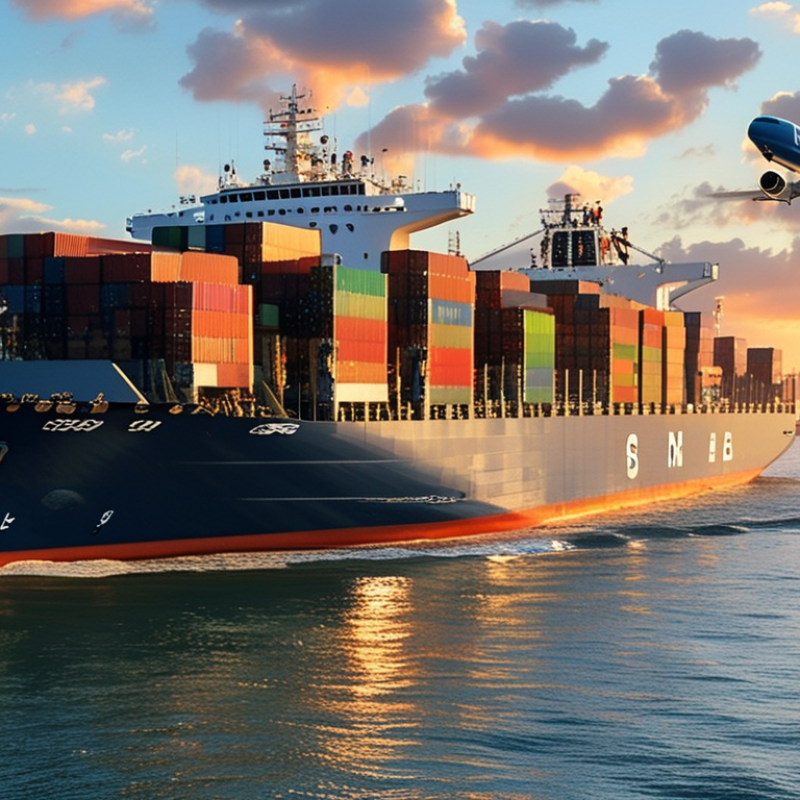
Understanding ocean freight is crucial for businesses engaged in global trade. The shipping industry involves multiple components, each with its unique terminology and processes. Key concepts include freight rates, surcharges, and the overall supply chain. Knowing these terms can save time and money. However, many shippers often overlook hidden costs.
Freight rates vary significantly, influenced by distance, cargo type, and shipping conditions. Surcharges add complexity. They may arise from fuel surcharges, congestion fees, or seasonal demand. It's essential to scrutinize these fees to avoid unexpected charges. Some companies fail to account for these additional costs, leading to surprise expenses.
Navigating the complexities of ocean freight requires careful consideration. Understanding specific terms and their implications is vital. Many shippers struggle to grasp all the intricacies. This lack of awareness can create budget overruns. Engaging with experienced logistics providers can help clarify these issues. They offer insights that are often missed in standard shipping manuals. Investing time in learning can lead to better decision-making and more efficient shipping practices.
When shipping goods internationally, understanding ocean freight surcharges and fees is crucial. These costs can significantly impact your overall shipping budget. Common surcharge types include Fuel Adjustment Factor (BAF), which fluctuates based on fuel prices. If oil prices rise, so do these fees. It's vital to monitor fuel trends to anticipate costs.
Another key fee is the Peak Season Surcharge, applied during high-demand periods. This charge can increase up to 50% during busy shipping seasons. Inadequate planning can lead to unexpected expenses. Import and export clearance fees also add to the total cost. These fees ensure your cargo meets customs regulations. Missing paperwork can result in additional charges.
Navigating through these surcharges requires attention to detail. Often, shippers may overlook specific costs, leading to budget overruns. Regularly reviewing contracts and quotes can help identify hidden fees. Transparency from the freight forwarder is essential. Building a good relationship with your provider boosts communication. Aim for clarity to avoid unpleasant surprises. Balancing these complexities is a continual learning process for shippers.
Understanding how to calculate base ocean freight rates and additional costs is crucial for any shipping process. Ocean freight rates vary based on numerous factors, including shipping distance, cargo weight, and size. The base rate serves as the foundation. It’s often determined by the shipping route and type of vessel used. A thorough market analysis can help in identifying trends affecting these rates.
Additional costs include surcharges for fuel, customs, and handling. Fuel surcharges are dynamic and influenced by global oil prices. Time sensitive shipments might incur higher fees due to increased urgency. It's essential to navigate these aspects carefully. They significantly impact the total shipping cost.
In calculating these expenses, many overlook hidden fees. Insufficient attention can lead to budget overruns. Consider consulting with industry professionals for clarity. Their insights can guide you through complex shipping regulations. This step can minimize surprises during the shipping process. Clarity in these calculations can ultimately lead to smoother logistics and cost-effective solutions.
Ocean freight surcharges are influenced by various factors in 2026. One key element is fuel prices. The International Energy Agency predicts a 20% increase in fuel costs this year. This surge directly impacts shipping companies, who pass some of these costs onto shippers through surcharges. As fuel becomes pricier, understanding how this affects overall shipping costs is essential.
Another significant factor is port congestion. Reports indicate that major shipping ports face delays due to increased shipping volume. The International Maritime Organization found that port congestion could increase costs by up to 15%. These delays not only slow down deliveries but also contribute to additional fees. Shippers will need to factor in these potential delays when budgeting for freight costs.
Environmental regulations are also shaping surcharges. The International Maritime Organization's new guidelines emphasize sustainability. Compliance often results in increased expenses for shipping companies. These extra costs may be reflected in freight rates. Therefore, shippers must remain vigilant and adaptable to the changing landscape of ocean freight. Analyzing these surcharges consistently is crucial for businesses to maintain profitability.
Managing ocean freight fees effectively is crucial for businesses engaged in international trade. Reports indicate that nearly 70% of shipping costs can be attributed to surcharges and fees. Understanding these charges can empower companies to make informed decisions.
To mitigate costs, it's essential to analyze the various surcharges. Fuel surcharges account for approximately 20% of freight charges. Regularly monitoring fuel price trends allows shippers to adjust budgets accordingly. Consider negotiating terms with freight providers. Many companies find success by discussing potential discounts based on volume or long-term commitments.
Tip: Engage in freight consolidation whenever possible. This method enables shippers to combine loads, reducing overall shipping fees significantly.
Another strategy is to maintain flexibility in shipping routes. A report from the Journal of Commerce shows that using alternative routes can lead to savings of up to 15%. This requires ongoing analysis of shipping lanes and market conditions.
Tip: Regularly review your shipping contracts for hidden fees. These can sneak up on businesses and inflate overall costs.
Understanding and managing ocean freight fees involves constant vigilance and strategic planning. Balancing these costs against potential savings is essential for sustainable growth.
: Ocean freight rates are costs associated with transporting goods by sea. They depend on factors like distance and cargo type.
Surcharges arise from factors like fuel prices and congestion fees. These additional costs can be unexpected if not accounted for properly.
Hidden costs can lead to budget overruns. Many shippers overlook these fees during planning, causing financial strain.
The base rate is influenced by shipping distance, cargo weight, and vessel type. Analyzing these can help in cost estimation.
Rising fuel prices lead to increased surcharges. Shipping companies often pass these costs on to their customers.
Port congestion can increase shipping expenses. Delays at major ports may result in additional fees and slower deliveries.
Continuous analysis of surcharges is vital. Awareness of changing costs ensures effective budgeting and decision-making.
Experienced logistics providers offer valuable insights. They can clarify complex shipping regulations and hidden costs.
Shippers should pay attention to all shipping fees. Understanding each aspect can lead to smoother logistics and lower costs.
Stricter environmental regulations can increase expenses for shipping companies, reflected in higher freight rates for shippers.
The article titled "2026 Best Guide to Calculate Ocean Freight Surcharges and Fees" provides a comprehensive overview of essential concepts related to ocean freight. It explains the various types of surcharges and fees typically encountered in ocean freight shipping, helping readers understand the intricacies involved. A significant focus is on how to calculate ocean freight surcharges and local fees, enabling businesses to accurately forecast their shipping costs.
Moreover, the article delves into the factors influencing these surcharges in 2026, including market trends and global economic conditions. It emphasizes best practices for managing and reducing ocean freight fees, ensuring that companies can optimize their shipping expenses effectively. This guide serves as a vital resource for anyone looking to navigate the complex world of ocean freight logistics.
Leoti Logistics